Navigating the complexities of environmental management can feel like a daunting task for any organization. From complying with ever-evolving regulations to safeguarding natural resources and public health, the responsibilities are significant. It requires a systematic approach to identify, evaluate, and mitigate potential environmental risks before they escalate into costly problems or even crises.

That’s where structured tools become invaluable. They offer a clear pathway through the intricate processes of environmental stewardship, ensuring nothing is overlooked. A well-designed framework can transform a reactive approach into a proactive one, helping businesses stay ahead of potential issues and demonstrating a commitment to sustainability.
Understanding Environmental Risk Assessment
Environmental risk assessment is more than just a regulatory checkbox; it’s a critical process for understanding how an organization’s activities might impact the environment and, consequently, human well-being. At its core, it involves identifying potential hazards, evaluating their likelihood and severity, and then devising strategies to control or eliminate those risks. This systematic approach allows companies to make informed decisions, allocate resources effectively, and prioritize actions that yield the greatest benefit for environmental protection. Without a thorough assessment, businesses might unknowingly expose themselves to legal liabilities, reputational damage, and operational disruptions.
The scope of environmental risk assessment can vary widely depending on the industry, location, and specific activities being conducted. For instance, a manufacturing plant might focus on chemical spills, air emissions, or wastewater discharge, while a construction project might assess soil erosion, noise pollution, or habitat disruption. Regardless of the context, the goal remains the same: to minimize adverse environmental impacts. It’s an ongoing cycle, not a one-off event, requiring regular review and updates as operations change or new information becomes available.
Engaging with stakeholders, including employees, local communities, and regulatory bodies, is also a crucial part of the process. Their insights can provide valuable perspectives on potential risks and help shape more effective mitigation strategies. A transparent and collaborative approach builds trust and ensures that the risk assessment truly reflects the diverse concerns and potential impacts associated with an organization’s environmental footprint.
The outcomes of a robust environmental risk assessment serve as the foundation for developing monitoring programs, emergency response plans, and continuous improvement initiatives. It’s about creating a clearer picture of what could go wrong, how likely it is to happen, and what the consequences might be, enabling organizations to be better prepared and more resilient in the face of environmental challenges.
Key Stages in Environmental Risk Assessment
- Hazard Identification: Pinpointing potential sources of environmental harm, such as specific chemicals, waste streams, or operational activities.
- Exposure Assessment: Determining who or what might be exposed to the identified hazards and to what extent.
- Consequence Analysis: Evaluating the potential impacts of exposure on the environment and human health.
- Risk Characterization: Combining exposure and consequence data to estimate the overall risk level.
- Risk Control and Mitigation: Developing and implementing strategies to reduce or eliminate identified risks.
How an Environmental Monitoring Risk Assessment Template Simplifies Your Process
Implementing a comprehensive environmental monitoring and risk assessment program can be resource-intensive, but an environmental monitoring risk assessment template significantly streamlines this effort. Instead of starting from scratch each time, a template provides a structured framework that guides users through every necessary step. It ensures consistency across different sites or projects, making it easier to compare data, identify trends, and demonstrate compliance to regulators or auditors. This standardization not only saves time but also reduces the likelihood of overlooking critical details that could lead to environmental incidents.
A well-designed template acts as a checklist, prompting users to consider all relevant aspects of their operations and their potential environmental interactions. It helps in documenting findings systematically, from identifying potential hazards to outlining specific monitoring parameters and proposed mitigation actions. This structured documentation is invaluable for internal record-keeping, training new personnel, and providing clear evidence of due diligence if an incident ever occurs. It transforms what could be a chaotic data collection process into an organized, actionable plan.
Furthermore, leveraging an environmental monitoring risk assessment template facilitates better communication within an organization. By standardizing the language and format used to describe risks and monitoring activities, it ensures that everyone involved, from site managers to executive leadership, has a clear and consistent understanding of environmental performance and potential liabilities. This shared understanding is vital for fostering a culture of environmental responsibility and ensuring that mitigation strategies are effectively implemented across all levels.
Ultimately, using a template empowers organizations to move beyond reactive problem-solving towards proactive environmental management. It provides the backbone for ongoing monitoring efforts, allowing for the regular review and update of assessments based on new data, changes in operations, or evolving regulatory requirements. This continuous improvement cycle is fundamental to maintaining a strong environmental performance and achieving long-term sustainability goals.
- Site Specifics: Sections for location, operational details, and environmental context.
- Potential Environmental Aspects: Clear identification of activities, products, or services that could interact with the environment.
- Monitoring Parameters: Defined metrics and methods for tracking environmental performance (e.g., water quality, air emissions, noise levels).
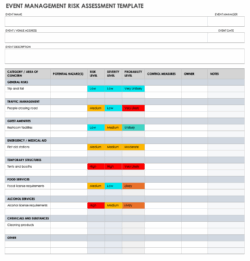
- Risk Matrix: A tool to assess the likelihood and severity of identified risks, allowing for prioritization.
- Mitigation and Control Measures: Space to outline specific actions to prevent or reduce environmental impacts.
- Responsibility and Timelines: Assigning clear roles and deadlines for implementation and review.
- Review and Revision Log: Ensuring the template is regularly updated and remains relevant.
Taking a proactive stance on environmental management is not just good practice; it’s a fundamental aspect of responsible business operations in today’s world. By systematically identifying and addressing potential environmental risks, organizations can protect their reputation, comply with regulations, and contribute positively to the health of our planet. The continuous effort put into understanding and mitigating environmental impacts ultimately builds a more resilient and sustainable future for everyone.
Embracing structured tools like a comprehensive template can significantly simplify this essential journey. It provides the clarity and organization needed to transform complex environmental challenges into manageable tasks, fostering a culture of diligent oversight and continuous improvement. The commitment to understanding and reducing environmental footprints is a powerful indicator of a company’s dedication to operational excellence and long-term societal value.