Navigating the complexities of modern business means constantly evaluating potential pitfalls. For organizations that rely heavily on their assets – whether they are physical properties, financial holdings, or critical information systems – understanding and mitigating risks isn’t just good practice; it’s absolutely essential for survival and growth. Without a clear picture of what could go wrong, even the most robust strategies can falter, leading to unexpected losses, operational disruptions, or damage to reputation.
This is where a structured approach comes into play. Proactive risk management transforms potential threats into manageable challenges, allowing you to protect your investments and ensure your operations continue smoothly. Having a reliable framework to identify, assess, and address these risks can make all the difference, providing the clarity needed to make informed decisions and safeguard your organization’s future. A well-designed asset management risk assessment template becomes an indispensable tool in this crucial endeavor.
Understanding the Core of Asset Management Risk
At its heart, asset management risk involves identifying and evaluating potential threats that could negatively impact an organization’s assets. These assets aren’t just monetary; they encompass everything from tangible properties like buildings and equipment, to intangible elements such as intellectual property, brand reputation, and even the skills of your workforce. The risks themselves are equally diverse, ranging from natural disasters and market volatility to cybersecurity breaches, operational failures, and regulatory non-compliance. Each presents a unique challenge that, if left unaddressed, can derail strategic objectives and incur significant costs.
Assessing these risks isn’t a one-time event but a continuous process that underpins effective asset stewardship. It’s about asking tough questions: What are our most critical assets? What are they vulnerable to? How likely are these vulnerabilities to be exploited, and what would be the impact if they were? A thorough assessment provides the answers, enabling businesses to prioritize resources, implement preventative measures, and develop contingency plans. This foresight is what separates resilient organizations from those constantly reacting to crises.
The value of a systematic approach cannot be overstated. Relying on ad-hoc assessments or individual judgments can lead to inconsistencies, oversights, and an incomplete picture of your risk landscape. This is precisely why an asset management risk assessment template is such a powerful tool. It provides a standardized framework, ensuring that all relevant aspects are considered, and that risks are evaluated consistently across different assets and departments. This standardization fosters a common language for risk, making communication and decision-making far more efficient.
Ultimately, a robust risk assessment process empowers you to make data-driven decisions about risk treatment. Whether you choose to avoid, reduce, transfer, or accept a particular risk, your decisions will be based on a clear understanding of the potential consequences and the effectiveness of available controls. This proactive stance not only protects your assets but also contributes to greater operational efficiency and enhanced stakeholder confidence, reinforcing the organization’s long-term sustainability.
Key Stages in a Robust Risk Assessment
A comprehensive risk assessment typically follows a logical progression, ensuring that no stone is left unturned in the pursuit of asset protection:
- Risk Identification: This initial stage involves systematically listing all potential risks that could affect your assets. It requires brainstorming, reviewing historical data, and consulting with various stakeholders to uncover a broad spectrum of threats.
- Risk Analysis: Once identified, each risk is analyzed to determine its likelihood of occurring and the potential impact it would have if it did. This often involves qualitative (e.g., low, medium, high) or quantitative (e.g., probability percentages, financial costs) evaluations.
- Risk Evaluation: Here, the analyzed risks are prioritized. This step compares the level of risk against predefined criteria to decide which risks are acceptable and which require further treatment. It helps focus attention on the most critical threats.
- Risk Treatment: For those risks deemed unacceptable, strategies are developed and implemented to mitigate, transfer, or avoid them. This could involve implementing new security measures, purchasing insurance, or altering operational procedures.
- Monitoring & Review: Risk landscapes are dynamic. This ongoing stage involves regularly reviewing the identified risks, the effectiveness of control measures, and the overall risk assessment process to ensure it remains relevant and effective over time.
Building Your Own Effective Asset Management Risk Assessment Template
While many generic risk assessment templates are available, the most effective approach often involves tailoring one to your organization’s specific needs, asset types, and operational context. A custom template becomes a living document, evolving with your business and the external environment. It reflects your unique risk appetite, regulatory obligations, and strategic priorities, ensuring that the assessment process is not just a bureaucratic exercise, but a truly valuable strategic tool that provides actionable insights.
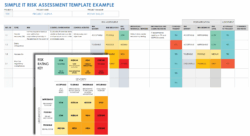
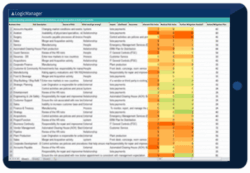
A well-constructed asset management risk assessment template should typically include several key components. For each identified asset, you’ll want sections for a clear description, potential risks associated with it, the likelihood of those risks occurring, and their potential impact (both financial and operational). Furthermore, it should account for existing control measures, the residual risk after controls are applied, and proposed mitigation strategies with assigned responsibilities and timelines. Including a review date ensures the assessment stays current.
The beauty of a template lies in its adaptability. It serves as a consistent framework, but the details within it must be customized. For instance, a template for a financial institution will emphasize market volatility and compliance risks, whereas one for a manufacturing plant might focus more on equipment failure and supply chain disruptions. Taking the time to build in these specific considerations from the outset ensures that the assessment process yields the most relevant and actionable intelligence for your particular domain.
Using an asset management risk assessment template isn’t just about filling out fields; it’s about fostering a culture of risk awareness throughout your organization. It encourages teams to think proactively about potential problems and contribute to solutions. Regular use of the template transforms risk management from an abstract concept into an integral part of daily operations, ensuring that asset protection is consistently at the forefront of decision-making.
To maximize the utility of your template, consider these practical steps:
- Define Your Assets Clearly: Start by cataloging all your significant assets, classifying them by type, value, and criticality to your operations.
- Identify Vulnerabilities and Threats: For each asset, brainstorm what could go wrong. Think about internal weaknesses and external dangers.
- Assess Likelihood and Impact: Quantify (or qualitatively rate) how likely each risk is to occur and what the consequences would be.
- Implement Control Measures: Document existing controls and propose new ones to reduce identified risks to an acceptable level.
- Regularly Review and Update: Schedule periodic reviews to ensure the template and the assessments within it remain relevant as your assets, operations, and external environment change.
Embracing a systematic approach to asset risk management is more than just compliance; it’s a fundamental aspect of sound business stewardship. By diligently identifying, analyzing, and mitigating potential threats to your valuable assets, you build a foundation of resilience that can withstand unforeseen challenges and support sustainable growth. This ongoing vigilance ensures that your investments are protected and your strategic objectives remain achievable.
Ultimately, maintaining a proactive stance on risk means cultivating a business environment where potential problems are anticipated and addressed before they escalate. It fosters a culture of preparedness, allowing your organization to adapt quickly to changing circumstances and seize opportunities with greater confidence. This commitment to continuous improvement in asset protection is a key differentiator for successful enterprises in today’s dynamic global landscape.