Navigating the unpredictable world of business means being prepared for anything. From cyber attacks to natural disasters or even just a major equipment failure, an unexpected event can bring your operations to a grinding halt. That’s why understanding your vulnerabilities and having a clear plan to bounce back is not just good practice, it’s essential for survival. It’s about building resilience into the very fabric of your organization, ensuring that when the unthinkable happens, you’re not caught off guard.
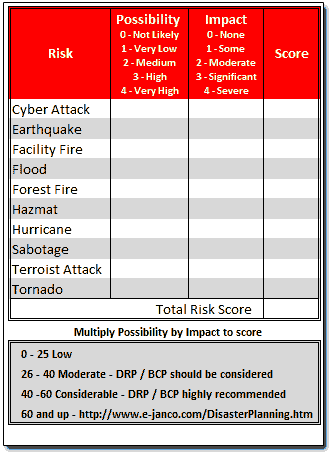
A comprehensive risk assessment is the cornerstone of any effective disaster recovery strategy. It helps you identify potential threats, evaluate their impact, and prioritize your responses. But let’s be honest, starting from scratch can feel overwhelming. That’s where a well-designed disaster recovery risk assessment template comes in, providing a structured framework to guide you through this critical process, making sure no stone is left unturned. It transforms a complex task into a manageable series of steps, ensuring you build a robust plan that truly protects your assets and your future.
The Foundation of Resilience: What Goes Into Your Template
When you’re building out your strategy for continuity, a disaster recovery risk assessment template isn’t just a document; it’s a living tool that helps you map out your organizational weaknesses and strengths against potential disruptions. It guides you through a systematic examination of everything that could possibly go wrong, from minor service interruptions to catastrophic events that threaten your entire operation. Think of it as your business’s health check, specifically tailored for unexpected crises.
The first step in leveraging such a template is often a thorough inventory of your assets. This isn’t just about servers and software; it includes critical data, intellectual property, key personnel, physical locations, and even your brand reputation. Each asset needs to be clearly defined, along with its importance to your core business functions. Once you know what you need to protect, the template then prompts you to identify potential threats that could impact these assets. These threats can be broad categories like environmental, technical, human, or malicious, and each will have specific scenarios you need to consider.
After identifying threats, the template then leads you to assess vulnerabilities – those weaknesses in your current systems or processes that could be exploited by a threat. For example, an outdated firewall might be a vulnerability to a cyberattack threat, or a single point of failure in your power supply could be a vulnerability to a utility outage. By systematically listing these, you start to see where your defenses might be lacking and where immediate improvements are necessary. This comprehensive approach ensures you’re not just guessing but making informed decisions based on a clear understanding of your current state.
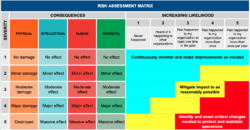
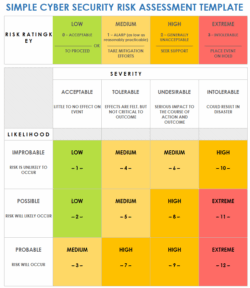
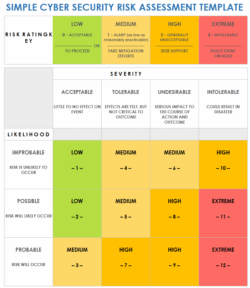
Finally, the template helps you quantify the risk by evaluating the likelihood of each threat occurring and the potential impact if it does. This isn’t about fear-mongering; it’s about practical evaluation. Assigning a numerical or qualitative value to both likelihood and impact allows you to prioritize risks, focusing your resources on those that pose the greatest danger to your business. This critical step enables you to allocate your budget and effort effectively, ensuring that your disaster recovery plan addresses the most pressing concerns first.
Key Sections to Structure Your Assessment
- Asset Inventory and Valuation: Documenting all critical assets and their worth.
- Threat Identification: Listing all potential sources of harm (e.g., cyber, natural, human error).
- Vulnerability Analysis: Pinpointing weaknesses that threats could exploit.
- Impact Assessment: Evaluating the consequences of a threat materializing (financial, operational, reputational).
- Likelihood Determination: Estimating the probability of each threat occurring.
- Risk Matrix and Prioritization: Combining impact and likelihood to rank risks.
- Mitigation Strategies: Outlining specific actions to reduce or eliminate risks.
Putting Your Template into Action for Business Continuity
Having a disaster recovery risk assessment template is one thing; actively using it to fortify your business against future disruptions is another. The true power of this tool lies in its application, transforming theoretical risks into actionable plans. This isn’t a one-time exercise you complete and then shelve; it’s an ongoing commitment to safeguarding your operations and ensuring that your business can weather any storm. Regular engagement with your template allows you to adapt to new threats and evolving business landscapes.
The process of putting your template into action often begins with forming a dedicated team. This team should represent various departments within your organization, bringing diverse perspectives on critical assets, potential threats, and operational dependencies. Their collective input will ensure that the risk assessment is thorough and reflects the nuances of your entire business. Each member can contribute their unique insights into vulnerabilities specific to their area, enriching the overall understanding of your risk profile.
Once the assessment is complete, the next crucial step is to develop concrete mitigation strategies for each identified risk. For high-priority risks, these strategies might involve implementing new technologies, updating security protocols, training staff, or establishing redundant systems. The template helps you document these strategies, assign responsibilities, and set timelines for implementation. Without these detailed action plans, your assessment remains just a list of problems without solutions.
Finally, effective utilization of your disaster recovery risk assessment template involves regular review and updates. Your business environment is constantly changing, with new technologies introducing new risks, and old threats evolving. Therefore, it’s vital to revisit your template periodically – perhaps annually, or after any significant organizational change – to ensure it remains current and relevant. This ongoing evaluation allows you to continuously refine your disaster recovery plan, keeping it sharp and ready for whatever comes next.
- Assemble a cross-functional team to conduct the assessment.
- Thoroughly document all findings and proposed mitigation strategies.
- Implement the identified risk reduction measures and contingency plans.
- Regularly review and update the assessment to reflect changes in your business and the threat landscape.
- Conduct periodic drills and tests of your disaster recovery plan to validate its effectiveness.
Embracing a proactive approach to disaster recovery isn’t merely about avoiding potential losses; it’s about building a more resilient, reliable, and ultimately more successful business. By systematically identifying and addressing risks before they escalate, you instill confidence in your stakeholders and demonstrate a commitment to operational excellence. This careful preparation allows you to focus on growth and innovation, knowing that you have a robust safety net in place for when the unexpected occurs.
The journey of ensuring business continuity is an ongoing one, requiring vigilance and adaptability. Regular reassessment of your vulnerabilities and continuous refinement of your plans are vital steps in maintaining a strong defense against future disruptions. This dedication to preparedness not only protects your assets but also strengthens your organization’s ability to navigate challenges and emerge even stronger.