Navigating the complexities of a construction site can sometimes feel like solving a giant puzzle, where every piece represents a potential hazard. From heavy machinery to working at heights, the risks are abundant and ever-present. Ensuring the safety of your team and compliance with regulations isn’t just a good practice; it’s an absolute necessity. That’s where a clear, structured approach to identifying and mitigating these dangers becomes your most valuable tool.
Imagine having a roadmap that guides you through every corner of your project, pointing out what could go wrong and, more importantly, how to prevent it. This isn’t just wishful thinking; it’s the power of a well-executed risk assessment. It allows you to proactively address potential issues before they escalate, protecting lives, saving time, and avoiding costly setbacks. But how do you create such a comprehensive plan without getting bogged down in endless paperwork?
Understanding the Core of Risk Assessment on Construction Sites
At its heart, a construction site risk assessment is a systematic process designed to identify hazards and evaluate the risks associated with those hazards. It’s about looking at your workplace, understanding what could cause harm to people, and deciding whether you’ve taken reasonable steps to prevent that harm. This proactive approach is fundamental to creating a safe working environment and meeting legal obligations. Without a solid understanding of potential dangers, even the most experienced teams can face unexpected challenges.
The process typically involves several key stages, each building on the last to form a comprehensive safety strategy. These stages help you move from simply noticing a potential problem to implementing effective controls. Many companies find that having a consistent framework simplifies this often daunting task. This is precisely why a dedicated construction site risk assessment template can be so incredibly helpful, providing a repeatable and thorough method for evaluating project-specific risks.
Key Elements a Robust Construction Risk Assessment Should Cover
To ensure your risk assessment is truly effective, it needs to be thorough and cover all the critical bases. It’s not enough to simply list a few obvious dangers; you need to dig deeper and consider the full spectrum of possibilities. Thinking systematically through these elements will ensure nothing important is overlooked.
- Hazard Identification This is the starting point where you systematically look for anything that could cause harm. Think about equipment, materials, work processes, and the environment.
- Identify Who Might Be Harmed and How Consider all individuals who might be affected by the hazards, including workers, visitors, and the public, and how they might be injured or suffer ill health.
- Evaluate the Risks and Decide on Precautions Assess the likelihood of harm occurring and the severity of that harm. Then, determine what control measures are already in place and what additional steps are needed.
- Record Your Findings It’s crucial to document what you’ve found and what actions you’ve decided to take. This record serves as proof that you’ve thought about the risks and implemented controls.
- Review and Update Regularly Risks can change as a project progresses, so your assessment should be reviewed periodically and updated whenever there are significant changes.
By integrating these elements into a structured format, you ensure that every part of your project undergoes proper scrutiny. A well-designed construction site risk assessment template streamlines this entire process, making it easier to consistently apply best practices across all your sites, regardless of their size or complexity. It helps translate abstract safety principles into actionable steps that everyone can understand and follow.
Crafting Your Own Effective Construction Site Risk Assessment Template
Developing a custom construction site risk assessment template might seem like a large undertaking, but it’s an investment that pays dividends in safety and efficiency. Rather than starting from scratch every time you begin a new project, a template provides a consistent framework. This not only saves valuable time but also ensures that no critical steps or considerations are missed, helping you maintain a high standard of safety across all your operations.
The beauty of a template lies in its adaptability. While it provides a standardized structure, it should also offer enough flexibility to be tailored to the unique conditions of each construction site. Every project has its own set of challenges, from varying ground conditions to different types of machinery and work sequences. A good template allows you to address these specific nuances without having to reinvent the wheel for every assessment.
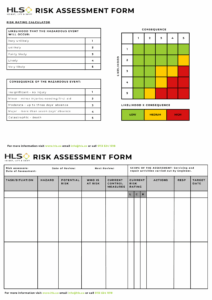
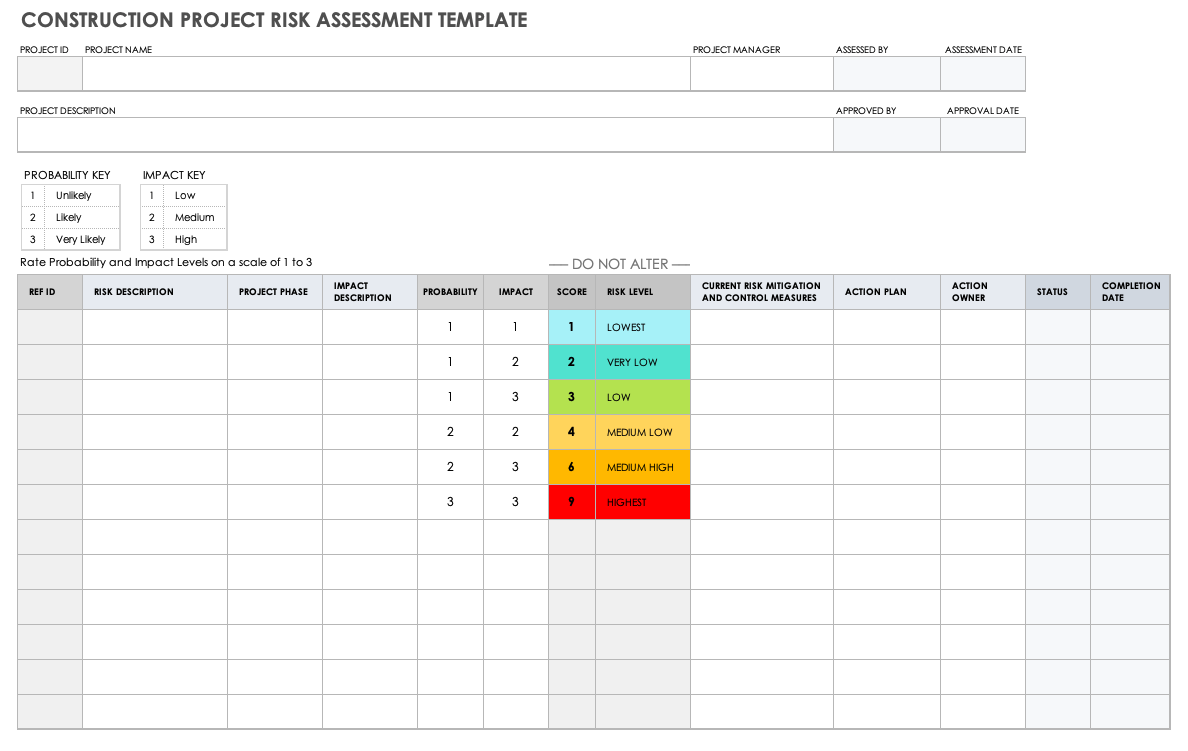
To truly make your template effective, consider including specific sections that guide the user through the risk assessment process step by step. This ensures thoroughness and clarity, making it easier for site managers and safety officers to complete accurately. Think about what information is absolutely essential for a comprehensive evaluation.
- Project Details Site name, project manager, date of assessment, and review dates.
- Hazard Category List Common hazards such as working at height, excavation, confined spaces, electrical, machinery, and manual handling.
- Risk Rating Matrix A simple system to rate likelihood and severity (e.g., low, medium, high) to prioritize risks.
- Existing Control Measures What safety measures are already in place?
- Additional Control Measures What further actions are needed to reduce the risk?
- Responsible Person and Deadline Who is accountable for implementing the new controls and by when?
- Signatures and Review Dates Sign-off by relevant personnel and a schedule for periodic review.
Having these predefined sections ensures a holistic approach, guiding your team to think through every possible scenario. This structured methodology helps foster a proactive safety culture where potential problems are identified and managed before they can escalate into incidents, protecting both your workforce and your project’s timeline.
Implementing a standardized construction site risk assessment template across your projects significantly strengthens your safety management system. It provides a clear, consistent approach to identifying, evaluating, and controlling risks, ensuring that safety is always at the forefront of your operations. This consistency builds confidence among your workforce and demonstrates a genuine commitment to their well-being, fostering a more secure and productive work environment for everyone involved.
Taking the time to develop and implement a robust risk assessment process, supported by an effective template, is one of the smartest decisions you can make for your construction business. It’s not merely about compliance; it’s about building a culture where safety is intrinsic to every task, every decision, and every interaction on site. This proactive stance ensures that you are always prepared, always protected, and always prioritizing the welfare of your most valuable asset: your people.