Working in confined spaces presents a unique set of hazards that demand meticulous attention to safety. These aren’t just small rooms; they are areas with limited entry and exit points, not designed for continuous human occupancy, where dangerous atmospheres, engulfment risks, or other serious perils can quickly turn routine tasks into life-threatening situations. Ensuring the well-being of personnel in such environments is not merely a good practice; it is a fundamental responsibility.

This is where a systematic approach to identifying and mitigating risks becomes indispensable. By thoroughly assessing every potential danger before work begins, you can establish clear protocols, implement necessary controls, and prepare for emergencies. A well-designed confined space risk assessment template serves as your guiding framework, ensuring no critical step is overlooked and that safety remains at the forefront of every operation.
Understanding the Core Elements of Confined Space Safety
Confined spaces can be found in virtually any industry, from manufacturing and construction to utilities and agriculture. Think about tanks, silos, pits, pipes, ducts, or even crawl spaces. The defining characteristics usually involve restricted means for entry and exit, and the potential for a hazardous atmosphere, engulfment, or other physical hazards. Recognizing these spaces is the very first step toward protecting those who must enter them.
The dangers lurking within these spaces are diverse and can be incredibly severe. Atmospheric hazards like oxygen deficiency or enrichment, flammable gases, and toxic fumes are common culprits. There is also the risk of engulfment from loose materials such as grain or sand, mechanical hazards from moving parts, and even thermal stress from extreme temperatures. Without a proper assessment, these unseen threats can ambush unsuspecting workers.
Beyond the immediate physical dangers, there are significant legal and ethical obligations for employers to ensure a safe working environment. Regulations often mandate comprehensive risk assessments, permit-to-work systems, and rescue plans. Failing to adhere to these standards can result in severe penalties, not to mention the immeasurable human cost of an accident. Prioritizing safety is simply the right thing to do.
A systematic approach to safety in confined spaces is not just about ticking boxes; it is about fostering a culture of preparedness and vigilance. It involves understanding the specific tasks to be performed, the environment in which they will occur, and the people involved. Only by meticulously breaking down each element can you develop effective control measures that truly protect lives.
Key Steps in Any Confined Space Risk Assessment
- Identify the confined space and its exact boundaries.
- Thoroughly identify all potential hazards within the space.
- Evaluate the risks associated with each identified hazard.
- Develop and implement appropriate control measures to mitigate risks.
- Establish comprehensive emergency response and rescue plans.
- Ensure all personnel are adequately trained and equipped.
- Regularly review and update the assessment as conditions change.
Leveraging a Confined Space Risk Assessment Template for Efficiency
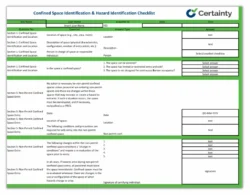
While every confined space is unique, the process of assessing its risks can be standardized to a great extent. This is precisely where a dedicated confined space risk assessment template becomes an invaluable asset. It provides a consistent framework, ensuring that all critical aspects are considered, from atmospheric testing protocols to emergency contact information, leaving no stone unturned.
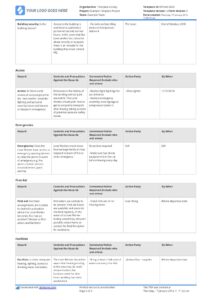
A well-structured template typically includes sections for basic information about the space and the task, a detailed checklist for hazard identification, a matrix for risk evaluation, and dedicated areas for outlining control measures, personal protective equipment requirements, and emergency procedures. It often includes spaces for signatures and dates, creating an official record of the assessment for compliance and auditing purposes.
The beauty of using a template is its ability to streamline what could otherwise be a complex and time-consuming process. Instead of starting from scratch every time, you have a pre-defined structure that prompts you to consider all necessary safety elements. This not only saves time but also significantly reduces the chance of overlooking a critical step, ensuring a higher standard of safety across all operations.
Furthermore, a template serves as an excellent training tool. It familiarizes safety officers and workers alike with the systematic approach to confined space entry, embedding best practices into the company culture. While templates provide a solid foundation, it is crucial to remember that they are living documents that must be adapted to the specific details of each unique confined space and the tasks being performed within it.
Effective safety management in confined spaces boils down to preparation, diligence, and a commitment to protecting every individual involved. By embracing a structured approach, guided by a comprehensive confined space risk assessment template, organizations can systematically address potential dangers, implement robust safety protocols, and build a safer working environment for everyone. This proactive stance ensures that operations can proceed with confidence, knowing that all reasonable measures have been taken to mitigate risk.