Navigating the complex world of banking regulations can feel like trying to solve a giant, ever-changing puzzle. With new rules emerging and existing ones evolving, financial institutions constantly face the challenge of staying compliant. This isn’t just about avoiding penalties; it’s about safeguarding your reputation, protecting your customers, and ensuring the long-term stability of your operations. It’s a crucial aspect of responsible banking that demands a proactive and structured approach.
That’s where a well-designed bank compliance risk assessment template comes in handy. Think of it as your strategic compass, guiding you through the regulatory landscape. It helps you systematically identify, evaluate, and mitigate potential compliance risks before they escalate into significant problems. Without a robust framework, institutions might inadvertently overlook critical areas, leaving themselves vulnerable to regulatory scrutiny and operational setbacks. Let’s dive deeper into why this tool is indispensable and what makes an effective template.
Why a Robust Bank Compliance Risk Assessment Template is Essential
In today’s highly regulated financial environment, a strong commitment to compliance isn’t just a recommendation; it’s a fundamental requirement. Regulators expect banks to have sophisticated systems in place to manage risks, and a compliance risk assessment is at the heart of demonstrating that commitment. This isn’t merely a tick-box exercise; it’s an ongoing process that provides a clear picture of an institution’s risk exposure and the effectiveness of its controls. It helps management make informed decisions, allocate resources appropriately, and foster a culture of compliance throughout the organization.
One of the primary benefits of utilizing a dedicated bank compliance risk assessment template is the consistency it brings to your evaluation process. Without a standardized approach, different departments or individuals might assess risks using varying criteria, leading to inconsistent results and a fragmented view of the institution’s overall risk profile. A template ensures that every relevant area is scrutinized with the same rigor, providing a comprehensive and comparable analysis across all business lines and regulatory domains. This uniformity is invaluable when presenting your risk management posture to auditors and supervisory bodies.
Driving Proactive Risk Management
Beyond consistency, a well-structured template empowers banks to move from reactive problem-solving to proactive risk management. Instead of waiting for an issue to arise, you can anticipate potential vulnerabilities and put preventative measures in place. This forward-looking approach significantly reduces the likelihood of compliance breaches, fines, and reputational damage. It allows institutions to identify emerging risks, such as those related to new technologies or evolving regulatory expectations, and address them before they become critical.
Furthermore, an effective template facilitates better communication and accountability. When risks are clearly defined, assessed, and assigned ownership, it becomes easier to track progress on mitigation efforts and ensure that responsibilities are understood. This transparency is vital for building a strong internal control environment. It fosters a shared understanding of compliance obligations and encourages all employees to play their part in maintaining regulatory adherence, contributing to a stronger, more resilient financial institution.
Key Components to Include in Your Bank Compliance Risk Assessment Template
Crafting an effective bank compliance risk assessment template involves more than just listing regulations. It requires a thoughtful integration of various elements that work together to provide a holistic view of your compliance landscape. A good template should be dynamic, allowing for regular updates as your business operations change or as new regulatory guidance emerges. It should also be scalable, capable of adapting to the size and complexity of your institution, whether you’re a small community bank or a large, multinational enterprise.
At its core, your template should meticulously map out all applicable regulations, statutes, and internal policies relevant to your bank’s operations. This includes everything from anti-money laundering (AML) and Bank Secrecy Act (BSA) requirements to consumer protection laws, data privacy regulations, and fair lending practices. For each of these areas, the template should prompt a detailed analysis of potential risks, considering both internal factors like operational processes and external factors such as economic conditions or technological advancements.
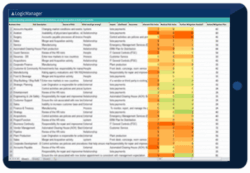
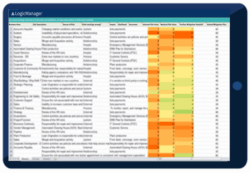
An essential part of the assessment is evaluating the inherent risk associated with each activity or product before any controls are applied. What’s the maximum potential exposure if everything goes wrong? Following this, the template should guide you in assessing the effectiveness of your existing controls. Are your policies robust? Are your training programs comprehensive? Are your monitoring systems adequate? This control effectiveness rating is crucial because it helps determine the residual risk – the risk that remains after controls are implemented.
Finally, your template should provide a clear framework for documenting findings, assigning ownership for mitigation plans, and tracking progress. This ensures that identified risks aren’t just acknowledged but are actively managed and reduced to an acceptable level. A well-designed template often includes sections for:
- Risk Identification: What are the specific compliance risks?
- Inherent Risk Rating: Assessing the risk level before controls.
- Control Effectiveness: Evaluating the strength of existing safeguards.
- Residual Risk Rating: The risk level after controls are applied.
- Mitigation Actions: Specific steps to reduce residual risk.
- Responsible Parties: Who owns the risk and the mitigation.
- Target Completion Dates: Deadlines for implementing actions.
- Monitoring & Reporting: How often will progress be reviewed?
By incorporating these elements, your bank compliance risk assessment template becomes an indispensable tool for continuous improvement and sustained regulatory compliance.
In essence, developing and regularly utilizing a comprehensive compliance risk assessment framework is not just good practice; it’s a strategic imperative for any financial institution. It transforms the daunting task of regulatory adherence into a structured, manageable process, offering clarity and control where there might otherwise be uncertainty. This methodical approach not only safeguards the bank from potential pitfalls but also builds trust among customers, investors, and regulators, solidifying its position as a reliable and responsible entity in the financial ecosystem.
The continuous refinement of your compliance processes, driven by insights from your risk assessments, positions your bank for long-term success. It fosters a culture where compliance is viewed as an integral part of business operations, rather than an external burden. By embracing this proactive stance, financial institutions can confidently navigate the ever-evolving regulatory landscape, ensuring resilience and sustainable growth in a challenging world.