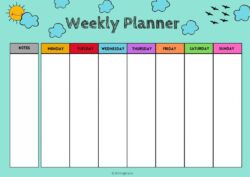
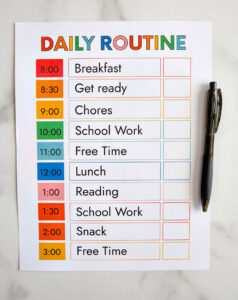
Life with kids can often feel like a delightful whirlwind, full of laughter, energy, and sometimes, a little bit of chaos. For many children, navigating their day can be challenging, especially when routines are inconsistent or when they don’t quite understand what’s coming next. This lack of predictability can lead to anxiety, meltdowns, and a general feeling of being overwhelmed, not just for the child, but for the entire family. It’s in these moments that parents often search for tools to bring a sense of order and calm to their daily lives.
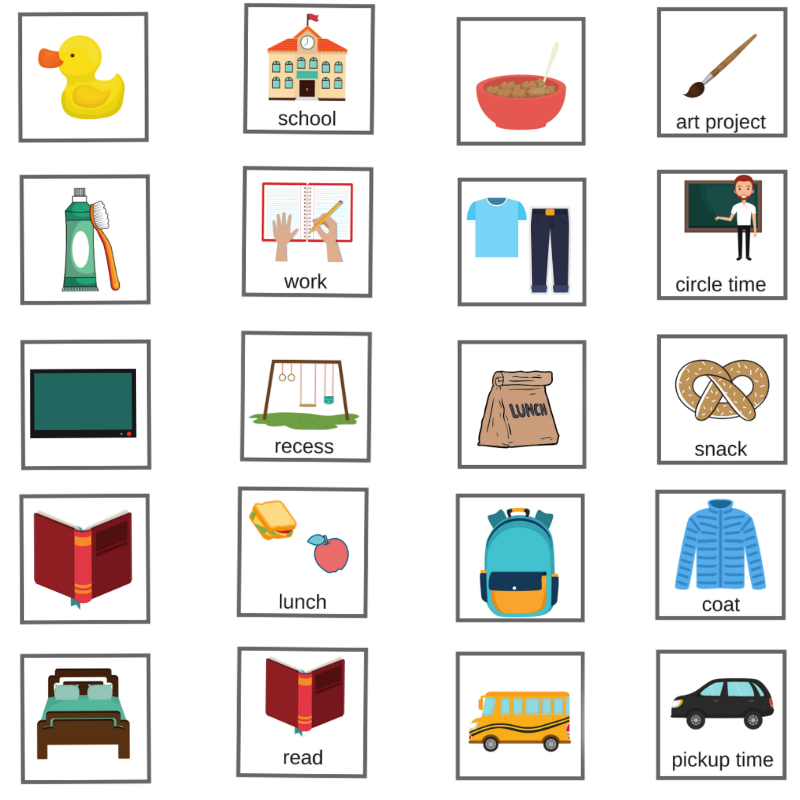
One incredibly effective tool that has helped countless families is a visual schedule. By presenting the day’s events in a clear, sequential visual format, children gain a better understanding of what to expect, promoting independence and reducing stress. While some parents might feel daunted by the idea of creating one from scratch, that’s where a well-designed visual schedule template for kids becomes an absolute lifesaver, offering a structured yet flexible starting point for building a more predictable and harmonious routine.
Why Visual Schedules Are a Game-Changer for Kids and Families
Visual schedules are more than just a list of tasks; they are powerful communication tools that bridge the gap between abstract time concepts and concrete understanding for children. They provide a predictable framework for the day, which significantly reduces anxiety in kids who thrive on routine or struggle with transitions. When a child can visually see that “first we eat breakfast, then we get dressed, and then we play,” they feel more in control and less likely to resist what’s next because they know what’s coming. This predictability fosters a sense of security and empowers them to manage their own activities, leading to greater independence.
Moreover, visual schedules are particularly beneficial for children with special needs, such as those with autism spectrum disorder, ADHD, or developmental delays, who often process information better visually than verbally. However, their benefits extend to all children, helping them develop essential executive functioning skills like planning, organization, and self-regulation. From brushing teeth to bedtime, a visual representation makes abstract ideas concrete, making daily life smoother and less prone to power struggles. Parents often report a noticeable decrease in behavioral challenges and an increase in cooperation once a visual schedule is consistently implemented.
The beauty of a well-designed visual schedule template lies in its adaptability. It’s not a one-size-fits-all solution, but rather a customizable framework that can be tailored to fit the unique needs and routines of any family. Whether you’re managing morning routines, after-school activities, or preparing for special events, a template provides the structure while allowing for personalized content. This flexibility means that as your child grows and their needs change, the schedule can evolve with them, remaining a relevant and helpful tool for years to come.
What Makes a Good Visual Schedule Template?
A truly effective visual schedule template needs to incorporate several key elements to be user-friendly and impactful. These elements ensure that the schedule is not only easy for parents to create but also clear and engaging for children.
* Clear, simple images or icons that are easily recognizable by children of various ages. Complex drawings can be confusing.
* An easy to understand sequence, usually read from left to right or top to bottom, mirroring how children typically learn to read.
* Flexibility for customization, allowing parents to easily add, remove, or change activities as routines evolve.
* Durability and reusability, especially if using a physical template. Laminated cards or sturdy materials are ideal for daily handling.
* Age-appropriateness, ensuring the visuals and complexity match the child’s developmental stage. Toddlers need simpler schedules than school-aged children.
By considering these aspects, a template becomes a powerful aid, transforming daily routines into clear, manageable steps that children can follow with confidence and independence. It takes the guesswork out of creating an effective tool and allows parents to focus on what matters most: supporting their child’s development.
Getting Started: How to Create and Implement Your Visual Schedule
Embarking on the journey of using a visual schedule for your child might seem like a big project, but with a good visual schedule template for kids, it becomes surprisingly simple and rewarding. The first step is to observe your child’s typical day and identify the key activities and transitions that make up their routine. Think about the moments where you often experience resistance, confusion, or a need for repeated verbal prompts. These are usually prime candidates for inclusion in your visual schedule. Remember, you don’t have to map out every single minute; focus on the main events and transitions that provide structure to their day.
Once you have a list of activities, you can begin populating your chosen template. Many templates come with pre-made image cards, or you can find vast libraries of icons online to print. The key is to select visuals that are clear, unambiguous, and easily understood by your child. Involve your child in this process if they are old enough; letting them choose certain pictures or help arrange the schedule can significantly increase their buy-in and sense of ownership over their day. This collaborative approach makes the schedule *their* schedule, not just another rule imposed by parents.
Here are some practical steps to implement your visual schedule effectively:
* Identify daily routines: List out morning, afternoon, and evening tasks, including play time, meals, and self-care.
* Choose appropriate visuals: Use simple, clear pictures or icons that represent each activity. Consider real photos for younger children.
* Involve your child: Let them help select visuals or arrange the schedule, fostering a sense of ownership.
* Place it prominently: Display the schedule at your child’s eye level in a high-traffic area, like the kitchen or their bedroom.
* Be consistent: Follow the schedule as much as possible, especially in the beginning, to build predictability.
* Review and adjust: Periodically check if the schedule still meets your child’s needs and make changes as they grow or routines shift.
Introducing the schedule should be a positive experience. Walk your child through it, explaining each step and celebrating their progress as they complete tasks. You can use phrases like “First, we brush our teeth, then we can check it off!” or “Look, you finished your homework, now let’s see what’s next!” This positive reinforcement helps children associate the visual schedule with accomplishment and a clear path forward. Over time, you’ll find your child referencing the schedule independently, taking pride in managing their own day.
Even with the best template and intentions, there might be bumps along the way. Some days, your child might resist following the schedule, or unforeseen events might disrupt the plan. This is where flexibility and patience come in. Instead of abandoning the schedule, acknowledge the disruption and visually adjust it if possible, showing your child that plans can change. The goal isn’t rigid adherence but rather providing a reliable framework that can adapt. Consistently using the visual schedule, even with minor tweaks, reinforces its value as a helpful tool rather than an inflexible demand.
Implementing a visual schedule is an investment in your child’s development and your family’s harmony. It’s a journey towards fostering self-reliance, reducing daily stressors, and building a foundation of predictable routines that empower children to navigate their world with greater confidence. By embracing this simple yet profound tool, you’re not just organizing tasks; you’re nurturing an independent, self-assured child ready to tackle whatever comes their way.
Ultimately, providing a clear map for the day can profoundly impact a child’s sense of security and ability to function independently. The journey from confusion to clarity is often paved with visual cues, and a structured routine helps young minds flourish. It allows parents and children alike to focus on connection and growth, rather than battling over transitions or unmet expectations.
By choosing and implementing a visual schedule template for kids, you’re giving your child a powerful tool for self-management and a clear understanding of their world. It’s a small step that yields significant returns in peace of mind for parents and a joyful sense of accomplishment for children, making daily life a much smoother and happier experience for everyone involved.