Creating an efficient and equitable schedule for elementary school specials can feel like solving a complex puzzle. You’re juggling art, music, physical education, library, and often technology or other unique offerings, all while trying to ensure every student gets a valuable experience and every teacher has the resources and time they need. It’s a crucial task that directly impacts the flow of the school day and the enrichment opportunities for young learners.

Many administrators and teachers spend countless hours annually trying to perfect this intricate dance. The good news is that you don’t have to start from scratch every time. Having a well-designed elementary school specials schedule template can significantly streamline this process, providing a clear framework that saves time, reduces stress, and ultimately creates a more harmonious learning environment for everyone involved.
Crafting a Flexible and Fair Specials Schedule
The core challenge in specials scheduling lies in balancing various moving parts. You have different grade levels, often with varying class sizes, each needing access to specialists. Then there are the specialists themselves, who might teach multiple subjects or have specific room requirements. Ensuring that no single grade level or teacher feels shortchanged, and that students receive consistent, high-quality instruction across all specials, requires careful foresight and a strategic approach.
A successful schedule aims for more than just filling time slots; it strives for equitable access for all students, minimizes disruptive transitions, and provides specials teachers with adequate prep time and a manageable workload. It’s about creating a rhythm for the school day that supports both academic learning in the classroom and the creative, physical, and intellectual development fostered by special subjects.
Key Considerations for Your Template
When you sit down to develop or refine your elementary school specials schedule template, there are several critical factors to keep in mind. Thinking through these points before you start placing classes on a grid will help you build a robust and adaptable schedule from the ground up.
- Student Grouping: Decide whether specials will be taught to whole classes, smaller differentiated groups, or a combination.
- Teacher Load: Ensure specialists have balanced teaching loads, reasonable class sizes, and dedicated planning periods, just like general education teachers.
- Facility Availability: Map out the availability of shared spaces such as the gym, art room, music room, or computer lab. Conflicts here are common and can derail a schedule quickly.
- Transition Time: Account for the time it takes for students to move between classrooms and special areas, especially for younger grades. Building in buffer time prevents delays.
- Grade-Level Needs: Consider if certain grade levels require longer or shorter special periods, or if they need specific specials at particular times of the day (e.g., PE before lunch).
- Rotational vs. Fixed: Determine if specials will run on a fixed weekly schedule or a rotating cycle (e.g., six-day rotation) which can offer more equity over time.
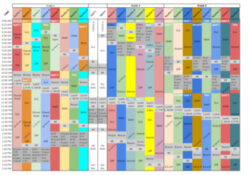
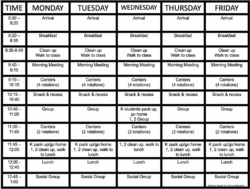
A well-thought-out elementary school specials schedule template should allow you to visualize these considerations clearly, making it easier to identify potential conflicts and optimize the flow of the school day. It becomes a living document that guides your decisions and helps you communicate your plan effectively to staff and parents.
Making Your Template Work in Practice
Once you’ve conceptualized the ideal elementary school specials schedule template, the next step is bringing it to life within your school’s unique environment. This involves more than just filling in names and times; it requires thoughtful communication, collaboration, and a willingness to adapt. The goal is to create a schedule that not only looks good on paper but functions smoothly and supportively for everyone on campus.
Implementing a new or revised specials schedule means engaging with both general education teachers and special area teachers. Their insights are invaluable, as they are the ones who will be living and teaching by the schedule every day. Presenting a clear, easy-to-understand template fosters buy-in and helps identify any unforeseen practical challenges before the school year even begins.
Using your template effectively also means being prepared for the inevitable minor adjustments. School needs change, enrollment shifts, and sometimes a brilliant idea on paper doesn’t quite translate perfectly in practice. A flexible elementary school specials schedule template allows you to make these tweaks without dismantling the entire structure, ensuring continuity and minimizing disruption.
- Start with a Draft: Don’t expect perfection on the first try. Use your template to create a draft and share it for feedback.
- Gather Feedback: Actively solicit input from all stakeholders, including general education teachers, specials teachers, and even school support staff who manage student movement.
- Be Flexible: Understand that some adjustments will be necessary. A good template should be adaptable enough to accommodate minor changes without major overhauls.
- Communicate Clearly: Once finalized, distribute the schedule widely and ensure everyone understands their role within it. Visual aids like color-coding can be very helpful.
- Review Periodically: Don’t just set it and forget it. A brief review mid-year or at the end of the year can highlight areas for future improvement.
Ultimately, a robust elementary school specials schedule template serves as a powerful tool to bring structure and intention to your school’s enrichment programs. It empowers administrators to make informed decisions, allows teachers to plan more effectively, and most importantly, ensures that every student benefits from a rich and diverse educational experience.
The thoughtful development and implementation of a specials schedule is a testament to a school’s commitment to holistic education. By providing dedicated time for art, music, physical activity, and other specialized learning, schools foster creativity, physical health, and intellectual curiosity that extends beyond the core curriculum. This integrated approach ensures that children are not only learning but also exploring their talents and developing a lifelong love for diverse subjects.
When the specials schedule runs smoothly, the entire school benefits from a calmer, more organized atmosphere, allowing both students and staff to thrive. It’s an investment in the overall well-being and comprehensive development of every child, creating a vibrant and engaging educational journey for all.