Organizing a local softball league brings a ton of fun and community spirit, but anyone who has taken on the role of a league organizer knows it also comes with its fair share of challenges. One of the biggest hurdles, especially for smaller leagues, is creating a fair and functional game schedule. When you have an odd number of teams, like five, it can feel like you are solving a complex puzzle just to get everyone on the field.

That is precisely where a solid 5 team softball schedule template becomes your best friend. A well-designed schedule is not just about knowing when and where to play; it is about ensuring equity for all teams, minimizing conflicts, and providing clear communication to players, coaches, and even families. It takes the guesswork out of game planning and lets everyone focus on enjoying the spirit of the game.
Creating Your 5 Team Softball Schedule: The Round-Robin Approach
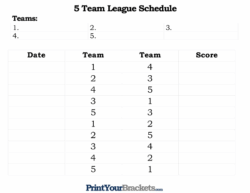
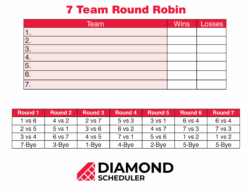
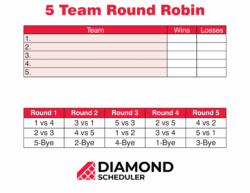
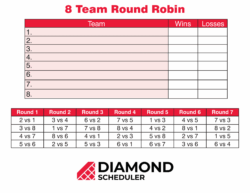
When dealing with five teams, the round-robin format is almost always the go-to solution for ensuring fairness and balanced play. In a round-robin, every team plays every other team at least once, guaranteeing that no single team gets an easier or harder path based purely on who they match up against. The unique aspect of a five-team league, however, is the need to incorporate a "bye" week or "bye" slot into each round, as you cannot perfectly pair up an odd number of teams.
The beauty of a 5 team softball schedule template using a round-robin is its elegant simplicity once you understand the core mechanics. You can visualize it by keeping one team stationary and rotating the others. For example, let’s say Team 1 is stationary. In the first round, they play Team 2. Then the remaining teams (3, 4, 5) need to be paired. One team will always be left out to have the bye. This ensures that across all rounds, each team will eventually play every other team, and each team will also get their fair share of bye weeks.
You will typically design the schedule for a single round-robin, meaning each team plays every other team once. If you want a longer season, you simply repeat the cycle for a double or triple round-robin, ensuring that each team plays every other team two or three times, respectively. This method scales easily and keeps the structure consistent, reducing the chances of scheduling errors as the season progresses.
Consider not just who plays who, but also when and where. Do you have multiple fields available? Are there specific time slots that work better for most teams? Incorporating these practical elements into your schedule from the outset, rather than trying to shoehorn them in later, will save you a lot of headaches and keep the season running smoothly for everyone involved.
A Simple 5 Team Round-Robin Example
- Round 1: Team 1 vs Team 2, Team 3 vs Team 4, Team 5 (Bye)
- Round 2: Team 5 vs Team 1, Team 2 vs Team 3, Team 4 (Bye)
- Round 3: Team 4 vs Team 5, Team 1 vs Team 3, Team 2 (Bye)
- Round 4: Team 3 vs Team 5, Team 4 vs Team 1, Team 2 (Bye)
- Round 5: Team 2 vs Team 5, Team 3 vs Team 4, Team 1 (Bye)
This basic structure completes one full cycle. For a double round-robin, you simply repeat these five rounds again.
Customizing and Managing Your Softball Season with Ease
While the core matchups are crucial, a truly effective 5 team softball schedule template goes beyond just pairing teams. It needs to be a comprehensive document that serves as the central hub for all game-related information. Think about all the little details that can make or break a game day experience: specific field numbers, exact start times, and even who is umpiring each match. Including these elements directly in your template ensures that everyone has access to the full picture from day one.
Modern scheduling also benefits greatly from digital tools. While a printable template is excellent for quick reference, using a spreadsheet program like Excel or Google Sheets allows for dynamic adjustments. You can easily add columns for scores, reschedule games with a few clicks, and even set up conditional formatting to highlight important dates. This flexibility is invaluable when rainouts occur or last-minute changes are needed, saving organizers a significant amount of time and effort.
Another key aspect of managing your season is planning for potential disruptions and special events. Will there be a mid-season break for a holiday? Are you planning a playoff round after the regular season? These elements should be mapped out from the beginning. A robust schedule template can even include placeholders for these events, ensuring that the entire season, from first pitch to championship game, is accounted for.
Communication is paramount. Once your schedule is finalized, how will you disseminate it? Emailing the entire league, creating a dedicated webpage, or even printing copies for team managers are all effective strategies. The clearer and more accessible your schedule is, the fewer questions and confusions you will encounter throughout the season. Make it easy for everyone to find the information they need, when they need it.
Key Customization Points for Your Template
- **Game Dates and Times:** Be precise to avoid any ambiguity.
- **Field Locations:** If using multiple fields, specify which one for each game.
- **Umpire Assignments:** Include umpire names or slots for assignment.
- **Team Contact Information:** Quick reference for coaches and managers.
- **Score Tracking Columns:** Make it easy to record and update game results.
- **Notes Section:** For special rules, reminders, or rainout procedures.
By integrating these practical details, your schedule transforms from a simple list of games into a powerful organizational tool that supports a smooth and enjoyable softball season for everyone involved.
A well-structured game plan is the backbone of any successful softball season. It not only ensures fair play and reduces logistical headaches but also fosters a sense of professionalism and organization within the league. Taking the time upfront to develop a clear and comprehensive schedule pays dividends in terms of participant satisfaction and overall enjoyment.
Ultimately, whether you are running a casual friendly league or a competitive community tournament, having a reliable framework in place makes all the difference. Equip your league with an excellent schedule, and watch as players and coaches alike can simply focus on the joy of the game, the camaraderie, and the thrill of hitting that perfect home run.