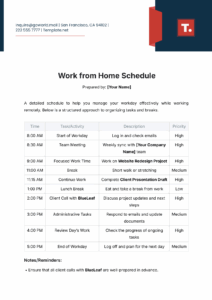
Working from home has become a new normal for many of us, offering incredible flexibility but sometimes blurring the lines between professional life and personal space. Without the traditional office structure, it can be easy to feel adrift, losing track of time or struggling to switch off when the workday is done. That feeling of constantly being "on" or conversely, struggling to find motivation, is a common challenge for remote workers seeking to thrive.
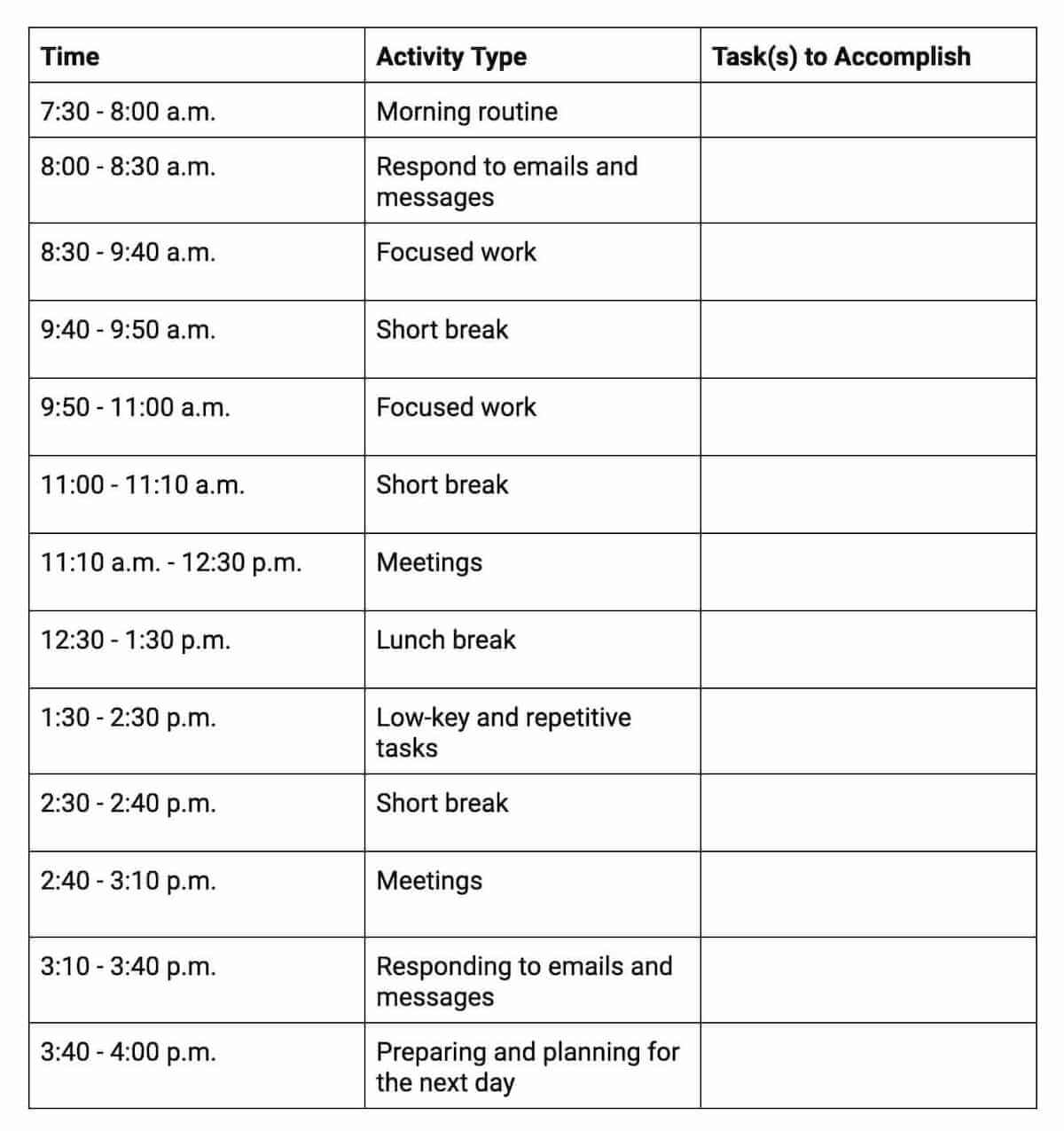
The good news is that with a bit of planning and intentionality, you can create a productive and balanced remote work routine that truly works for you. Implementing a structured schedule helps establish boundaries, enhances focus, and ensures you allocate time for both your tasks and your well-being. It transforms potential chaos into calm, allowing you to reclaim control over your day and ultimately, your week.
Designing Your Personalized Weekly Work From Home Schedule
Creating an effective weekly work from home schedule template isn’t about fitting into a rigid mold but rather about crafting a framework that aligns with your unique professional demands and personal life. There’s no one-size-fits-all solution because everyone’s energy levels fluctuate differently throughout the day, and household responsibilities vary greatly. The key is to be honest about your peak productivity times, identify essential non-work commitments, and then strategically block out your time.
Start by considering your non-negotiables. Do you have children to get ready for school, a specific time you prefer for exercise, or fixed virtual meetings? These form the anchors of your week. Once these are penciled in, you can begin to overlay your work tasks. Think about tasks that require deep concentration versus those that are more administrative. Try to schedule your most demanding work during your natural peak hours, when your mind is sharpest and you’re least likely to be distracted.
It’s also crucial to remember that your schedule is a tool for support, not a punitive measure. It should reduce stress, not add to it. Be realistic about how much you can achieve in a day and build in buffers for unexpected interruptions, which are an inevitable part of home life. Overloading your schedule can lead to burnout, defeating the very purpose of establishing a healthier work-life balance.
Key Components of an Effective Schedule
- **Fixed Start and End Times:** Establish clear boundaries for when your workday begins and ends to mentally transition into and out of work.
- **Dedicated Work Blocks:** Allocate specific chunks of time for focused work on particular projects or tasks. Try time blocking to minimize context switching.
- **Scheduled Breaks:** Include short breaks for stretching, grabbing a snack, or stepping away from your screen. A longer lunch break is also essential.
- **Personal Time:** Deliberately schedule time for personal appointments, hobbies, family, or simply unwinding. This is crucial for preventing burnout.
- **Communication Windows:** Designate specific times for checking emails, responding to messages, or team check-ins to avoid constant interruptions.
By thoughtfully integrating these components into your weekly work from home schedule template, you’re building a robust foundation for a productive and more enjoyable remote work experience. It empowers you to tackle your professional responsibilities while safeguarding your personal well-being, which is truly the ultimate goal of remote work flexibility.
Making Your Weekly Schedule Stick: Tips for Productivity and Balance
Crafting a well-thought-out weekly work from home schedule template is an excellent first step, but the real magic happens when you consistently adhere to it. Maintaining discipline when you’re your own manager can be challenging, especially when the refrigerator is just a few steps away or household chores beckon. The secret lies in a combination of environmental setup, communication, and a willingness to adapt.
First, establish a dedicated workspace, even if it’s just a corner of a room. This physical separation helps your brain associate that space with work, making it easier to get into a productive mindset when you sit down and to switch off when you leave it. Minimize distractions within this space and ensure you have all the tools you need readily available, whether it’s specific software, notebooks, or a comfortable chair.
Next, communicate your schedule to those around you, both professionally and personally. Let your family know your dedicated work hours so they understand when you need uninterrupted focus. Similarly, inform your team of your general working hours and when you’re available for meetings or quick chats. This transparency manages expectations and reduces spontaneous interruptions, allowing you to stick closer to your planned blocks.
Remember, your schedule is a living document, not carved in stone. Life happens, and sometimes you’ll need to adjust. Don’t view deviations as failures, but rather as opportunities to refine your approach. If a particular time blocking strategy isn’t working, or if you consistently find yourself needing more time for certain tasks, make the necessary tweaks for the following week. Regular review and adjustment are key to long-term success.
- **Set Up a Dedicated Workspace:** Create a distinct physical area for work to help mentally separate your home and office.
- **Communicate Your Schedule:** Inform family and colleagues about your work hours and availability to minimize interruptions.
- **Use Productivity Tools Wisely:** Leverage digital calendars, task managers, and focus apps to support your planned routine.
- **Take Regular Breaks:** Step away from your screen, stretch, or do something non-work-related during your scheduled breaks to recharge.
- **Review and Adjust Weekly:** At the end of each week, assess what worked and what didn’t, then refine your schedule for the next week.
By implementing these practical strategies, you’re not just creating a schedule; you’re building habits that foster a sustainable and fulfilling remote work lifestyle. It’s about empowering yourself to be productive without sacrificing your personal well-being, striking that delicate balance that makes working from home truly rewarding.
Embracing a well-structured approach to your remote work week is transformative. It moves you from reacting to your day to intentionally shaping it, ensuring that important tasks are completed, and personal time is protected. This proactive stance significantly reduces stress, boosts productivity, and cultivates a sense of control over your professional journey while working from home.
The journey to finding your ideal rhythm might involve some experimentation, but the effort is well worth it. By consistently refining your approach and prioritizing both your output and your well-being, you unlock the full potential of remote work. It’s about creating a sustainable routine that supports your career aspirations and enhances your overall quality of life.