Navigating the waters of student loan debt can often feel overwhelming, like trying to chart a course without a reliable map. Many of us emerge from college with a mix of excitement and a looming financial obligation, and understanding exactly how those loans will be paid off over time isn’t always clear from the start. It’s a common challenge, and honestly, it’s a big one that affects millions.
But what if you could gain a crystal-clear picture of your repayment journey? What if you could see precisely how each payment chipped away at your principal, how much interest you’re really paying, and when you can expect to be debt-free? That’s where a powerful tool comes into play, a game-changer for anyone serious about tackling their student debt head-on: the student loan amortization schedule. It transforms abstract numbers into an actionable plan.
What Exactly is a Student Loan Amortization Schedule and Why Do You Need One?
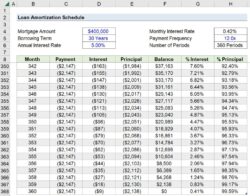
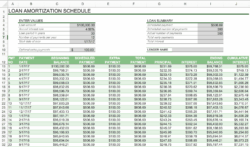
At its core, an amortization schedule is simply a table that details every single payment you’ll make on a loan until it’s fully paid off. For student loans, this means breaking down each monthly installment into two main components: the amount applied to the interest and the amount applied to the principal balance. You’ll see how your remaining balance decreases with each successful payment, giving you a tangible sense of progress.
This isn’t just some fancy financial jargon; it’s a crucial tool for anyone with student debt. Imagine being able to anticipate your financial future, not just guess at it. An amortization schedule shows you the long game, helping you understand how interest accrues and how your early payments primarily cover that interest before making a significant dent in your principal. Without it, you might feel like your payments are just disappearing into a black hole, but with it, you gain perspective and control.
Key Components of Your Amortization Schedule
When you look at a well-designed schedule, you’ll notice several columns that are vital to your understanding:
- Original Loan Balance: The starting amount of your debt.
- Interest Rate: The percentage charged on your loan.
- Loan Term (Number of Payments): How many months you have to pay back the loan.
- Monthly Payment Amount: The fixed sum you pay each month.
- Amount Applied to Interest: The portion of your payment covering interest for that period.
- Amount Applied to Principal: The portion of your payment reducing your actual debt.
- Remaining Loan Balance: What you still owe after each payment.
Understanding these components is key. It demystifies the repayment process, allowing you to see the true cost of your loan and the impact of every dollar you pay. This transparency empowers you to make smarter financial decisions, whether it’s adjusting your budget or considering extra payments. It also prepares you to find the perfect student loan amortization schedule template to manage your specific situation.
How a Student Loan Amortization Schedule Template Can Transform Your Repayment Strategy
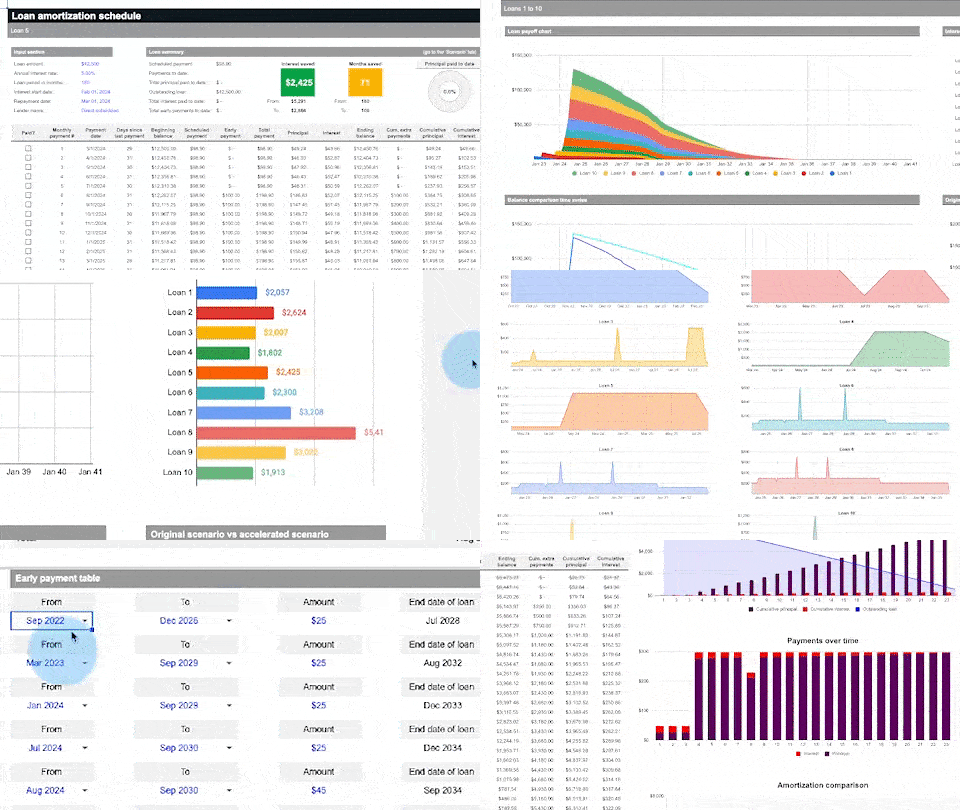
Creating an amortization schedule from scratch can be a bit daunting, requiring some spreadsheet wizardry and an understanding of complex financial formulas. That’s why a student loan amortization schedule template is such a lifesaver. These templates, often available in spreadsheet formats like Excel or Google Sheets, come pre-formatted with all the necessary calculations built-in. All you usually need to do is plug in your specific loan details—your principal balance, interest rate, and loan term—and voilà, a complete repayment roadmap instantly appears.
The real magic of using a template lies in its flexibility and ease of use. You’re not just getting a static snapshot of your loan; you’re gaining an interactive tool. Want to see what happens if you make an extra $50 payment each month? Just input that change into the template, and it will immediately recalculate your new payoff date and the total interest saved. This “what if” scenario planning is incredibly powerful, allowing you to visualize different repayment strategies and their impact on your finances.
Moreover, a good template isn’t just about showing you the numbers; it’s about giving you actionable insights. You can use it to compare different refinancing options by simply plugging in new interest rates and terms. It helps you anticipate periods when your interest payments will be higher and when your principal payments will finally start to accelerate, especially if you’re making extra contributions. This foresight can be invaluable for budgeting and making informed decisions about your financial future.
Ultimately, leveraging a robust student loan amortization schedule template moves you from a passive borrower to an active manager of your debt. It turns a large, intimidating sum into a series of manageable steps, each bringing you closer to financial freedom. This proactive approach can reduce stress, increase motivation, and most importantly, equip you with the knowledge to make smart, strategic moves with your money, rather than just reacting to your monthly bills.
Taking control of your student loans doesn’t have to be a confusing, uphill battle. With the right tools, like a well-structured amortization schedule, you can gain clarity, make informed decisions, and actively work towards a debt-free future. It’s about more than just numbers on a page; it’s about peace of mind and the empowerment that comes from truly understanding your financial obligations.