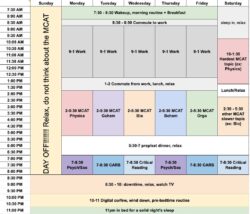
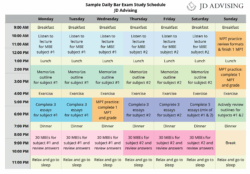
Embarking on the MCAT journey can feel like staring up at a formidable mountain. It’s a challenging exam that requires dedication, strategic planning, and a deep understanding of complex scientific principles. Many aspiring medical students wonder how to best organize their study time to maximize efficiency and achieve their target score.
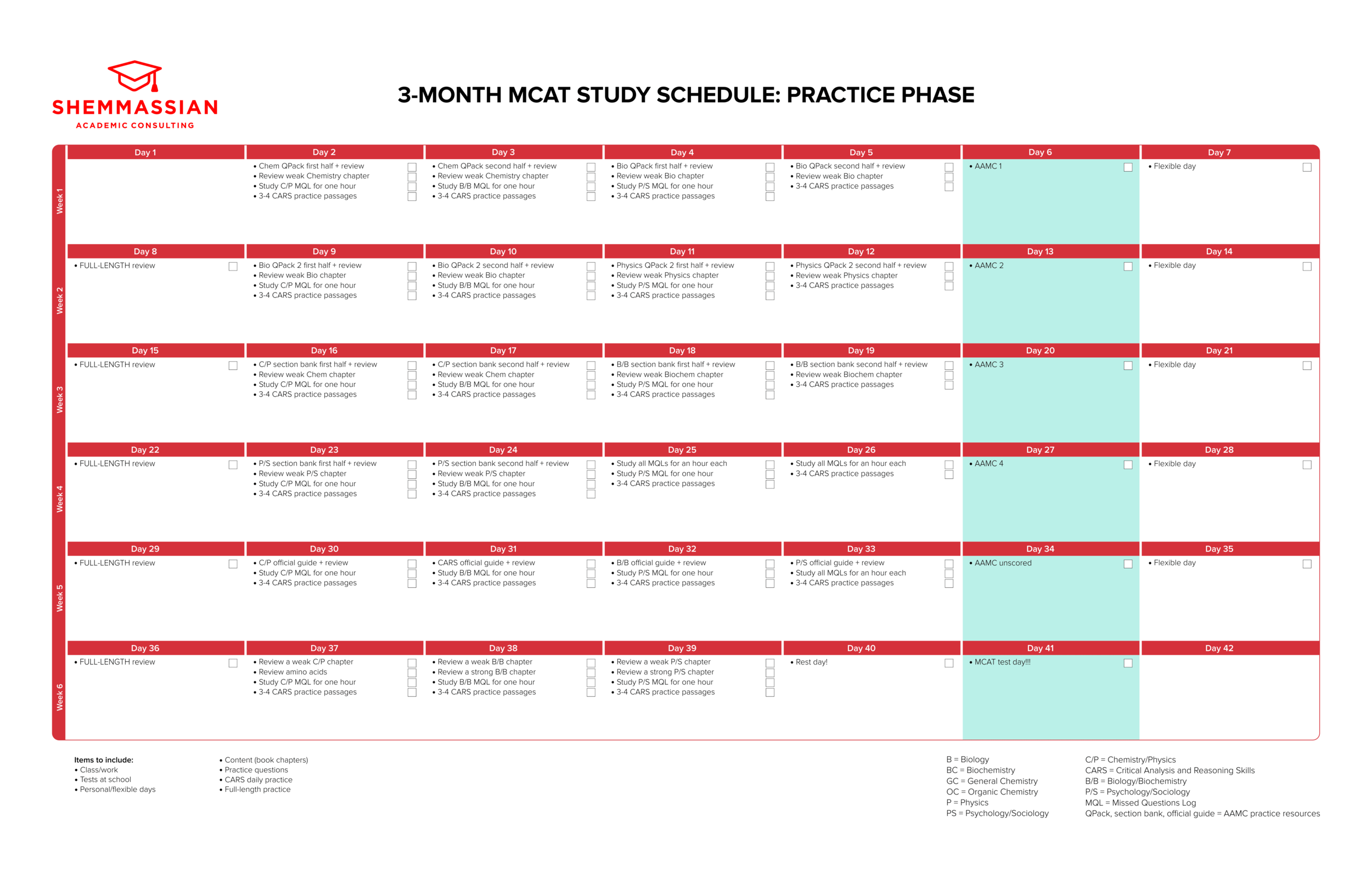
While the ideal study duration varies for everyone, a 3-month intensive period often strikes a good balance between comprehensive coverage and preventing burnout. This article will guide you through creating an effective mcat study schedule template 3 months, offering practical tips and a structured approach to help you conquer this crucial hurdle on your path to medical school.
Structuring Your 3-Month MCAT Journey
A well-structured 3-month plan doesn’t just involve opening textbooks; it’s about strategically allocating your time across content review, practice, and critical analysis. The key is to build a strong foundation, transition into rigorous application of knowledge, and then refine your skills in the final weeks. Think of it as a three-phase approach, each with distinct goals and methods to ensure you’re making consistent progress without feeling overwhelmed.
The initial weeks are all about immersing yourself in the vast content covered by the MCAT. This isn’t just passive reading; it involves active learning techniques to truly absorb the material. As you move forward, the focus shifts from learning to applying, ensuring you can use your knowledge to tackle challenging passages and questions under timed conditions. Let’s break down how to manage these phases effectively.
Phase 1: Content Foundation (Weeks 1-6)
Your first six weeks should be dedicated to a thorough content review across all MCAT sections. This is where you revisit biology, chemistry, physics, psychology, sociology, and critical analysis skills. Don’t just skim through the material; strive for deep understanding. Consider using a comprehensive review book set or an online course to guide your studies.
- **Daily Content Review:** Allocate specific blocks of time each day to different subjects. For example, spend mornings on biology and afternoons on general chemistry, then switch to organic chemistry and physics the next day.
- **Active Learning Techniques:** Instead of just reading, try making flashcards, summarizing chapters in your own words, drawing diagrams, or teaching concepts aloud to an imaginary student.
- **Integrated Practice:** Even during content review, incorporate daily practice questions. These don’t need to be full-length passages yet, but short question sets after each content block will help solidify your understanding and identify immediate gaps.
Phase 2: Practice and Application (Weeks 7-10)
Once you have a solid content base, the next four weeks are crucial for transitioning from knowledge acquisition to application. This is where you truly start to flex your analytical muscles and adapt to the MCAT’s unique question styles. Full-length practice tests become your best friend in this phase.
- **Regular Full-Length Exams:** Aim for one full-length practice exam every week or two. Treat these tests like the real thing – simulate testing conditions, including breaks.
- **Detailed Review of Practice Exams:** Don’t just look at your score; spend significant time reviewing every question, both correct and incorrect. Understand *why* you got it right or wrong, identify patterns in your mistakes, and pinpoint areas for further content review.
- **Targeted Content Review:** Use your practice exam analysis to guide your content review. If you consistently miss questions on cellular respiration, dedicate extra time to that topic.
Phase 3: Refinement and Final Push (Weeks 11-12)
The final two weeks before your exam are about sharpening your skills, consolidating knowledge, and mentally preparing. Avoid learning brand new content extensively during this time; focus on what you already know and how to apply it efficiently.
- **AAMC Official Materials:** Prioritize all official AAMC practice materials – Section Bank, Question Packs, and remaining full-length exams. These are the most representative of the actual exam.
- **Weak Area Drills:** Dedicate short, focused sessions to your consistently weakest areas. Use flashcards, quick content reviews, and targeted practice questions.
- **Rest and Mental Preparation:** Taper your study hours in the last few days. Prioritize sleep, light exercise, and stress-reducing activities. A well-rested mind performs better.
Key Strategies for Success Within Your 3-Month Plan
Having a well-defined schedule is just one piece of the puzzle; how you approach your studies day-to-day will ultimately determine your success. Consistency, self-awareness, and a commitment to mental well-being are just as important as the hours you log in front of your books. Remember that the MCAT tests not just what you know, but also your endurance, critical thinking, and ability to perform under pressure.
One of the most powerful tools in your arsenal is active recall. Instead of passively rereading notes, actively test yourself. Flashcards are fantastic for this, but also try explaining concepts without looking at your materials. Spaced repetition, where you revisit information at increasing intervals, significantly improves long-term retention, which is essential for an exam like the MCAT that covers such a broad range of topics.
Full-length practice exams are truly non-negotiable. They do more than just assess your knowledge; they build your stamina, teach you time management, and expose you to the nuances of MCAT-style questions. The review process for these exams should be meticulous. Don’t just correct your answers; analyze every option, understand the rationale behind the correct answer, and figure out why the distractors were wrong. This deep dive into your mistakes is where the real learning happens.
Finally, maintaining your well-being throughout this demanding period is paramount. The mcat study schedule template 3 months is intense, and burnout is a real threat. Schedule in regular breaks, ensure you’re getting enough sleep, eat nourishing meals, and incorporate some form of physical activity. Staying connected with friends and family, even for short periods, can also provide much-needed emotional support. Remember, a healthy mind and body are your greatest assets on test day.
Embarking on your MCAT preparation with a clear, actionable plan like this 3-month template can make all the difference. It provides structure, reduces uncertainty, and allows you to focus your energy on learning and applying complex material. While demanding, this period is also incredibly rewarding as you deepen your scientific understanding and hone your critical thinking skills.
Stay disciplined, trust your process, and remember to be kind to yourself throughout this journey. With consistent effort and strategic planning, you are setting yourself up for success on the MCAT and taking a significant step towards your dream of becoming a physician. Good luck, and happy studying!