Running a hotel is a constant juggling act, and nowhere is this more apparent than at the front desk. This bustling hub is the first and last point of contact for your guests, and the team working there sets the tone for their entire stay. Ensuring you have the right people, at the right time, with clear responsibilities, is paramount for guest satisfaction and smooth operations.
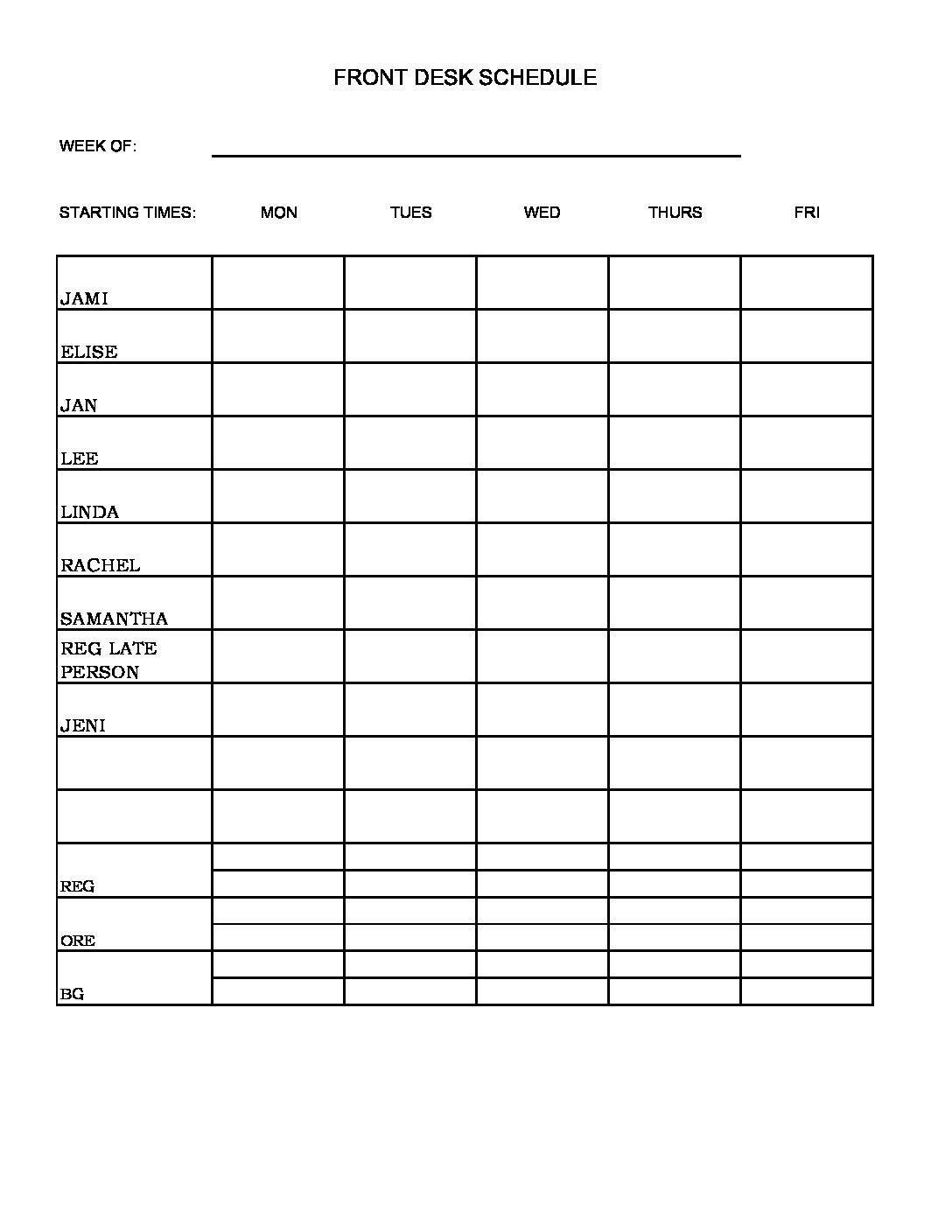
That’s where a well-structured scheduling system comes into play. Ditching the haphazard notes and last-minute changes for a clear, comprehensive plan can dramatically reduce stress for both management and staff, leading to a more harmonious and efficient environment. It’s about more than just filling shifts; it’s about strategic planning to optimize your hotel’s most vital customer-facing department.
Why a Solid Front Desk Schedule is Your Hotel’s Best Friend
The front desk is the heartbeat of any hotel. These dedicated individuals are not just checking guests in and out; they’re problem-solvers, local guides, security liaisons, and often the face of your brand. When the front desk is adequately staffed and running smoothly, guests feel attended to, and potential issues are often resolved before they escalate. Conversely, understaffing or disorganized shifts can quickly lead to long wait times, frustrated guests, and overworked employees.
Many hotels still grapple with manual scheduling methods, which, while seemingly straightforward, can be incredibly time-consuming and prone to error. Trying to account for staff availability, desired hours, legal break requirements, and special requests can turn into a weekly headache for managers. This not only saps valuable management time but can also lead to inconsistencies that impact staff morale and, ultimately, the guest experience.
A well-designed schedule template transforms this chaotic process into an organized, predictable system. It provides a clear overview of who is working when, ensuring consistent coverage across all shifts, including peak times and quieter periods. This proactive approach prevents last-minute scrambling and helps maintain a professional, calm atmosphere even during the busiest rushes.
By investing time in creating or adopting a robust scheduling system, you are not just managing shifts; you are actively improving several key aspects of your hotel’s operation. It acts as a foundational tool for consistency and excellence.
Key Benefits of a Structured Schedule
Enhanced Guest Satisfaction: When guests arrive, they expect prompt service. A clear schedule ensures that there are always enough staff members available to handle check-ins, answer queries, and provide assistance without delays. This consistent availability directly contributes to a positive first impression and a smooth overall experience.
Improved Staff Morale: Employees thrive on predictability and fairness. A transparent schedule, created with a good hotel front desk schedule template, ensures that shifts are distributed equitably, and everyone knows their working hours well in advance. This reduces stress, allows staff to plan their personal lives, and fosters a sense of trust and appreciation within the team.
Operational Efficiency: Strategic scheduling minimizes unnecessary overtime and maximizes productivity. By analyzing occupancy trends and historical data, you can align staffing levels precisely with demand, avoiding both overstaffing during slow periods and understaffing during busy ones. This optimization directly impacts your hotel’s bottom line.
Compliance and Accuracy: Labor laws regarding breaks, maximum working hours, and fair scheduling practices are complex. A well-constructed template helps you adhere to these regulations, reducing the risk of costly penalties and legal issues. It provides a clear record, simplifying auditing processes and ensuring all staff are treated fairly within legal frameworks.
Crafting Your Perfect Hotel Front Desk Schedule Template
Moving from understanding the “why” to the practical “how” of implementing an effective schedule is the next crucial step. The goal isn’t just to fill slots but to create a dynamic, adaptable plan that supports both your hotel’s operational needs and your staff’s well-being. A customizable hotel front desk schedule template is the cornerstone of achieving this balance, allowing you to tailor the system to your unique property.
When you’re building or choosing a template, consider all the moving parts of your front desk operations. Think about the various shifts (morning, evening, overnight), the required number of staff for each, and how breaks will be managed without leaving the desk unattended. You’ll also need to factor in individual staff availability, skill sets, and any specific requests they might have, such as preferences for certain days or types of shifts.
There are many ways to approach a schedule template, from simple spreadsheets in Excel or Google Sheets, which offer great flexibility, to more sophisticated software solutions. For many hotels, particularly those of moderate size, a well-designed spreadsheet template provides an excellent balance of functionality and ease of use. It allows for quick adjustments and clear visualization of the entire week or month at a glance.
The key to a successful schedule isn’t just setting it up but also managing it consistently. Encourage open communication with your team regarding their availability and any challenges they foresee. Regularly review the schedule against actual operational needs and guest feedback to make iterative improvements. A template should be a living document, evolving with your hotel’s rhythm.
Essential Components to Include in Your Template
- Employee Names and Contact Info: Clearly list all front desk staff, along with essential contact details for quick communication.
- Designated Shifts: Allocate specific time slots (e.g., 7 AM – 3 PM, 3 PM – 11 PM, 11 PM – 7 AM) for each day of the week.
- Break Times: Integrate scheduled break times that comply with labor laws and ensure continuous coverage.
- Days Off and Leave Requests: Track approved days off, vacation, and sick leave to prevent scheduling conflicts.
- Special Notes: Include sections for notes on training sessions, special events, or any temporary changes to responsibilities.
- Daily/Weekly Coverage Overview: A summary section that allows managers to quickly see how many staff members are scheduled for each hour or shift.
Implementing a thoughtful approach to scheduling can truly transform your hotel’s front desk operations. It empowers your team with clarity and fairness while ensuring your guests consistently receive the attentive service they expect. By proactively planning and utilizing efficient tools, you foster an environment where both staff and guests can thrive.
Ultimately, the effort put into creating and maintaining a well-organized schedule pays dividends in terms of reduced stress, improved efficiency, and a significantly enhanced guest experience. It’s a fundamental element of successful hotel management that underpins the quality of service and the overall reputation of your establishment.