Managing a construction project can often feel like juggling a dozen tasks while riding a unicycle on a tightrope – complex, precarious, and requiring incredible foresight. That’s where a solid look ahead schedule comes into play, acting as your detailed roadmap for the immediate future. It transforms grand project plans into actionable, short-term steps, ensuring everyone knows what needs to happen next and who’s responsible for making it a reality.

Think of it as zooming in on your master project schedule. While the master plan gives you the big picture, a look ahead schedule provides the granular detail necessary to keep daily and weekly operations running smoothly. It’s not just a fancy document; it’s a critical tool for proactive problem-solving, resource allocation, and maintaining momentum, ultimately helping to keep your project on track and within budget.
Why a Look Ahead Schedule is Your Project’s Best Friend
A look ahead schedule is essentially a detailed, short-term plan, typically covering a 3-week or 6-week period, that breaks down upcoming activities from the master project schedule into manageable, actionable tasks. Its primary goal is to identify potential roadblocks, allocate resources effectively, and facilitate seamless coordination among different teams and subcontractors before issues even arise. Instead of reacting to problems, you’re empowered to anticipate and address them proactively.
This level of detailed planning offers a multitude of benefits. For starters, it significantly improves communication. When every team member has a clear understanding of their upcoming tasks, deadlines, and how their work integrates with others, misunderstandings decrease, and collaboration flourishes. It also allows for more efficient resource management, ensuring that the right equipment, materials, and personnel are available precisely when and where they’re needed, preventing costly delays.
Key Elements of an Effective Look Ahead Schedule
To truly be your project’s best friend, a look ahead schedule needs to be comprehensive yet easy to understand. It shouldn’t just list tasks but provide enough detail for execution. Here are some of the crucial components you’ll typically find:
- Specific Tasks and Activities: Detailed breakdowns of work to be completed, often including sub-tasks.
- Assigned Responsibilities: Clearly identifies who or which team is accountable for each task.
- Start and End Dates: Precise timelines for when each activity is scheduled to begin and conclude within the look-ahead period.
- Dependencies and Predecessors: Highlights which tasks must be completed before others can start, crucial for workflow.
- Required Resources: Notes any specific equipment, materials, or specialized labor needed.
- Current Status/Progress: Often includes a column to update the real-time status of each task, facilitating quick adjustments.
By meticulously tracking these elements, a look ahead schedule becomes more than just a list; it transforms into a living document that guides daily operations and provides a clear snapshot of project health. This granular insight allows project managers to make informed decisions, reallocate resources as needed, and ensure that the project is always progressing towards its objectives with maximum efficiency.
Crafting Your Perfect Construction Look Ahead Schedule Template
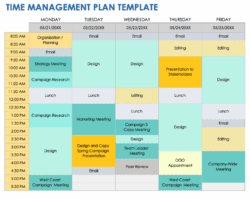
The beauty of a well-designed construction look ahead schedule template lies in its ability to bring consistency and efficiency to your planning process. Instead of reinventing the wheel for every new project or even every new planning cycle, a template provides a standardized framework. This not only saves valuable time but also ensures that all critical information is consistently captured, making it easier for everyone involved to interpret and utilize the schedule effectively. It’s about establishing a repeatable process that your entire team can quickly understand and adopt.
When you’re ready to create or customize your own template, start by thinking about the recurring elements of your projects. What information do you always need to track? What reporting requirements do you frequently encounter? Many teams begin with a simple spreadsheet, which offers immense flexibility for customization. You can set up columns for all the key elements we discussed earlier, add conditional formatting to highlight critical path items, or even include simple formulas to track progress percentages.
Consider the level of detail that is appropriate for your typical projects and team. A very large, complex project might benefit from more granular sub-tasks and extensive dependency tracking, while a smaller, simpler job might only need a more streamlined view. The goal is to make the template useful, not overwhelming. It should enhance clarity, not add to the administrative burden. Don’t be afraid to solicit input from your superintendents and foremen – they are the ones on the ground who will be using this document daily.
There are many digital tools that can serve as excellent foundations for your construction look ahead schedule template. While a basic spreadsheet (like Excel or Google Sheets) is often the most accessible starting point, dedicated project management software (such as Procore, PlanGrid, or even more general tools like Asana or Trello) can offer advanced features like automated updates, integrated communication, and resource management capabilities. The key is to choose a tool that aligns with your team’s tech-savviness and your project’s complexity, ensuring it supports, rather than hinders, your planning efforts.
Ultimately, a robust construction look ahead schedule template empowers your project team to move forward with clarity and confidence. It’s about more than just dates and tasks; it’s a strategic tool that fosters effective communication, optimizes resource allocation, and helps anticipate challenges before they escalate. By consistently implementing and regularly updating this vital document, you’re not just managing a project; you’re actively steering it towards successful and timely completion. With every project, you’ll find that having this detailed, forward-looking plan in your arsenal is an indispensable asset for navigating the complexities of construction.