Ever feel like your social media presence is a bit like a wild, untamed garden? You plant a few things here and there, hope for the best, and sometimes a beautiful flower blooms, but often it just feels like chaos. In today’s fast-paced digital world, keeping up with multiple platforms, varying content types, and constant engagement can quickly become overwhelming, turning a powerful marketing tool into a source of stress. It is easy to lose track of what you posted where, and when.
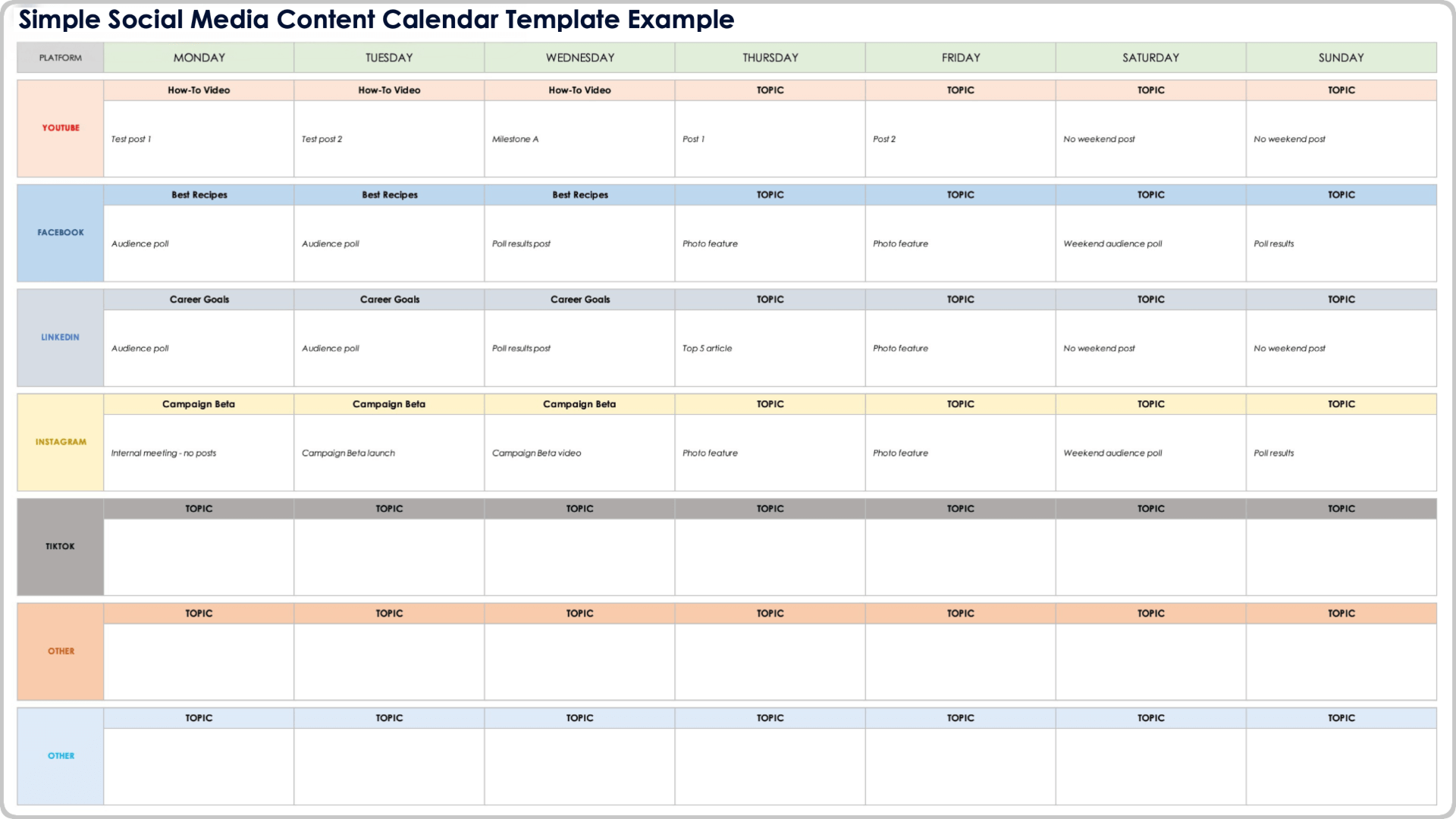
That is where organization becomes your best friend. Imagine having a clear roadmap, a step-by-step guide that helps you navigate the complexities of social media content creation and distribution. A well-designed social media post schedule template is not just about writing things down; it is about bringing structure, consistency, and strategic thinking to your online efforts, transforming that wild garden into a meticulously cultivated landscape that yields consistent results.
Why You Absolutely Need a Social Media Schedule
Trying to manage your social media content on the fly is often a recipe for missed opportunities and burnout. When you wake up each day wondering what to post, you are already behind. A social media schedule, at its core, is a plan. It is a commitment to your audience that you will show up consistently, with valuable content, at times when they are most likely to be listening. This consistent presence builds trust and keeps your brand top of mind.
Furthermore, a schedule helps you maintain a diverse and balanced content diet. Instead of constantly pushing promotional messages, you can strategically weave in educational posts, entertaining snippets, behind-the-scenes glimpses, and opportunities for engagement. This variety keeps your audience interested and prevents content fatigue, both for them and for you. It ensures you are not just posting for the sake of it, but with a purpose behind every piece of content.
Think about the time you could save. Instead of scrambling for ideas daily, a schedule allows you to batch your content creation. You can dedicate specific blocks of time to brainstorming, writing captions, designing graphics, and scheduling posts for an entire week or even a month. This focused work is far more efficient than the constant context-switching that comes with last-minute planning, freeing up valuable time for other aspects of your business or personal life.
Finally, a structured approach empowers better analysis. When you post according to a plan, you can more easily track what works and what does not. You can identify patterns in audience engagement, understand peak performance times, and refine your strategy based on data, not just guesswork. This iterative improvement is crucial for long-term growth and success on any social media platform.
Key Benefits of a Structured Approach
- Improved consistency in your brand’s online presence
- Enhanced content quality through thoughtful planning
- Significant time savings by batching tasks
- Better analytics and insights for data-driven decisions
- Reduced marketing stress and increased peace of mind
Building Your Ideal Social Media Post Schedule Template
Crafting your very own social media post schedule template might seem like a daunting task at first, but it is actually quite straightforward once you understand the core components. The goal is to create a living document that serves as your central hub for all things social media, helping you visualize your content flow and ensure nothing falls through the cracks. It should be comprehensive enough to guide you but flexible enough to adapt to real-time events and trending topics.
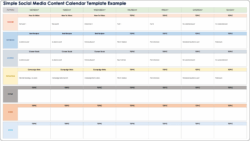
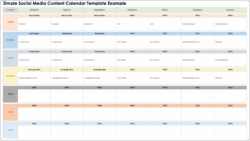
Start by identifying the key information you need to track. This usually includes the date and time of the post, the specific social media platform it is intended for, the type of content (e.g., image, video, link, story), the actual caption or accompanying text, and any relevant hashtags. You might also want to include columns for the content creator, the status of the post (draft, approved, scheduled, posted), and a link to the creative assets.
Next, consider your posting frequency and content pillars. How often do you want to post on each platform? What are the overarching themes or topics that align with your brand’s message and resonate with your audience? Mapping these out will help you ensure a diverse and consistent content mix. For example, Monday might be a “Tips and Tricks” day, Wednesday an “Engagement Question,” and Friday a “Behind the Scenes” look.
Remember that a template is a starting point, not a rigid prison. While it provides structure, leave room for spontaneity. Social media thrives on current events and timely interactions. Your template should allow you to easily insert an unplanned post or shift content around when needed without disrupting your entire system. Regularly review and refine your template as your strategy evolves and you learn more about what works best for your audience.
- Identify your target platforms for each post.
- Determine your ideal posting frequency per platform.
- Brainstorm content themes and categories for variety.
- Assign specific content types like images, videos, or questions.
- Schedule creation, approval, and publishing dates.
Adopting a systematic approach to your social media efforts truly transforms how you engage with your audience and manage your online presence. By taking the time to plan and organize, you move from reactive posting to proactive strategy, allowing you to tell your brand’s story more effectively and consistently. This level of intentionality not only makes your work easier but also significantly boosts the impact of every piece of content you share.
Embrace the power of organization and watch as your social media channels become vibrant, engaging spaces that genuinely connect with your community. The effort you put into structuring your content today will pay dividends in increased reach, stronger engagement, and a more cohesive brand message tomorrow. It is all about working smarter, not just harder, to achieve your digital marketing goals.