Navigating the bustling world of social media can often feel like trying to herd cats – chaotic, unpredictable, and surprisingly energy-intensive. One day you’re buzzing with content ideas, the next you’re staring at a blank screen, scrambling to put something out just to maintain your online presence. This inconsistency not only adds unnecessary stress but can also dilute your brand’s message and hinder your growth.
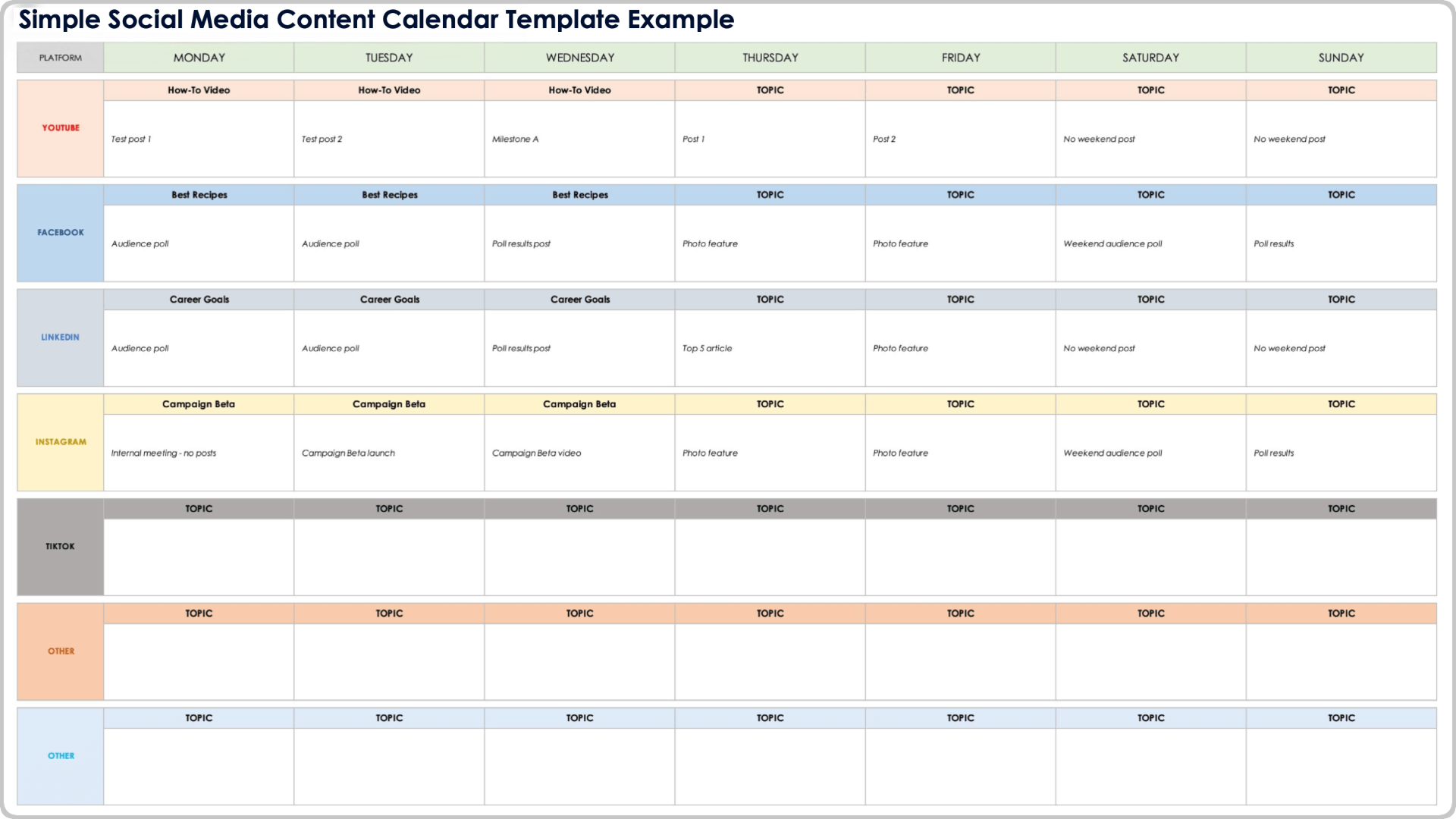
Imagine a world where your social media strategy is calm, collected, and consistently delivering value to your audience. This isn’t a fantasy; it’s a reality made possible with a structured approach. The secret weapon for many successful businesses and content creators lies in having a well-thought-out plan. It’s about being proactive rather than reactive, ensuring every post serves a purpose, and that your audience always knows when to expect your next piece of engaging content.
Why You Need a Social Media Posting Schedule Template
Having a social media posting schedule template isn’t just about making your life easier, though it certainly does that. It’s fundamentally about strategic communication and audience engagement. When you consistently post valuable content, your audience learns to expect it, fostering a deeper connection and building loyalty over time. Without a plan, you risk falling silent or, worse, posting erratically, which can make your brand seem unorganized or unreliable.
Think about the time you currently spend brainstorming, creating, and publishing posts on the fly. It’s often fragmented, rushed, and less effective. A dedicated template allows you to batch your content creation, designing several posts at once for different platforms, and then simply plugging them into your schedule. This dramatically reduces decision fatigue and frees up valuable time that you can then dedicate to engaging with your community or developing new strategies. It transforms your social media management from a reactive chore into a streamlined, productive process.
Moreover, a well-structured template provides a bird’s-eye view of your content strategy. You can easily spot gaps in your content themes, ensure a healthy mix of promotional, educational, and entertaining posts, and maintain brand voice across all your platforms. This strategic oversight is crucial for delivering a cohesive message and keeping your audience engaged with diverse content. It helps you avoid over-relying on one type of content and ensures your audience remains interested.
Finally, a social media posting schedule template becomes an invaluable tool for tracking and analysis. Once your posts are scheduled and published, you can refer back to your template to see which content performed best, on which days, and at what times. This data-driven insight allows you to continually refine your strategy, optimizing for engagement, reach, and conversions. It turns your social media efforts into a learning laboratory, allowing you to adapt and improve with every cycle.
Key Elements to Include in Your Template
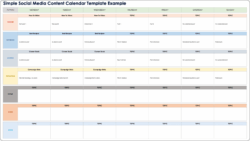
When building out your template, consider these essential components to ensure maximum effectiveness:
- **Date and Time:** When exactly will this post go live? Be specific, considering optimal times for each platform.
- **Platform:** Which social media channel is this post intended for (e.g., Instagram, Facebook, LinkedIn, Twitter, TikTok)?
- **Content Type:** What kind of content is it (e.g., image, video, carousel, story, poll, blog link)?
- **Caption/Copy:** The text that accompanies your visual. Craft it to be engaging and informative.
- **Visuals (Link/Description):** A link to or description of the image, video, or graphic you’ll be using.
- **Hashtags:** Relevant hashtags to increase discoverability.
- **Call to Action (CTA):** What do you want your audience to do next (e.g., “Link in bio,” “Comment below,” “Visit our website”)?
- **Status:** Track your progress (e.g., “Drafted,” “Approved,” “Scheduled,” “Published”).
- **Campaign/Theme:** If your post is part of a larger campaign or recurring theme, note it here for context.
How to Create Your Own Effective Social Media Posting Schedule Template
Building an effective social media posting schedule template starts with understanding your goals and your audience. Before you even think about dates and times, take a moment to reflect on what you want to achieve with your social media presence. Are you looking to increase brand awareness, drive traffic to your website, generate leads, or foster a community? Your objectives will dictate the type of content you create and the platforms you prioritize. Similarly, knowing who your audience is – their demographics, interests, and online behavior – will inform your content strategy, tone of voice, and optimal posting times.
Once you have a clear understanding of your goals and audience, the next step is to choose your primary social media platforms and define your content pillars. You don’t need to be everywhere; focus on the platforms where your target audience spends most of their time and where you can genuinely deliver value. After selecting your platforms, establish 3-5 core content themes or pillars that align with your brand and resonate with your audience. These pillars act as categories for your content, ensuring variety and consistency in your messaging. For instance, a fitness brand might have pillars like "workout tips," "healthy recipes," "client success stories," and "behind-the-scenes."
With your platforms and content pillars in place, it’s time to determine your optimal posting frequency and times. This often requires a bit of research and experimentation. Look at industry benchmarks for your chosen platforms, but also pay attention to your own analytics to see when your audience is most active and engaged. Don’t feel pressured to post daily if it’s not sustainable or doesn’t yield better results. Quality over quantity is key. A consistent schedule of high-quality posts will always outperform sporadic, rushed content.
Finally, begin populating your social media posting schedule template with specific content ideas. Brainstorm topics within each of your content pillars and map them out across your chosen platforms and schedule. This is where you bring your strategy to life, planning out your captions, selecting your visuals, and defining your calls to action. Remember to include a good mix of content types – not just promotional posts – to keep your feed diverse and engaging. Don’t be afraid to experiment with different formats, from short videos to interactive polls, to see what resonates best with your audience.
Crafting a robust social media strategy doesn’t have to be an overwhelming endeavor. With a solid social media posting schedule template in hand, you transform a potentially daunting task into a manageable, strategic, and ultimately rewarding part of your marketing efforts. It’s about building a sustainable system that supports your long-term goals.
By embracing this structured approach, you’ll not only save precious time and reduce stress, but you’ll also foster stronger connections with your audience, consistently deliver valuable content, and gain clearer insights into what truly works for your brand. Start organizing your online presence today, and watch your social media efforts flourish with purpose and impact.