Imagine transforming your backyard patch from a hit-or-miss endeavor into a thriving, predictable source of fresh produce. Many gardeners dream of consistent harvests and robust plants, yet often overlook one of the most powerful tools for achieving this: meticulous record keeping. A well-designed vegetable garden record keeping template can unlock insights into your garden’s performance, helping you learn from past seasons and make smarter decisions for the future.
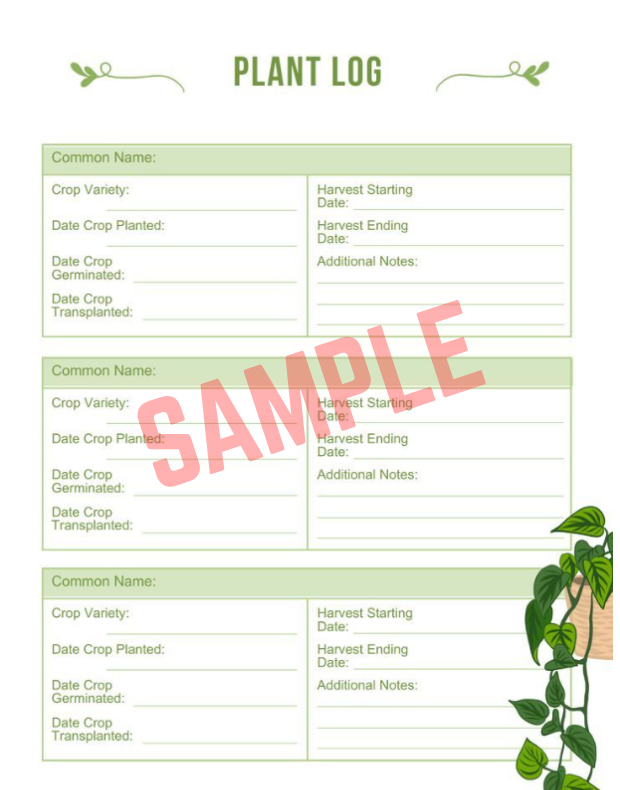
This essential tool helps track everything from planting dates and seed varieties to pest encounters and harvest yields. Without a system, it’s easy to forget what worked well, what struggled, and why. By systematically logging your garden’s journey, you gain valuable data that transforms guesswork into informed strategies, leading to more bountiful and resilient crops year after year.
In this comprehensive guide, we’ll explore why a dedicated vegetable garden record keeping template is indispensable for any serious gardener. We’ll delve into the key elements you should track, offer a detailed sample template, and show you how consistent documentation can revolutionize your gardening success, turning every season into a valuable learning experience.
Why Every Gardener Needs a Detailed Garden Journal
A garden journal, much like a scientist’s lab notebook, provides a structured way to observe, document, and analyze your gardening experiments. It’s more than just a diary; it’s a living history of your garden’s triumphs and challenges. This documentation allows you to identify patterns, troubleshoot problems, and ultimately, cultivate a more productive and enjoyable gardening experience.
Think of the time and effort saved when you no longer rely on memory to recall which tomato variety thrived in a specific bed or when you last amended the soil. A good vegetable garden record keeping template removes this uncertainty. It empowers you to make data-driven decisions, leading to better resource management and healthier plants.
Tracking Plant Performance and Yields
One of the most immediate benefits of keeping detailed records is the ability to track the performance of individual plants and varieties. You can note which seeds germinated quickly, which seedlings grew robustly, and which plants produced the highest yields. This information is gold for future seed selections and planting plans.
By monitoring yields, you can identify your most productive crops and understand the factors that contribute to their success. Was it the specific location, the amount of sunlight, or a particular feeding schedule? These insights are crucial for replicating success and improving overall productivity. Many gardeners find that consistent tracking can boost their harvest by as much as 20-30% over several seasons.
Optimizing Soil Health and Fertility
Soil is the foundation of any successful garden, and its health is dynamic. A garden journal helps you monitor and optimize your soil’s fertility over time. You can record soil test results, noting pH levels, nutrient deficiencies, and organic matter content.
Furthermore, you can track when and what types of amendments (compost, manure, fertilizers) were added to each bed. This helps prevent over-fertilization, ensures balanced nutrition, and supports a thriving soil microbiome. Understanding your soil’s history empowers you to make targeted improvements season after season.
Identifying Pests and Diseases Early
Pests and diseases are inevitable challenges for any gardener, but early detection and accurate identification can prevent major outbreaks. Your record keeping template serves as an invaluable log for these issues. You can note the first appearance of pests, describe symptoms of plant diseases, and record the treatments applied and their effectiveness.
This historical data helps you anticipate recurring problems and implement preventative measures. For example, if you consistently face squash bugs in early summer, your records will prompt you to set traps or apply organic deterrents before they become a serious issue. A comprehensive garden journal transforms reactive problem-solving into proactive garden management.
Key Elements of an Effective Vegetable Garden Record Keeping Template
An effective vegetable garden record keeping template isn’t about rigid rules; it’s about capturing the information most valuable to your gardening journey. While the specifics might vary, certain core elements are universally beneficial. The goal is to create a system that is easy to maintain and provides actionable insights.
Essential Information to Log
To maximize the utility of your garden records, consider including the following details for each planting season:
- Planting Details:
- Crop name and variety (e.g., “Tomato – Roma VF”)
- Seed source (company, year)
- Planting date (direct sown or transplant date)
- Location in garden (bed number, row, specific spot)
- Number of plants or seeds sown
- Germination rate (if starting from seed)
- Care and Maintenance:
- Watering schedule and method (e.g., “daily drip irrigation,” “weekly hand watering”)
- Fertilization dates and type (e.g., “Compost tea 5/15,” “Organic granular 6/1”)
- Pruning or staking dates
- Pest observations (date, pest type, damage, treatment applied, effectiveness)
- Disease observations (date, symptoms, diagnosis, treatment, outcome)
- Weather notes (unusual heatwaves, heavy rains, frost dates)
- Harvest Details:
- Harvest date
- Quantity harvested (weight or count)
- Notes on quality (taste, size, condition)
Choosing Your Record Keeping Method
There are several popular methods for maintaining a garden journal, and the best choice depends on your personal preference and tech savviness. Many gardeners find a hybrid approach works best, combining different methods for various aspects of their record keeping.
- Notebook or Binder: A classic, tactile approach. Use a dedicated notebook or a binder with loose-leaf paper and dividers for different sections. This method is great for sketching garden layouts and making quick notes while in the garden.
- Spreadsheet Software (e.g., Excel, Google Sheets): Ideal for tracking numerical data like planting dates, yields, and expenses. Spreadsheets allow for easy sorting, filtering, and analysis of your garden data. Many free spreadsheet templates are available online.
- Dedicated Gardening Apps: Numerous apps (e.g., GrowVeg, From Seed to Spoon) offer digital garden planning, planting logs, and integrated pest/disease tracking. These can be very convenient for on-the-go logging and reminders.
Benefits of Consistent Documentation
Consistent record keeping transforms anecdotal observations into concrete data. Over time, you’ll develop a rich repository of information that becomes an invaluable resource. This historical perspective allows you to make more informed decisions about crop rotation, succession planting, and even overall garden design.
For instance, you might discover that a specific tomato variety consistently underperforms in a certain bed due to insufficient morning sun, prompting you to relocate it next season. Similarly, you could identify that amending your soil with worm castings in spring significantly boosts your leafy greens’ yield. The deeper your garden’s documented history, the more profound your future gardening success.
Sample Vegetable Garden Record Keeping Template
Having a structured vegetable garden record keeping template simplifies the process and ensures you capture all vital details. Here’s a sample format, broken down into key sections, that you can adapt for your own use. This can be implemented in a physical notebook or as separate tabs within a digital spreadsheet.
Detailed Planting Log Section
This section tracks everything related to what you’re planting, where, and when. It’s crucial for understanding crop rotation and performance in specific areas.
- Bed/Row ID: (e.g., “Raised Bed 1,” “North Row”)
- Plant/Crop: (e.g., “Bush Bean,” “Carrot”)
- Variety: (e.g., “Contender,” “Danvers 126”)
- Seed Source/Date Purchased: (e.g., “Botanical Interests 2023,” “Local Nursery”)
- Planting Date: (e.g., “May 10”)
- Method: (e.g., “Direct Sown,” “Transplant”)
- # Plants/Seeds: (e.g., “12 plants,” “30 seeds”)
- Spacing: (e.g., “6 inches apart,” “Broadcast”)
- Germination/Sprout Date: (e.g., “May 18”)
- Notes: (e.g., “Slow germination,” “Strong growth,” “Heavy rain after planting”)
Harvest Tracking Section
Monitoring your harvests provides clear data on your garden’s productivity and helps you plan future planting quantities. This helps evaluate the success of different varieties.
- Plant/Crop: (e.g., “Bush Bean”)
- Variety: (e.g., “Contender”)
- Bed/Row ID: (e.g., “Raised Bed 1”)
- Harvest Date: (e.g., “July 1”)
- Quantity: (e.g., “1.5 lbs,” “20 pods”)
- Quality Notes: (e.g., “Excellent,” “Some rust spots,” “Small but tender”)
- Total Season Yield (for this variety): (e.g., “8 lbs”)
Pest and Disease Monitoring Section
This section is vital for understanding common garden problems and the effectiveness of your interventions. Over time, this builds a history of pest pressure and successful solutions.
- Date Observed: (e.g., “June 15”)
- Plant/Crop Affected: (e.g., “Tomato – Cherry”)
- Bed/Row ID: (e.g., “Raised Bed 2”)
- Problem: (e.g., “Aphids,” “Early Blight symptoms”)
- Description: (e.g., “Small green insects on new growth,” “Yellowing leaves, brown spots on lower leaves”)
- Severity: (e.g., “Mild,” “Moderate,” “Severe”)
- Treatment/Action Taken: (e.g., “Sprayed with neem oil,” “Removed affected leaves”)
- Outcome/Effectiveness: (e.g., “Aphids gone in 3 days,” “Disease spread slowed”)
Embracing a systematic approach to gardening with a reliable vegetable garden record keeping template is a game-changer for any grower. It moves you from merely planting seeds to actively managing and optimizing your garden’s potential. Consistent record keeping provides a valuable feedback loop, transforming every season into a rich learning opportunity that fuels greater success for years to come.
By documenting your experiences, you’re not just tracking data; you’re building a personalized knowledge base tailored to your specific garden environment and goals. This empowers you to cultivate healthier plants, maximize your yields, and truly understand the intricate dance between nature and nurture in your own backyard haven.