Ever wondered how to keep your workplace or school safe from unexpected emergencies like a fire? Regular fire drills are absolutely essential, and having a solid fire drill record template is your secret weapon for ensuring everything runs smoothly and is properly documented. It is not just about getting everyone out of the building; it is about learning and improving with each practice run.
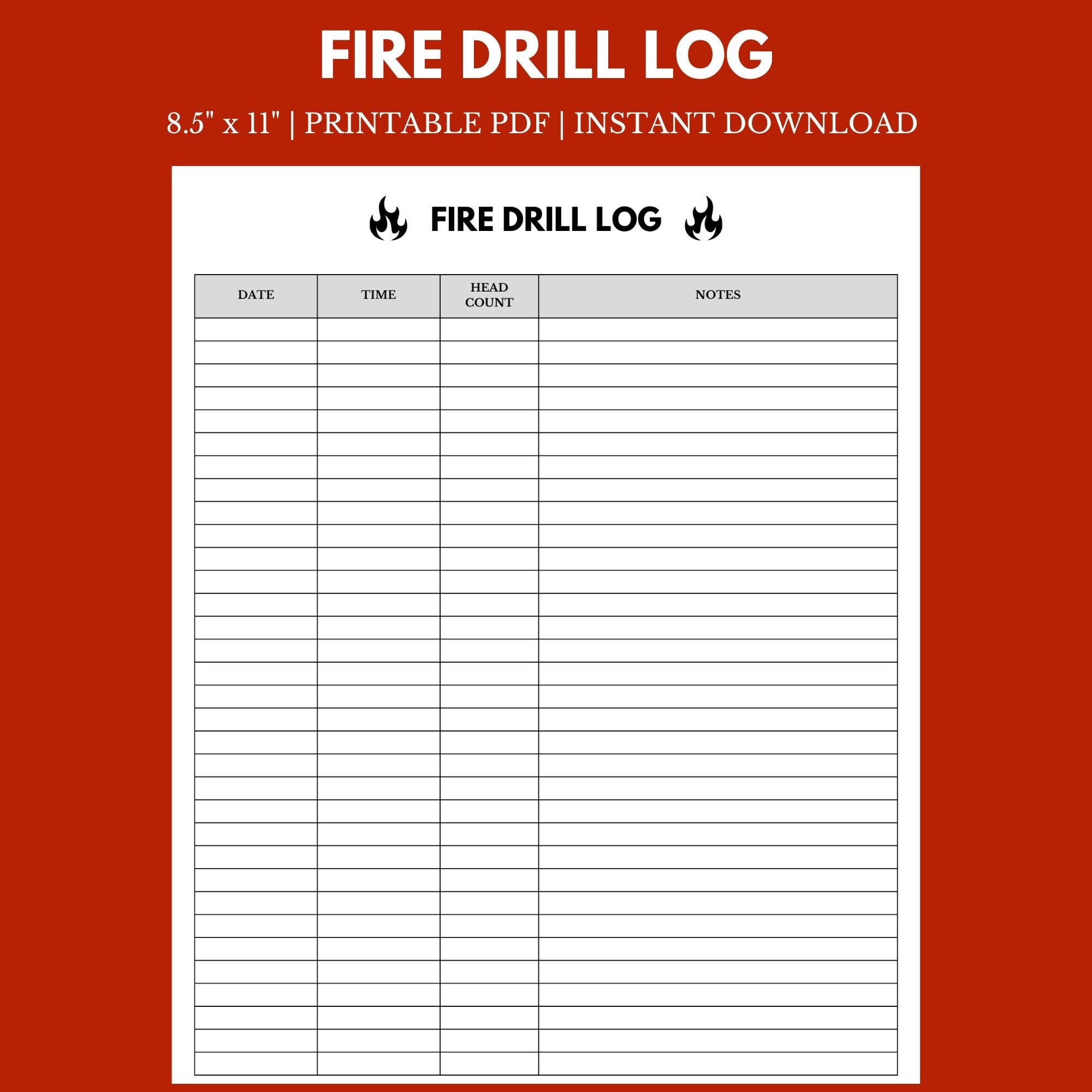
Think about it: during a real emergency, every second counts. Practicing drills helps people react instinctively and calmly. But how do you know if your drills are actually effective, or if there are areas that need improvement? That is where detailed record-keeping comes into play. It provides a clear snapshot of what happened, who did what, and what lessons were learned.
A well-designed template goes beyond mere compliance. It becomes a vital tool for analysis, helping you spot bottlenecks, evaluate evacuation routes, assess the efficiency of your fire safety team, and ultimately enhance your overall emergency preparedness. It allows you to track progress over time and demonstrate due diligence to regulatory bodies.
The Essential Components of an Effective Fire Drill Record Template
When you are looking to create or choose a fire drill record template, you want something comprehensive yet easy to use. It needs to capture all the critical information without becoming a chore to fill out. A good template acts as a structured guide, ensuring no vital detail is overlooked, from the initial alarm to the final all-clear.
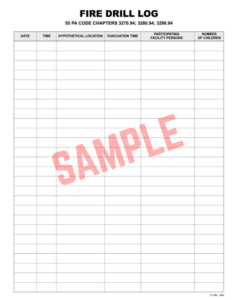
First things first, every template should clearly state the basic administrative details. This includes the date and time the drill commenced, the specific location or building where the drill took place, and who was in charge of overseeing the exercise. Having this information upfront provides context for the entire record.
Next, you will want to document the scenario itself. Was it a planned drill, or did it simulate a specific incident, like a fire on a particular floor? What was the weather like? These environmental factors can sometimes influence evacuation times or procedures, so noting them down can be surprisingly useful for future analysis.
Capturing the human element is crucial. How many people participated in the drill, including staff, visitors, or students? What was the total evacuation time from the moment the alarm sounded until the last person reached the assembly point? This metric is perhaps one of the most important for evaluating efficiency.
Observations made during the drill are priceless. Did everyone follow the designated routes? Were there any blockages or confusion at exits? Did anyone struggle to evacuate, perhaps due to mobility issues? Was the fire alarm system audible throughout the building? Note down any issues encountered, such as non-compliance, slow response times, or faulty equipment. This qualitative feedback is what truly drives improvement.
Finally, a critical section involves post-drill analysis and recommendations. This is where you summarize what went well, what did not, and what actions need to be taken to improve future drills and real-life responses. Assigning responsibility for follow-up actions and setting deadlines ensures that the insights gained from the drill are actually implemented, making your fire safety plan stronger with each practice.
Optimizing Your Fire Drill Practices and Documentation
Simply having a fire drill record template is only half the battle; knowing how to integrate it effectively into your fire safety regime is just as important. Start by reviewing your existing emergency plan to ensure it aligns with current regulations and best practices. Before each drill, communicate the plan clearly to all participants, especially new team members or occupants. A well-informed group tends to perform better and provides more valuable feedback.
During the drill, designate specific observers who are responsible for monitoring different areas and filling out sections of the template. These observers should be trained to look for specific details: did the fire wardens perform their roles effectively? Was communication clear and consistent? Did everyone account for their assigned areas or groups? Their objective input is key to a thorough record.
After the drill, hold a debriefing session with your fire safety team and key stakeholders. This is where you collectively review the completed template, discuss observations, and brainstorm solutions for any identified issues. The collaborative analysis of the fire drill record template helps foster a culture of safety and continuous improvement, turning every drill into a meaningful learning experience rather than just a compliance exercise.
- Ensure all staff know their roles and responsibilities beforehand.
- Vary evacuation routes in different drills to test flexibility.
- Include simulated challenges, like a blocked exit, to test adaptability.
- Gather anonymous feedback from participants to get diverse perspectives.
- Regularly update your fire safety plan based on drill findings.
Adopting a meticulous approach to fire drill record-keeping transforms a routine exercise into a powerful instrument for enhancing safety. It provides an indisputable audit trail of your commitment to protecting lives and property, and it helps you refine your procedures until they are second nature.
By consistently utilizing a well-structured template and acting on the insights it provides, you are not just meeting regulatory requirements; you are proactively building a safer environment for everyone. This dedication to preparedness is invaluable, giving peace of mind that your organization is ready to face an emergency with confidence and competence.