Negative entries on your credit report can severely impact your financial future, affecting everything from loan approvals to housing applications. These blemishes can linger for years, steadily dragging down your credit score and creating significant hurdles. However, many consumers are unaware that they have options to address these issues directly with creditors or collection agencies.
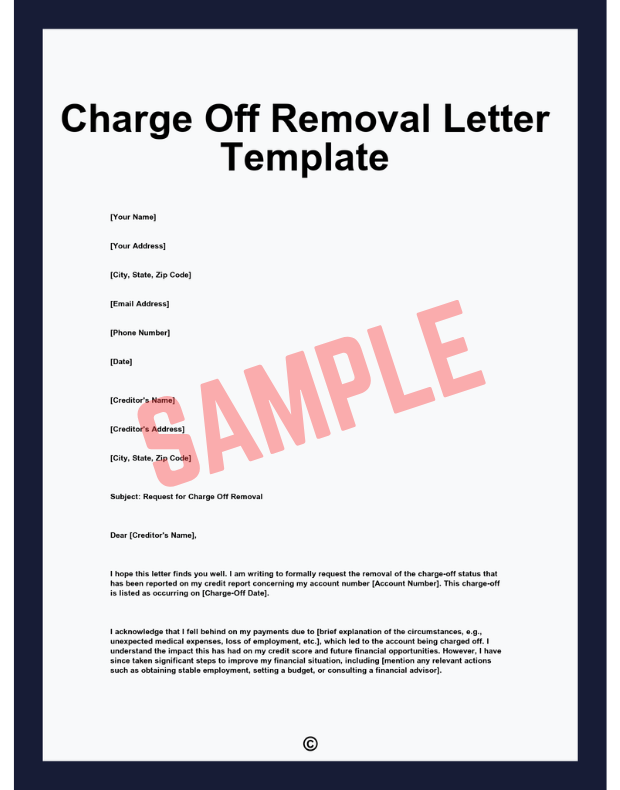
One of the most powerful tools in your credit repair arsenal is a well-crafted negotiation for removal. Learning how to effectively communicate and present your case can lead to the complete deletion of a negative item. This article will guide you through understanding the process and provide a framework to negotiate a complete removal letter template that gets results. We’ll explore the key components of such a letter and outline strategies for successful negotiation.
Understanding Credit Report Item Removals
Dealing with negative marks on your credit report can feel overwhelming, but understanding the options available is the first step towards improvement. While some items, like bankruptcies, are difficult to remove early, others, particularly those from collection agencies, can sometimes be negotiated. This process often involves reaching an agreement for removal in exchange for payment.
What Is A Pay-For-Delete Agreement?
A pay-for-delete agreement is a negotiation where you offer to pay a collection agency or original creditor a certain amount, typically less than the full debt, in exchange for them agreeing to remove the negative entry from your credit report. This is not a guaranteed outcome, as not all creditors or collection agencies will agree to it. However, it’s a common and effective strategy when successful.
It’s crucial to get any pay-for-delete agreement in writing before making a payment. Verbal agreements are often not enforceable and can leave you in a worse position, having paid the debt without the promised credit report removal. Always insist on written confirmation outlining the terms and conditions of the deletion. This written agreement forms the basis of your demand if the item is not removed as promised.
Why A Complete Removal Letter Is Crucial
A complete removal letter serves as your formal request and proposal to the creditor or collection agency. It clearly outlines your offer, whether it’s full payment, a partial payment, or a specific settlement amount, tied directly to the deletion of the negative tradeline from all three major credit bureaus (Equifax, Experian, and TransUnion). This documentation is essential for several reasons.
Firstly, it provides a clear record of your communication and the proposed terms. Secondly, it helps prevent misunderstandings between you and the collector. Lastly, when you negotiate a complete removal letter template, it ensures you include all necessary information, increasing the likelihood of a positive response. Without a clear, written proposal, you might pay a debt only to find the negative mark remains, offering no benefit to your credit score.
Crafting Your Negotiate A Complete Removal Letter Template
The success of your credit repair efforts often hinges on the quality and clarity of your communication. A well-structured letter not only conveys your seriousness but also simplifies the process for the recipient. When preparing to negotiate a complete removal letter template, attention to detail is paramount.
Key Elements Of An Effective Letter
An effective negotiate a complete removal letter template should contain several critical components to maximize its impact. These elements ensure that your request is clear, legally sound, and professional. Missing any of these details could lead to delays or outright rejection of your offer.
Consider including the following points in your letter:
- Your Contact Information: Full name, address, phone, and email.
- Creditor/Collection Agency Information: Full name and address.
- Account Details: Account number, original creditor, and the amount owed.
- Clear Offer: State precisely what you are willing to pay and under what conditions.
- Deletion Clause: Explicitly state that payment is contingent upon the complete removal of the account from all credit reporting agencies.
- Timeline for Deletion: Request removal within 10-15 business days of receipt of payment.
- Agreement in Writing: Emphasize that you require their agreement in writing before any payment is made.
- Dispute Reservation: Include a clause stating that by offering to pay, you are not admitting validity of the debt.
- Payment Method: Indicate your preferred payment method once an agreement is reached.
Sample Negotiate A Complete Removal Letter Template
This sample framework provides a starting point for drafting your own letter. Remember to customize it with your specific details and adapt it to your unique situation. This structure aims for clarity and directness, which are vital for successful negotiations.
[Your Name]
[Your Address]
[Your City, State, Zip Code]
[Your Phone Number]
[Your Email Address]
[Date]
[Collection Agency Name/Original Creditor Name]
[Collection Agency/Original Creditor Address]
[Collection Agency/Original Creditor City, State, Zip Code]
Subject: Pay-For-Delete Offer for Account Number: [Your Account Number]
Dear [Collection Agency Name/Original Creditor Name] or To Whom It May Concern,
This letter concerns the alleged debt associated with account number [Your Account Number], originally with [Original Creditor Name], in the amount of [Original Amount Owed]. Please note that by offering this settlement, I am not admitting to the validity of this debt or waiving any of my rights to dispute it.
My intention is to resolve this matter amicably and in a way that benefits both parties. I am prepared to pay a settlement of [Settlement Amount, e.g., $XXX.XX or XX% of the total amount] as full and final satisfaction of this debt.
This offer is contingent upon your agreement to completely remove all references to this account from all three major credit reporting agencies: Equifax, Experian, and TransUnion. This includes deleting any associated negative remarks, collection accounts, or charge-offs from my credit file entirely, making it appear as if the account never existed.
I require your written agreement to these terms, specifically confirming the complete removal from all credit bureaus, before I will issue any payment. Upon receipt of your written agreement, I will promptly send the agreed-upon payment of [Settlement Amount] within [Number] business days.
I expect the complete removal of this account from my credit reports within 10-15 business days following your receipt of payment. Failure to remove the account as agreed will result in an immediate dispute with the credit bureaus and potential legal action.
Please send your written confirmation of this pay-for-delete agreement to my address listed above. I look forward to your prompt response.
Sincerely,
[Your Name]
Strategies For Successful Negotiation
Having a well-written letter is only one part of the equation; successful negotiation also requires strategy and persistence. Knowing how to approach the collection agency and what to expect can significantly increase your chances of getting that negative entry removed. It’s a delicate balance of firmness and cooperation.
Researching Your Debt
Before you even send your negotiate a complete removal letter template, thorough research is crucial. Understand the specifics of the debt: the original amount, the current balance, when it was opened, when it went to collections, and who the original creditor was. This information empowers you in your negotiations. Verify the debt’s age and if it’s past the statute of limitations in your state, which might give you more leverage.
You should also confirm that the collection agency actually owns the debt or has the legal right to collect it. Requesting debt validation can sometimes reveal that they don’t have the necessary paperwork, which could lead to its removal without payment. This due diligence ensures you’re negotiating from an informed position and not just blindly agreeing to pay.
Following Up And Documentation
After sending your initial letter, follow-up is essential. Collection agencies handle a large volume of accounts, and sometimes your letter might get overlooked. Give them a reasonable amount of time to respond, typically 10-15 business days, before following up with a polite phone call or another letter referencing your initial correspondence. Keep detailed records of all communications.
Document every interaction: the date and time of calls, the name of the person you spoke with, what was discussed, and any promises made. Save copies of all letters sent and received, including certified mail receipts. This comprehensive documentation protects you if the collection agency fails to uphold their end of the bargain after you’ve made a payment based on a verbal or written agreement. Having this proof is critical when you negotiate a complete removal letter template and follow through.
Improving your credit score can feel like an uphill battle, especially when faced with persistent negative entries. However, by proactively engaging with creditors and collection agencies using a strategic approach, you can take control of your financial narrative. Armed with a clear understanding of the process and a robust letter template, you are well-equipped to advocate for your credit health.
Remember that patience and persistence are key throughout this process. Don’t be discouraged by initial rejections, and always prioritize getting agreements in writing before making any payments. Taking these deliberate steps will significantly improve your chances of achieving a clean credit report and a stronger financial future.