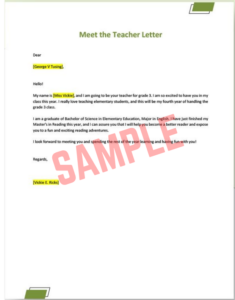
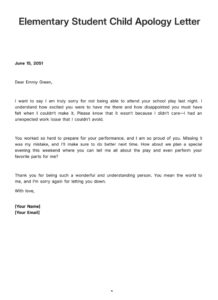
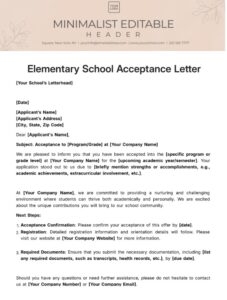
Securing a spot in a competitive program or a desired school for your child often requires more than just good grades and impressive applications. A compelling recommendation letter can significantly boost a student’s profile, offering insights into their character, abilities, and potential that grades alone cannot convey. For educators and parents alike, understanding the components of an effective recommendation is crucial. This article will guide you through the process, providing valuable tips and a practical elementary school recommendation letter template to ensure your student stands out.
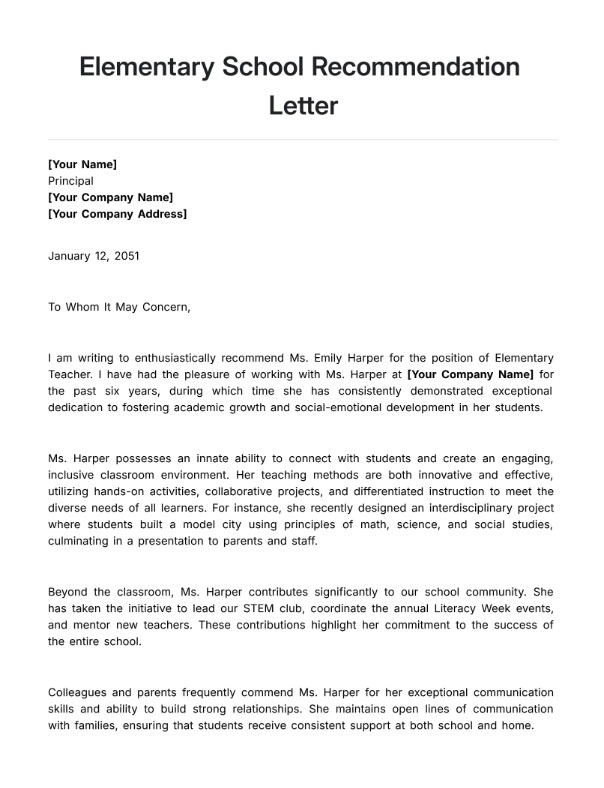
Crafting a strong recommendation can feel daunting, whether you’re a teacher writing on behalf of a student or a parent requesting one. The goal is always to present a holistic and positive image of the child. We’ll delve into what makes a recommendation truly impactful, explore key elements to include, and show you how to tailor your letter to specific situations. By the end of this guide, you’ll be equipped to write or request a recommendation that genuinely highlights a student’s unique strengths and readiness for their next academic adventure.
Crafting an Impactful Recommendation Letter for Young Students
A well-written recommendation letter for an elementary school student goes beyond merely confirming their attendance. It provides a narrative that brings the child to life for the admissions committee, showcasing their personality, academic achievements, and social-emotional development. Such a letter can truly make a difference in a student’s application. It acts as a powerful endorsement from someone who knows the child well in an academic setting.
The best recommendation letters are specific, positive, and offer a clear picture of the child’s readiness for new challenges. They should paint a vivid portrait, highlighting not just what the student does, but how they contribute to their learning environment. This personalized touch is what transforms a standard endorsement into an influential statement.
Key Elements of an Effective Recommendation
An effective recommendation letter typically includes several core components to provide a comprehensive view of the student. It should start with a clear statement of recommendation, followed by a detailed discussion of the child’s attributes. Think about the unique qualities that make the student shine.
Here are the essential sections to consider including:
- Introduction: State your relationship to the student and the purpose of the letter. Clearly recommend the student for the program or school.
- Academic Performance: Discuss the student’s learning style, intellectual curiosity, participation in class, and any specific academic achievements or improvements.
- Character and Social Skills: Describe their personality traits like kindness, resilience, leadership, cooperation with peers, and respect for adults.
- Special Talents or Interests: Mention any unique hobbies, skills, or extracurricular activities that demonstrate their passions or abilities beyond the classroom.
- Specific Examples: Provide one or two brief anecdotes that illustrate the points you’ve made, showing the student’s qualities in action.
- Conclusion: Reiterate your strong recommendation and offer to provide further information if needed.
Each element should contribute to a cohesive and positive portrayal, making it easy for the reader to understand the student’s overall profile. Focus on concrete examples rather than general statements.
Highlighting Unique Student Strengths
To make a recommendation letter truly stand out, focus on specific strengths that differentiate the student from their peers. Think about what makes this particular child special in the classroom and beyond. Generic statements like “John is a good student” are far less impactful than descriptions of specific behaviors.
For example, instead of “She is kind,” you might write, “Sarah consistently demonstrates empathy, often being the first to offer help to classmates who are struggling with a task or feeling down.” This type of detail adds credibility and helps the reader visualize the student. Consider how the child contributes positively to group work or problem-solving situations.
Avoiding Common Pitfalls in Recommendation Writing
While aiming for a positive tone, it’s equally important to avoid certain common mistakes that can weaken a recommendation. One significant pitfall is writing a letter that is too generic or sounds like it could apply to any student. This lack of personalization diminishes the letter’s impact. Always strive for specific, illustrative examples.
Another mistake is including negative or overly critical comments, even if framed constructively. The purpose of a recommendation letter is to advocate for the student, focusing on their positive attributes and potential. If there are areas for improvement, it’s generally best to address those directly with the family rather than in the letter. Furthermore, ensure the letter is free of grammatical errors and typos, as these can detract from its professionalism and perceived credibility.
Customizing Your Elementary School Recommendation Letter Template
An effective elementary school recommendation letter template serves as a strong foundation, but its true power lies in customization. Every student is unique, and every application has distinct requirements. Adapting your letter to fit the specific child and the particular program they are applying to will significantly enhance its effectiveness. Personalization ensures the letter resonates with the admissions committee, directly addressing their criteria and values.
Thinking about the specific context of the application will guide your focus. For example, a recommendation for a gifted program might emphasize critical thinking and problem-solving, while one for a sports-focused school might highlight teamwork and perseverance. Tailoring the content demonstrates thoughtful consideration and genuine support for the student’s aspirations.
Adapting for Different Application Types
Students apply to a wide range of programs, each looking for different qualities. An elementary school recommendation letter template needs to be flexible enough to address these varied needs. For instance, an application for a specialized arts program would benefit from emphasizing creativity, imagination, and dedication to artistic pursuits. A letter for a STEM-focused academy, on the other hand, should highlight curiosity, logical reasoning, and an aptitude for math and science.
Consider the following distinctions when tailoring your letter:
| Application Type | Key Qualities to Emphasize |
|---|---|
| Gifted/Advanced Programs | Critical thinking, advanced reasoning, curiosity, rapid learning, problem-solving. |
| Private Schools | Academic potential, character, leadership, community involvement, social adaptability. |
| Specialized Arts Programs | Creativity, imagination, artistic talent, discipline, passion for the arts. |
| Athletic Programs | Teamwork, sportsmanship, perseverance, physical coordination, leadership on the field. |
| General School Applications | Overall academic performance, positive attitude, social skills, readiness for new challenges. |
Research the school or program’s mission statement and values to understand what they prioritize. Weaving these themes into your letter will show that you’ve done your homework and that the student is a good fit. This strategic alignment can make a significant impact on the application’s outcome.
The Role of Specific Examples and Anecdotes
General statements often fall flat. To truly bring a student’s qualities to life, you must incorporate specific examples and brief anecdotes. These mini-stories illustrate the traits you are describing, making the recommendation much more compelling and memorable. For instance, instead of saying, “She is a great leader,” share a moment when she effectively organized a group project.
Think about instances where the student demonstrated resilience, showed kindness, excelled academically, or solved a problem creatively. “During our unit on ecosystems, Maya independently researched sustainable gardening practices and presented her findings to the class with remarkable clarity and enthusiasm” is much more powerful than a simple declaration of academic prowess. These anecdotes provide concrete evidence of the student’s abilities and character.
Sample Phrases and Structure for Your Letter
While every letter should be unique, having a structural guide can be incredibly helpful. Start with a formal salutation and a clear introductory sentence. Use strong verbs and positive adjectives throughout the letter. The body paragraphs should each focus on a different aspect of the student’s character or abilities, supported by specific examples.
A good closing paragraph reiterates your strong recommendation and offers contact information for further inquiries. Remember, the goal is to create a professional, personal, and persuasive document. Utilizing an elementary school recommendation letter template can simplify this process, allowing you to focus on the unique details that make the student shine.
A well-crafted recommendation letter is an invaluable asset in a child’s academic journey, providing a personal and detailed account of their strengths and potential. By utilizing an effective elementary school recommendation letter template and dedicating time to personalize each component, you empower the student’s application with a powerful endorsement. Remember, the objective is to paint a vivid picture of the student, showcasing not just their academic abilities but also their unique character and contributions to their learning community.
Taking the time to write a thoughtful and specific letter can truly open doors for a young student. It demonstrates genuine support and belief in their capabilities, offering admissions committees invaluable insights. Consider using a structured elementary school recommendation letter template as your starting point, then infuse it with personal anecdotes and details that reflect the individual brilliance of each child. This effort ensures that their application receives the attention and consideration it deserves.