Navigating requests for flexible working arrangements can be a complex but crucial part of modern employment. Employees increasingly seek greater work-life balance, and employers who accommodate these needs often see improved morale and retention. A well-crafted flexible working request response letter template is essential for businesses to communicate clearly, legally, and professionally. This article will guide you through creating effective responses, ensuring compliance and fostering positive employee relations.
Understanding how to properly respond to a flexible work request is not just about saying “yes” or “no.” It involves acknowledging the request, considering various factors, and communicating the decision in a structured and legally sound manner. Whether you’re an employer, HR professional, or a manager, having a reliable template can streamline this process and prevent misunderstandings. Let’s explore the key components and best practices for responding to these important requests.
Crafting an Effective Flexible Working Request Response Letter
Responding to a flexible working request requires thoughtful consideration and a clear communication strategy. An effective response should address the employee’s request directly, explain the decision, and outline any next steps. This approach ensures transparency and maintains trust within the workplace.
The decision-making process typically involves reviewing business needs, operational capacity, and the specific details of the employee’s proposal. Factors such as team coverage, client demands, and the nature of the role are often weighed. It’s crucial to document this process to demonstrate fairness and consistency.
When drafting your response, consider whether you are approving, declining, or proposing an alternative arrangement. Each scenario requires a slightly different tone and set of information. Regardless of the outcome, the letter should be professional, respectful, and compliant with relevant labor laws.
A standardized flexible working request response letter template helps ensure all necessary information is included. This reduces the risk of legal challenges and provides a consistent framework for all responses. It also saves time for HR and management by providing a ready-to-use structure.
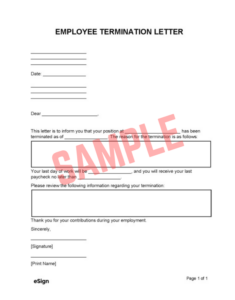
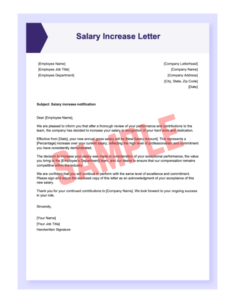
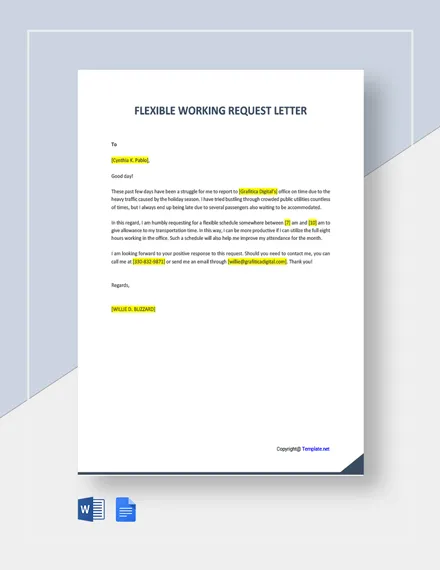
Here is a sample flexible working request response letter template that you can adapt for your organization:
[Your Company Letterhead]

[Date]

[Employee's Name]
[Employee's Address]

Subject: Response to Flexible Working Request

Dear [Employee's Name],

Thank you for your formal request for flexible working arrangements, submitted on [Date of Request]. We acknowledge receipt of your application to [briefly state the requested change, e.g., work a four-day week, adjust start/end times, work remotely].

We have carefully reviewed your request, considering [mention specific considerations, e.g., business needs, team impact, client requirements, operational capacity, impact on colleagues]. Our assessment involved [briefly describe process, e.g., meeting with your manager, consulting with relevant departments].

**[Choose ONE of the following sections and delete the others]:**

**Option 1: Request Approved**

We are pleased to inform you that your flexible working request is approved. Your new working arrangement will commence on [Start Date] and will involve [detail the approved arrangement, e.g., working Tuesday to Friday, working from 9:00 AM to 5:00 PM, working remotely three days a week].

Further details regarding this arrangement, including any necessary adjustments to your contract or terms of employment, will be discussed with you by [Manager's Name/HR Department] by [Date]. We believe this arrangement will be beneficial for both you and the company.

**Option 2: Request Approved with Modifications / Alternative Proposed**

We have carefully considered your request and are able to approve a modified version of your flexible working arrangement. While we cannot accommodate [original request detail], we are pleased to offer [detail the modified arrangement/alternative, e.g., working remotely two days a week instead of five, a compressed work week with different hours].

This alternative proposal aims to balance your preferences with our operational needs. We would like to schedule a meeting with you on [Date] at [Time] to discuss this proposal further and clarify any questions you may have. Please contact [Contact Person] to confirm your availability.

**Option 3: Request Declined**

After careful consideration, we regret to inform you that we are unable to approve your flexible working request at this time. Our decision is based on [state specific business reasons, e.g., detrimental impact on ability to meet customer demand, inability to reorganize work among existing staff, planned structural changes, insufficient work during the periods the employee proposes to work].

We understand this news may be disappointing. We are committed to supporting our employees where possible and encourage you to discuss your concerns with your manager, [Manager's Name], to explore other potential solutions or support options. Please note that you have the right to appeal this decision within [Number] days of receiving this letter. Information on the appeal process can be provided by [HR Department].

**[End of conditional sections]**

Thank you for your continued dedication to [Company Name]. We value your contribution and look forward to your ongoing commitment.

Sincerely,

[Your Name]
[Your Title]
[Company Name]
This comprehensive template covers the main scenarios an employer might face. It provides clear placeholders for all critical information, ensuring consistency. Using a structured flexible working request response letter template also ensures that the communication aligns with internal policies and external legal requirements, such as those related to employment law.
The judicious use of a well-structured flexible working request response letter template streamlines a critical HR process. It ensures clear, consistent, and legally compliant communication with employees regarding their requests for flexible work arrangements. Employers benefit from increased efficiency and reduced risk of disputes.
Ultimately, a thoughtful response, whether approving, modifying, or declining, demonstrates an employer’s commitment to fair treatment and open communication. By providing a clear and professional message, companies can maintain positive employee relations, even when difficult decisions must be made.