Overtime, when managed effectively, can be a valuable tool for businesses to meet peak demands and accelerate project completion. However, unauthorized overtime, where employees work unapproved hours, can quickly become a significant drain on resources, create legal risks, and negatively impact workplace morale. Addressing this issue promptly and professionally is crucial for any organization. This is where an effective unauthorized overtime warning letter template becomes an indispensable tool for HR professionals and managers.
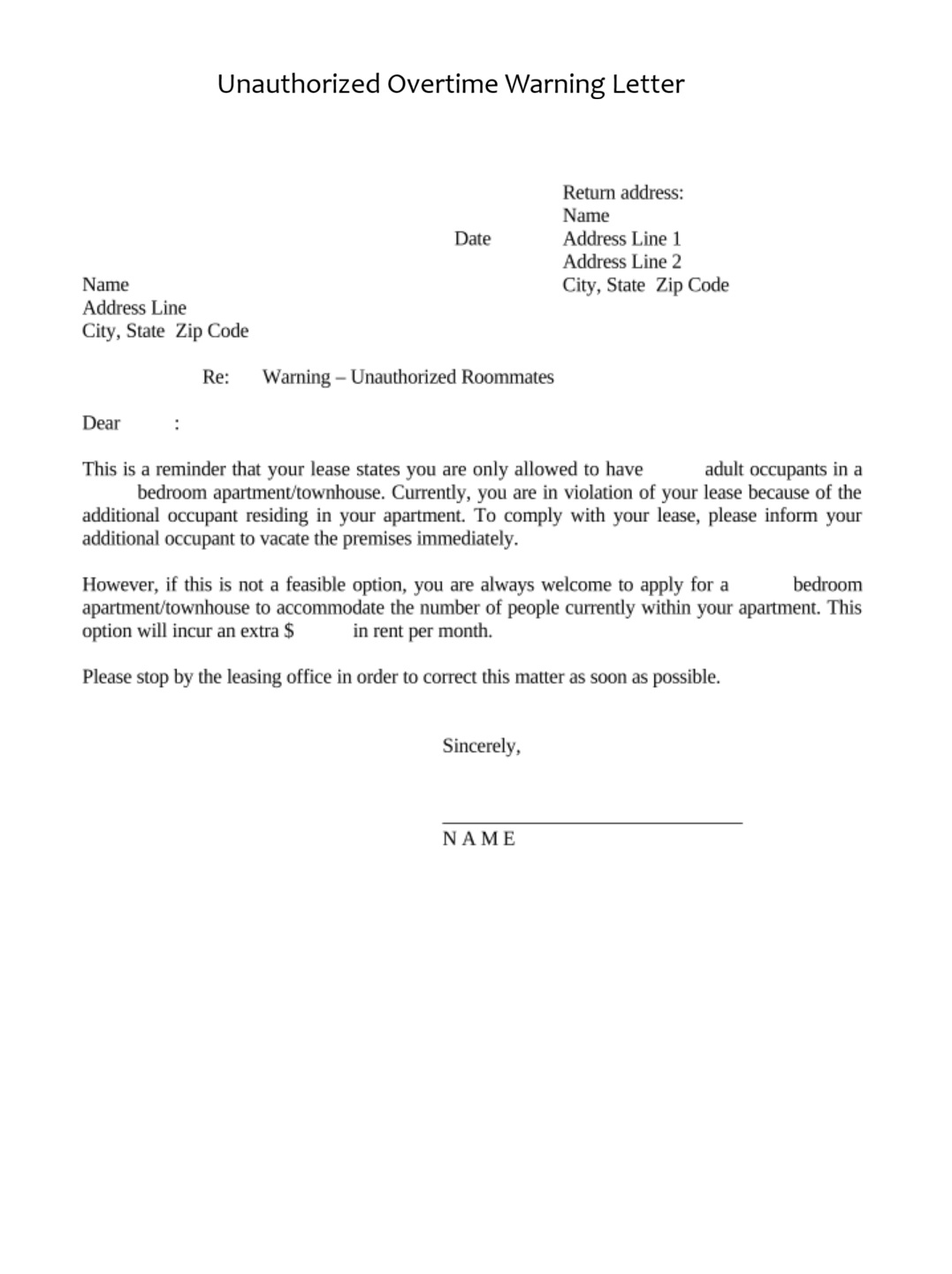
Navigating situations involving unapproved work hours requires a delicate balance of clear communication, fair process, and firm policy enforcement. Ignoring unauthorized overtime can lead to inflated payroll costs, compliance issues with labor laws, and a perception of inconsistency within the workforce. A well-crafted formal warning helps to clarify expectations, document incidents, and guide employees back to compliance with company policy.
This comprehensive guide explores the complexities of unapproved work, its far-reaching business implications, and provides actionable insights for crafting and issuing a professional unauthorized overtime warning letter template. You will learn the essential components of such a letter and understand the step-by-step process for its effective deployment, ensuring your business maintains control over its labor costs and promotes a culture of accountability.
Understanding Unauthorized Overtime and Its Impact on Your Business
Unauthorized overtime, often referred to as “off-the-clock” work or unapproved extra hours, occurs when an employee works beyond their scheduled shift or designated hours without prior approval from a manager or supervisor. This can happen for various reasons, some intentional and some unintentional, but its impact on a business can be substantial and multifaceted. Managing this issue is critical for both financial stability and legal compliance.
Why Employees Work Unapproved Hours
Employees may work unapproved hours for a variety of reasons, some stemming from a genuine desire to perform well, while others might indicate underlying issues within the workplace. Understanding these root causes can help develop strategies to prevent unauthorized overtime from occurring.
Sometimes, employees face an overwhelming workload or tight deadlines and feel compelled to work extra hours to complete tasks. They might believe they are being proactive or fear negative repercussions if work isn’t finished on time. A lack of clarity regarding company policies on overtime authorization can also lead to misunderstandings, where an employee might not realize their extra work requires explicit permission. Poor time management skills or inefficiency can also contribute, as employees struggle to complete their tasks within regular working hours.
The Business Repercussions of Unsanctioned Work
The consequences of unauthorized overtime extend far beyond just increased payroll expenses. Businesses face a range of risks, from financial drains to potential legal battles, if unapproved work hours are not properly addressed.
- Financial Drain: Unsanctioned work directly leads to inflated wage costs, impacting the company’s budget unnecessarily. This can significantly reduce profitability and operational efficiency.
- Productivity Paradox: While seemingly dedicated, employees working excessive, unapproved hours often experience burnout, leading to decreased quality of work, increased errors, and lower overall productivity. This negates any perceived benefit of extra time spent.
- Legal and Compliance Risks: Federal and state labor laws, such as the Fair Labor Standards Act (FLSA), mandate that non-exempt employees must be paid for all hours worked, even if those hours were unauthorized. Failure to do so can result in costly wage and hour lawsuits, back pay, fines, and penalties. Studies suggest that wage and hour disputes, including those related to overtime, are a persistent legal challenge for employers across various industries.
- Employee Morale and Fairness: Inconsistent application of overtime policies can lead to resentment among employees who adhere to the rules. It can create a perception of unfairness if some workers are “getting away with” unapproved hours while others are disciplined. This erosion of trust can damage team cohesion and overall workplace morale.
- Inaccurate Project Costing: If actual hours worked don’t align with planned and approved hours, it becomes difficult to accurately estimate project costs and timelines. This can disrupt future planning and budgeting, leading to operational inefficiencies.
Addressing these repercussions quickly is paramount. A formal process, initiated with an unauthorized overtime warning letter template, helps to document the issue, communicate expectations, and mitigate future risks.
Crafting an Effective Unauthorized Overtime Warning Letter
When it becomes necessary to address unauthorized overtime, issuing a formal warning letter is a critical step in the disciplinary process. This letter serves as official documentation, clearly communicates the violation, outlines expectations for future conduct, and informs the employee of potential consequences. The goal is to correct behavior while maintaining a fair and professional approach.
Key Elements of a Formal Warning Letter
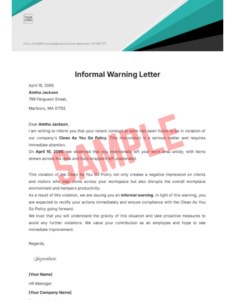
A well-structured unauthorized overtime warning letter template should be objective, factual, and clear in its message. It needs to provide all necessary information without being accusatory or emotional, ensuring legal defensibility and clarity for the employee.
- Employee and Company Information: Start with the employee’s name, job title, department, and the date of the letter. Include your company’s name and address.
- Clear Statement of Purpose: Directly state that the letter is a formal warning regarding unauthorized overtime.
- Specific Incidents and Dates: Detail the exact dates, times, and duration of the unauthorized overtime occurrences. Provide concrete evidence, such as time card discrepancies or eyewitness accounts. For example, “On [Date], you recorded [X] hours of work beyond your scheduled shift without prior authorization from your supervisor.”
- Reference to Company Policy: Clearly cite the specific company policy regarding overtime approval that was violated. This demonstrates that the warning is based on established rules, not arbitrary decisions.
- Impact of the Violation: Briefly explain the negative impact of the unauthorized overtime on the company, such as increased costs or disruption to operations.
- Expected Future Conduct: State clearly what is expected from the employee moving forward, emphasizing the need to obtain prior approval for all overtime hours.
- Consequences of Future Violations: Outline the potential disciplinary actions if unauthorized overtime continues. This could range from further warnings to suspension or even termination, depending on company policy and the severity of the repeated offense.
- Opportunity for Response/Explanation: Offer the employee a chance to discuss the matter, provide their perspective, or ask questions. This promotes fairness and understanding.
- Acknowledgement of Receipt: Include a space for the employee’s signature to acknowledge receipt of the letter, not necessarily agreement with its contents.
- Manager and HR Signatures: Ensure the letter is signed by the appropriate manager and an HR representative.
| Element | Purpose | Example Content |
|---|---|---|
| Date & Recipient Info | Official documentation | Date, Employee Name, Title, Department |
| Clear Purpose | States the reason for the letter | “Formal Warning for Unauthorized Overtime” |
| Specific Incidents | Provides factual evidence | “On 2023-10-26, you worked 2.5 hours past your shift without approval.” |
| Policy Reference | Justifies the warning based on rules | “In violation of Company Policy 4.1.2 on Overtime Authorization.” |
| Expected Conduct | Sets future behavioral standards | “All overtime must be pre-approved by a supervisor.” |
| Consequences | Informs of potential disciplinary actions | “Further unauthorized overtime may lead to additional disciplinary action, up to and including termination.” |
| Acknowledgement | Confirms employee received the letter | Employee Signature Line, Date |
A Step-by-Step Guide to Issuing the Letter
Issuing an unauthorized overtime warning letter template should be part of a structured process to ensure fairness, consistency, and compliance with company policies and labor laws.
- Investigation: Before drafting any letter, thoroughly investigate the reported unauthorized overtime. Review time records, security logs, project completion data, and speak with the employee’s direct supervisor and any relevant colleagues. Gather irrefutable facts and specific dates, times, and contexts.
- Consult HR/Legal: Always involve your HR department and, if necessary, legal counsel. They can ensure the letter complies with all applicable labor laws, internal policies, and past practices, minimizing legal risks. This step is crucial for maintaining a consistent approach to disciplinary actions.
- Draft the Letter: Using your comprehensive unauthorized overtime warning letter template, fill in all the specific details from your investigation. Ensure the language is professional, objective, and non-emotional. Double-check for accuracy in dates, times, and policy references.
- Schedule a Meeting: Arrange a private meeting with the employee. It is advisable to have at least two management representatives present—typically the employee’s direct manager and an HR representative. This ensures objectivity and provides a witness to the conversation.
- Conduct the Meeting: During the meeting, clearly explain the purpose of the discussion. Present the evidence of unauthorized overtime and refer to the specific company policy. Allow the employee an opportunity to explain their actions and provide their perspective. Listen attentively and take notes.
- Issue the Letter: After the discussion, formally present the unauthorized overtime warning letter to the employee. Review the contents of the letter with them, emphasizing the expectations for future conduct and the potential consequences of further violations.
- Obtain Acknowledgement: Ask the employee to sign the letter to acknowledge receipt. If the employee refuses to sign, note their refusal on the letter, and have the management representatives sign as witnesses to the refusal. Do not force a signature.
- Documentation: Place a copy of the signed (or noted refusal) letter, along with any supporting documentation from your investigation, in the employee’s official personnel file. This creates a clear record for future reference.
- Follow-Up: After issuing the warning, closely monitor the employee’s adherence to overtime policies. Provide support if the unauthorized overtime stemmed from workload issues or a need for better time management skills. Consistent follow-up demonstrates commitment to policy enforcement and employee development.
Effectively managing unauthorized overtime requires a proactive approach, starting with clear policies and culminating in a fair, well-documented disciplinary process. A robust unauthorized overtime warning letter template is a cornerstone of this process, enabling businesses to address issues decisively, protect their interests, and foster a culture of accountability and compliance. By utilizing the insights provided, organizations can confidently manage unapproved work hours, ensuring a more productive and legally sound workplace. This structured approach not only addresses immediate concerns but also reinforces the importance of clear communication and adherence to established guidelines across the entire workforce.