Cooling towers are unsung heroes in many industrial and commercial settings, quietly working to dissipate heat and keep essential systems running smoothly. From power plants to hospitals, data centers to manufacturing facilities, these structures play a critical role in maintaining optimal operating temperatures. However, beneath their unassuming exterior lies a potential for significant risks that, if not properly managed, can lead to serious health hazards, operational disruptions, and costly legal ramifications.

Understanding and mitigating these risks isn’t just a good practice; it’s often a legal imperative. This is where a robust and comprehensive approach to risk management becomes indispensable. Having a reliable cooling tower risk assessment template can transform a complex, daunting task into a structured, manageable process, ensuring all potential dangers are identified, evaluated, and controlled effectively to protect both people and property.
Why a Robust Cooling Tower Risk Assessment is Non-Negotiable
The most widely recognized and feared risk associated with cooling towers is the proliferation of Legionella bacteria. These microscopic organisms thrive in warm, stagnant water, and cooling towers, if not meticulously maintained, can become ideal breeding grounds. When aerosolized water droplets containing Legionella are inhaled, they can cause Legionnaires’ disease, a severe and potentially fatal form of pneumonia. The public health implications, combined with the stringent legal requirements and potential for hefty fines and reputational damage following an outbreak, make Legionella control a paramount concern for any facility operating a cooling tower.
Beyond biological hazards, cooling towers present a range of other significant risks. Mechanical failures, such as fan breakdowns, pump malfunctions, or structural integrity issues, can lead to costly downtime, operational inefficiencies, and even catastrophic failures. Chemical hazards are another area of concern, stemming from the use of various water treatment chemicals like biocides, scale inhibitors, and corrosion inhibitors. Improper handling, storage, or application of these chemicals can pose risks to maintenance personnel and the environment, further underscoring the need for a comprehensive assessment.
Neglecting a thorough risk assessment doesn’t just put public health at risk; it also exposes your organization to considerable financial and operational vulnerabilities. An unexpected shutdown due to a system failure or an outbreak can halt production, disrupt services, and incur massive repair or remediation costs. Furthermore, regulatory bodies are increasingly vigilant, and non-compliance with health and safety standards can result in severe penalties and legal challenges. A proactive approach, guided by a detailed assessment, is your best defense against these potential pitfalls.
This systematic evaluation isn’t just about ticking boxes; it’s about fostering a culture of safety and operational excellence. By regularly assessing the unique risks pertinent to your specific cooling tower setup and operational context, you can implement targeted control measures, allocate resources effectively, and ensure continuous improvement in safety protocols. It turns reactive problem-solving into proactive prevention, giving you peace of mind and protecting your bottom line.
Key Areas Covered in a Comprehensive Risk Assessment
- Hazard Identification: Pinpointing all potential risks, including biological (Legionella and other pathogens), chemical (treatment chemicals, corrosion byproducts), and physical (mechanical failures, electrical issues, access safety).
- Exposure Assessment: Evaluating who might be exposed to these hazards (employees, contractors, public) and the nature and extent of that exposure.
- Existing Control Measures Evaluation: Scrutinizing the effectiveness of current preventative and control measures already in place, such as water treatment programs, maintenance schedules, and monitoring protocols.
- Risk Level Determination: Assessing the likelihood of a hazard occurring and the severity of its potential consequences, often using a risk matrix to prioritize actions and allocate resources effectively.
- Recommendation of Further Control Measures: Proposing additional or improved strategies to eliminate or reduce identified risks to an acceptable level, including engineering controls, administrative controls, and personal protective equipment.
- Review and Update Schedule: Establishing a routine for re-evaluating the assessment, especially after significant changes to the system, operations, or regulatory requirements, or following an incident.
Building Your Own Effective Cooling Tower Risk Assessment Template
Creating your very own cooling tower risk assessment template might seem like a daunting task, but it’s essentially about structuring good practices into a repeatable process. Start by recognizing that while there are common elements, your template should be tailored to your specific facility’s unique operational environment, system design, and local regulations. A generic template is a starting point, but customization ensures it’s truly effective for your needs. Think of it as a living document that evolves with your operations.
The foundation of any good template begins with thorough data gathering. This involves collecting detailed information about your cooling tower system itself. You’ll need specifications like its age, capacity, type, and location. Beyond the hardware, gather all relevant operational data: existing water treatment programs, chemical usage logs, maintenance records, and any previous incident reports. The more information you can consolidate upfront, the more accurate and comprehensive your risk assessment will be, allowing for truly informed decisions.
Next, your template should guide you through the operational aspects that directly impact risk. This includes regular inspection schedules for mechanical integrity, water sampling and testing protocols for microbial growth and chemical parameters, and detailed procedures for handling and storing treatment chemicals. Don’t forget emergency response plans – what happens if there’s a leak, a power outage affecting water treatment, or a suspected outbreak? Having these procedures clearly defined is critical for swift and effective action.
Finally, a robust cooling tower risk assessment template must clearly define roles, responsibilities, and training requirements. Who is accountable for overseeing the cooling tower’s operation and maintenance? Who performs inspections, conducts water testing, or manages chemical supplies? Ensuring that all personnel involved are adequately trained and understand their duties is paramount. Regular refresher training and clear communication channels are essential to maintaining a high standard of safety and compliance over time, minimizing human error and fostering a culture of accountability.
- Cooling Tower System Details: Record specific data like location, manufacturer, model, capacity, age, and typical operating parameters.
- Hazard Identification & Analysis: A section dedicated to listing potential biological (Legionella), chemical (treatment chemicals, byproducts), and physical (structural, mechanical, electrical) hazards specific to your setup.
- Existing Control Measures: Document all current preventive controls, including water treatment regime, filtration, maintenance schedules, and monitoring frequency.
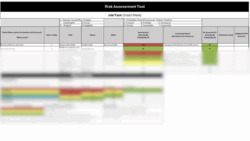
- Risk Matrix/Scoring: A method to evaluate the likelihood and severity of each identified hazard, allowing for prioritization of risks (e.g., Low, Medium, High).
- Recommended Actions & Improvement Plan: For each high or medium risk, specify corrective or additional preventative actions, assigned responsibilities, and target completion dates.
- Documentation & Review: A section for signatures, dates of assessment, and a schedule for periodic reviews and updates, ensuring the template remains current and effective.
Implementing a well-structured cooling tower risk assessment template is more than just a compliance exercise; it’s a strategic investment in the health and safety of your workforce and the operational continuity of your facility. By systematically identifying, evaluating, and mitigating potential hazards, you create a safer environment, minimize costly disruptions, and safeguard your organization’s reputation. It allows for a proactive stance, turning potential problems into manageable situations before they escalate.
Ultimately, the continuous application and regular review of your risk assessment processes foster an environment of vigilance and responsibility. It ensures that your cooling towers, while vital to your operations, are managed with the utmost care, reflecting a commitment to best practices and the well-being of everyone potentially affected. This ongoing dedication to safety is what truly differentiates a compliant operation from an exemplary one, building trust and ensuring long-term success.