Working as a nurse is incredibly rewarding, but let’s be honest, it often comes with a demanding and sometimes unpredictable schedule. The constant juggle of shifts, the stress of knowing when you’ll next have a solid block of time off, and the challenge of planning your personal life around work can take a significant toll. Many nurses dream of a more stable routine, one that allows for better rest, personal development, and quality time with loved ones without sacrificing the vital care they provide.
Imagine a world where your work schedule isn’t a puzzle piece that constantly changes, but a predictable rhythm that supports your well-being. That’s where a well-designed block schedule template for nurses comes into play. This approach to staffing offers a structured and consistent pattern of shifts, providing a much-needed sense of stability and control in a profession known for its relentless pace. It’s about creating a win-win scenario for both the nursing staff and the healthcare facility, leading to happier nurses and improved patient care.
Understanding the Power of a Block Schedule for Nursing Teams
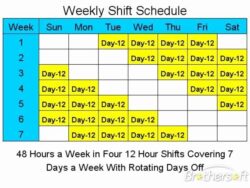
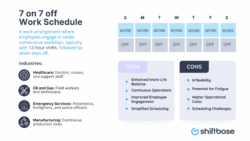
A block schedule essentially groups shifts together into consistent blocks of time, followed by a set period of time off. Instead of fragmented days here and there, nurses work a sequence of shifts, like three 12-hour shifts, followed by four days off, or perhaps seven consecutive shifts followed by seven days off. This predictability is a breath of fresh air compared to traditional rotating schedules where shifts might change from week to week, making it almost impossible to plan anything significant in advance. It offers a clear rhythm, allowing nurses to anticipate their workdays and personal time with much greater accuracy.
This structured approach doesn’t just benefit individual nurses; it has profound implications for the entire healthcare unit. When staff know their schedules well in advance, it reduces last-minute shift swaps, decreases the likelihood of call-outs due to burnout, and generally fosters a more organized environment. For managers, it simplifies staffing challenges, making it easier to ensure adequate coverage while distributing the workload more equitably among team members. The reduction in scheduling complexities allows for more focus on patient care and operational efficiency.
Beyond the logistical advantages, block scheduling often leads to a more rested and engaged nursing workforce. When nurses have consistent, longer blocks of time off, they can truly disconnect, recover, and pursue hobbies or spend time with family. This improved work-life balance translates directly into higher morale, reduced stress, and a greater sense of job satisfaction. A stable schedule can also improve continuity of care, as patients see familiar faces more often, fostering better relationships between patients and their primary nurses.
Implementing a block schedule requires careful planning and consideration of a unit’s specific needs, patient census fluctuations, and the preferences of the nursing staff. It’s not a one-size-fits-all solution, but rather a framework that can be adapted to suit various clinical settings, from intensive care units to outpatient clinics. The key is to find a balance that supports both operational requirements and the well-being of the dedicated nursing team.
Key Benefits for Nurses and Healthcare Facilities
- Enhanced Work-Life Balance: Predictable time off allows for better personal planning and reduced stress.
- Improved Continuity of Care: Consistent staffing patterns can lead to better patient outcomes and stronger nurse-patient relationships.
- Reduced Commute Stress: Fewer individual trips to work over a given period, even if shifts are longer.
- Better Rest and Recovery: Longer blocks of time off enable nurses to fully recuperate from demanding shifts.
- Simplified Personal Planning: Easier to schedule appointments, vacations, and family events.
Crafting Your Ideal Block Schedule Template
Developing an effective block schedule template for nurses involves more than just plugging names into a spreadsheet; it requires a thoughtful approach to ensure it meets the diverse needs of both the nursing staff and the healthcare facility. The process typically begins with understanding the unit’s unique demands, such as peak patient times, specific skill sets required for different shifts, and the overall staffing ratios needed for safe and efficient care. Engagement from the nursing team itself is crucial, as their input can highlight practical considerations that might otherwise be overlooked.
Once the foundational needs are understood, consider the various block durations that could work. Common patterns include 3-on/4-off (three 12-hour shifts followed by four days off), 4-on/3-off, or even longer cycles like 7-on/7-off. The choice often depends on the type of unit, the typical length of shifts (8-hour, 10-hour, or 12-hour), and the preferences of the staff. Remember that while consistency is a goal, some flexibility might still be necessary to accommodate unexpected absences or fluctuations in patient volume, so building in some contingency is wise.
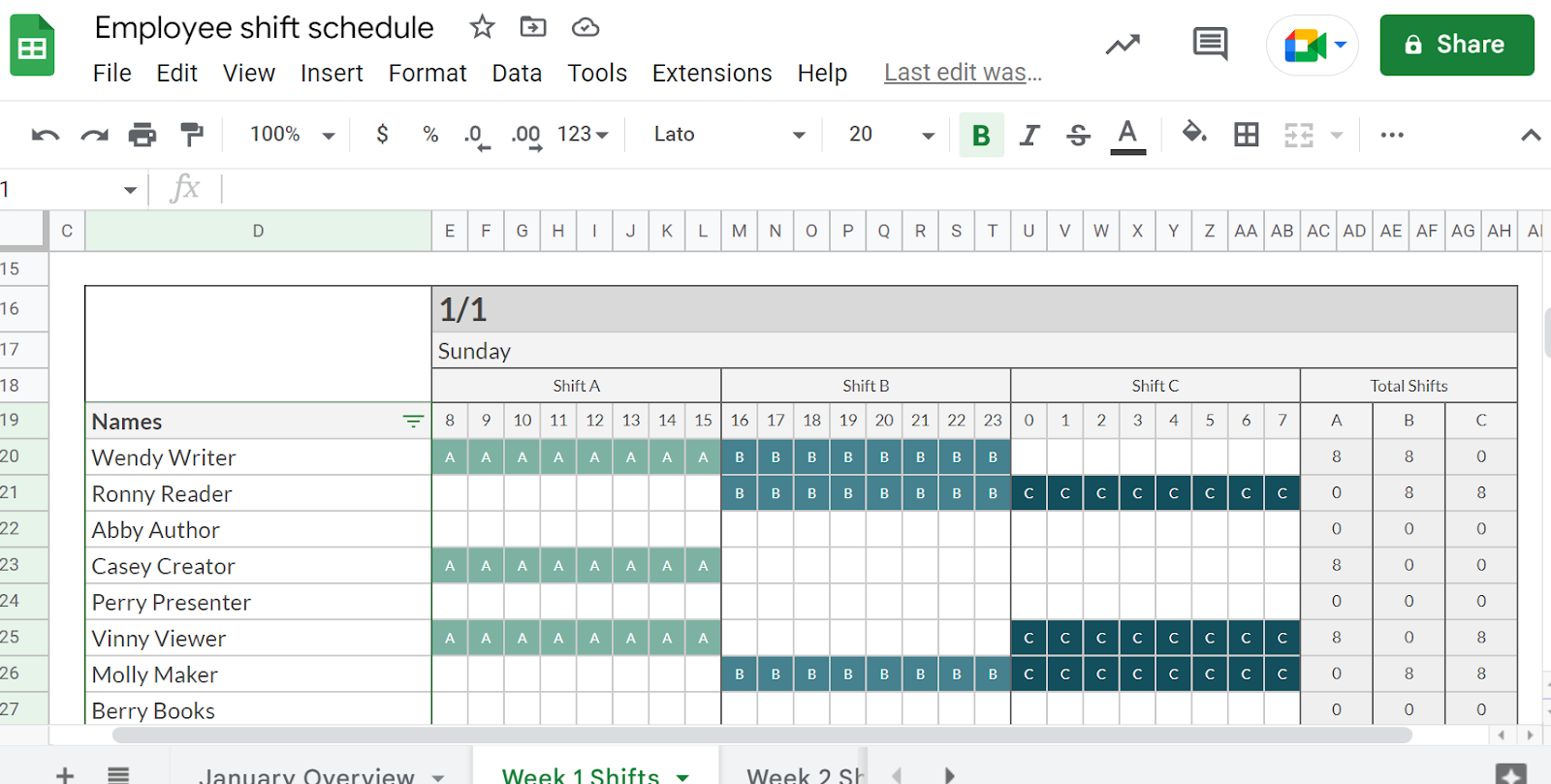
Leveraging technology can significantly streamline the creation and management of a block schedule template. While basic spreadsheets can work, dedicated scheduling software often provides more robust features, such as automated shift assignments, tracking of hours, and easy communication channels for shift swaps or requests. These tools can also help ensure compliance with labor laws regarding breaks and overtime, making the entire process more efficient and less prone to errors. Regardless of the tool, the goal is to create a transparent system that all nurses can easily understand and access.
Finally, remember that the first iteration of any block schedule might not be perfect. It’s often beneficial to implement a trial period, gather feedback from the nursing staff and management, and be prepared to make adjustments. An open dialogue and a willingness to adapt are key to a successful implementation. The ultimate aim is a schedule that supports the demanding nature of nursing while fostering a sustainable and positive work environment, recognizing that a well-rested nurse is a more effective and compassionate caregiver.
The commitment to implementing a well-structured block schedule template for nurses truly represents an investment in the most valuable asset of any healthcare system: its people. By fostering predictability, promoting work-life balance, and reducing the administrative burden of constant scheduling changes, facilities can empower their nursing staff to thrive. This forward-thinking approach not only enhances the daily lives of individual nurses but also contributes to a stronger, more resilient, and more effective healthcare team overall.
Ultimately, embracing a block scheduling model can lead to a more harmonious and efficient work environment, benefiting everyone involved. Nurses gain a clearer path to personal well-being, while healthcare organizations benefit from improved staff retention, reduced burnout, and the consistent delivery of high-quality patient care. It’s a powerful step towards building a sustainable and supportive future for the nursing profession.