Taking charge of your health often involves keeping a close eye on various indicators, and your blood pressure is definitely high on that list. Regularly monitoring your blood pressure at home can provide invaluable insights into your cardiovascular health, empowering you to make informed decisions alongside your healthcare provider. To make this process straightforward and effective, having a reliable blood pressure record template is an absolute game-changer. It transforms a scattered collection of numbers into an organized, actionable health diary.
The importance of consistent blood pressure tracking extends far beyond simply getting a reading here and there. It helps paint a comprehensive picture of your health trends over time, revealing patterns that a single doctor’s visit might miss. These patterns can be crucial for understanding how daily activities, stress, diet, and medications impact your numbers.
Without a structured way to log these readings, it is easy to forget important details or misplace vital information. A well-designed template helps you capture not just the numbers, but also context like the time of day, your mood, or any medication taken. This complete overview is what truly assists both you and your doctor in navigating your health journey effectively.
Why Consistent Blood Pressure Monitoring Matters So Much
Understanding your blood pressure trends over time is perhaps one of the most proactive steps you can take for your long-term health. It’s not just about catching high blood pressure, though that’s certainly a critical aspect. Consistent monitoring can help identify subtle fluctuations, understand the impact of lifestyle changes, and ensure any prescribed medications are working as they should. Think of it as creating a personal health narrative that speaks volumes about your body’s unique responses.
One of the primary reasons doctors recommend home monitoring is to counteract what is known as “white-coat hypertension.” This is when your blood pressure temporarily spikes in a clinical setting due due to anxiety, even if it is normally within a healthy range. Conversely, home monitoring can also uncover “masked hypertension,” where readings are normal in the doctor’s office but elevated at home. Both scenarios highlight the need for a consistent, relaxed home environment for accurate data collection.
Tracking your readings regularly also provides immediate feedback on your lifestyle choices. Did you have a particularly stressful day at work? Did you opt for a salty meal? How did that morning walk affect your numbers? Over time, these observations can help you draw connections between your daily habits and your cardiovascular health, encouraging positive behavioral changes that contribute to overall well-being.
Furthermore, for individuals managing conditions like hypertension, diabetes, or kidney disease, consistent blood pressure data is indispensable for medication management. Your doctor can use your log to fine-tune dosages, switch medications, or assess their effectiveness, ensuring you are on the most appropriate treatment plan with the fewest side effects. It takes the guesswork out of adjustments and provides concrete evidence for informed decisions.
The psychological benefit of regular monitoring should not be underestimated either. Taking an active role in your health care can be incredibly empowering. Knowing your numbers and understanding their significance gives you a sense of control and encourages adherence to treatment plans. It transforms you from a passive patient into an active participant in your own health journey.
Empowering Your Healthcare Journey
By diligently logging your blood pressure, you are not just collecting data; you are creating a powerful tool for dialogue with your healthcare provider. Instead of relying on fragmented memories or a single reading taken during an office visit, you arrive armed with a comprehensive data set. This allows for more precise diagnoses, more effective treatment adjustments, and a truly collaborative approach to managing your health. It moves beyond symptomatic treatment to a more holistic, data-driven strategy for sustained wellness.
Crafting Your Ideal Blood Pressure Record Template
When it comes to effectively tracking your blood pressure, the tool you use—your blood pressure record template—can make all the difference. A good template should be intuitive, easy to use, and comprehensive enough to capture all the essential information without being overwhelming. It should serve as a practical diary that you can quickly fill out and easily review with your doctor.
The best templates offer flexibility, allowing you to include notes about anything that might influence your reading, such as recent activity, stress levels, or even the time you took your medication. This contextual information is incredibly valuable, as blood pressure is not static; it fluctuates throughout the day and is influenced by a multitude of factors. A thoughtfully designed template turns simple numbers into a rich data set.
Ultimately, your blood pressure record template should be a personal health companion that simplifies the task of monitoring. Whether you choose a digital app, a printable PDF, or a handwritten journal, the goal is to establish a routine that encourages consistent tracking and makes it easy to share your progress and concerns with your medical team. This commitment to recording is a commitment to your health.
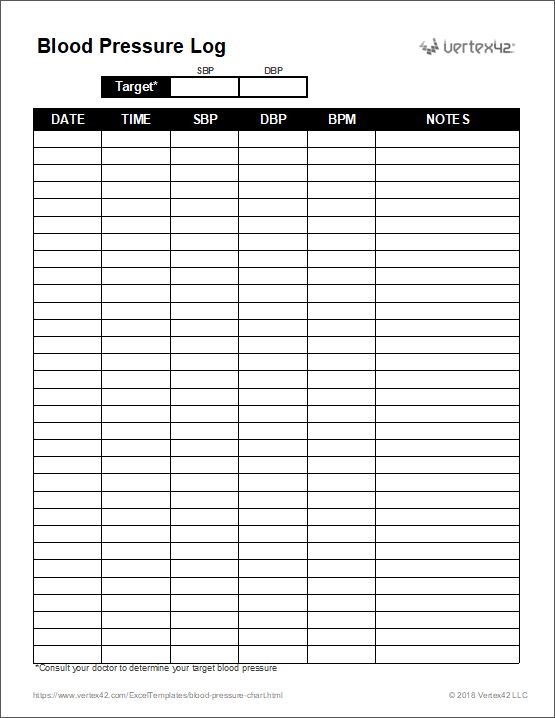
Here are some key elements to include in your blood pressure record template for optimal effectiveness:
* Date and Time of Reading
* Systolic Reading (the top number)
* Diastolic Reading (the bottom number)
* Pulse Rate
* Arm Used (Left or Right)
* Notes Section (for mood, activity, medication taken, symptoms, etc.)
* Space for Doctor’s Comments (if using a physical template)
Embracing the habit of regularly documenting your blood pressure readings with a dedicated template is a foundational step towards proactive health management. It provides clarity and control, helping you and your medical team navigate your health with greater insight and precision. This simple practice can significantly contribute to better health outcomes and a more informed approach to your well-being. Continue to monitor your numbers and always consult with a healthcare professional regarding your specific health concerns and treatment plans.