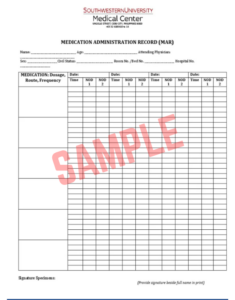
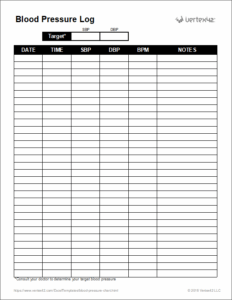
Taking charge of your health often begins with understanding the details, and for many, that means closely monitoring blood glucose levels. A well-designed blood glucose record template can be an invaluable tool in this journey, providing a clear, organized way to track your readings and observe patterns over time. It transforms raw numbers into actionable insights, helping you and your healthcare provider make informed decisions about your diet, exercise, and medication.
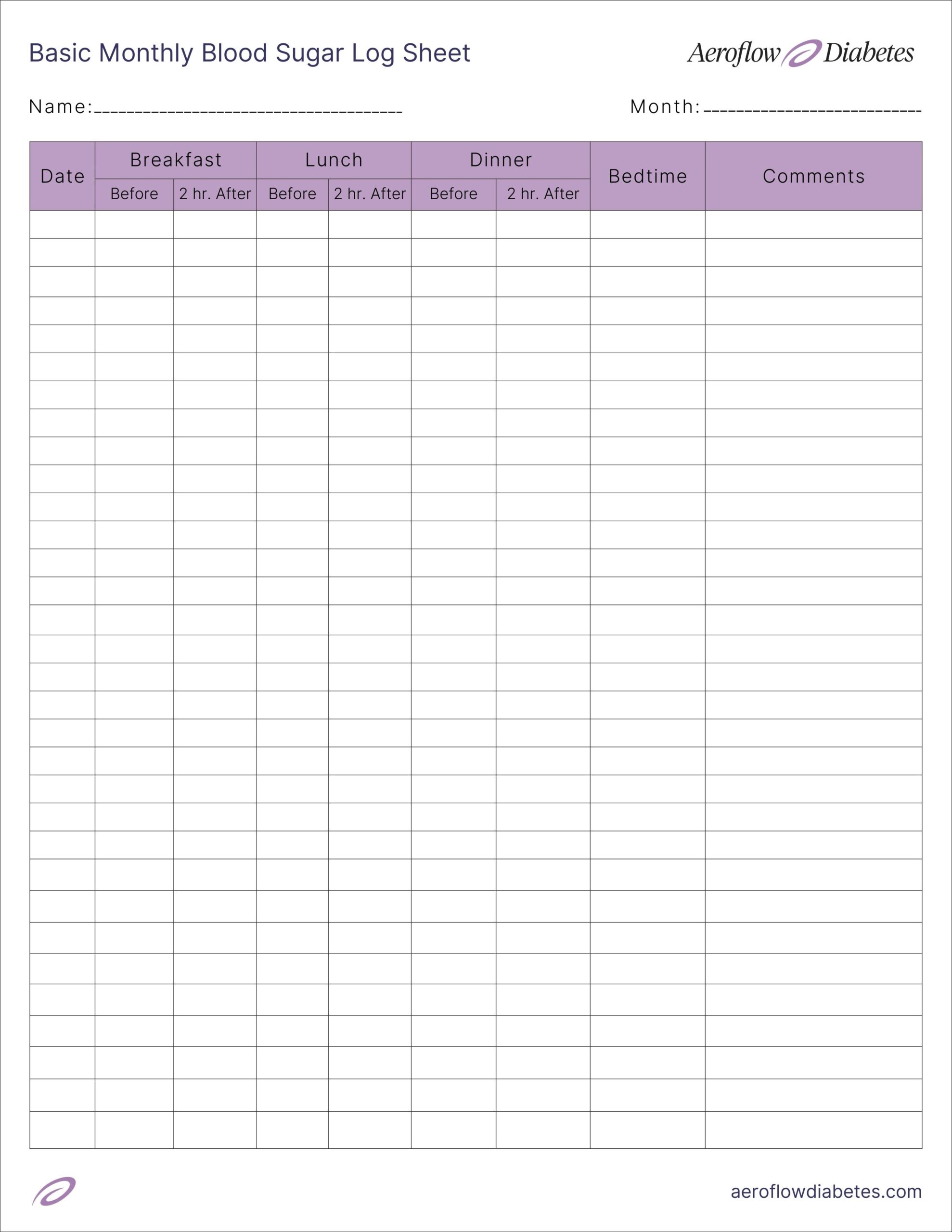
It is more than just logging a number; it is about creating a comprehensive picture of how various aspects of your life influence your blood sugar. Are certain foods causing spikes? Does physical activity consistently lower your readings? Is your medication working as expected? Without a consistent record, these questions can be hard to answer definitively, leaving you guessing rather than proactively managing your condition.
By consistently documenting your levels, you equip yourself with powerful data. This data empowers you to identify trends, understand your body’s unique responses, and collaborate more effectively with your medical team. It shifts the focus from reactive problem-solving to proactive health management, leading to better long-term outcomes and a greater sense of control over your well-being.
Unlocking Insights with Your Daily Blood Glucose Log
A consistent blood glucose log is far more than just a list of numbers. It is a detailed narrative of your body’s daily metabolic journey, influenced by everything from the food you eat to the stress you experience. By diligently filling out your record, you are gathering critical information that can reveal hidden patterns and provide clarity on how best to manage your blood sugar levels. Think of it as your personal health diary, but with a scientific edge.
The beauty of a structured template lies in its ability to highlight relationships that might otherwise go unnoticed. For instance, you might observe that your morning readings are consistently high, even after a seemingly healthy dinner. This could prompt a discussion with your doctor about Dawn Phenomenon or other nocturnal factors. Conversely, perhaps you notice that even a short walk after a meal significantly impacts your post-meal numbers, encouraging you to incorporate more movement into your routine.
When filling out your log, aim for consistency in the information you capture. Beyond the date, time, and glucose reading, consider adding details about your meals including portion sizes, any medications taken and their dosages, your physical activity level, and even any significant stress or illness you might be experiencing. These additional notes provide context, helping to explain fluctuations in your readings that isolated numbers alone cannot convey.
Consistency is key to making your log truly useful. Make it a habit to record your levels at specific times each day, such as before and two hours after meals, and before bedtime. This standardized approach allows for easier comparison of data points over time. Skipping entries can create gaps in your narrative, making it harder to identify clear trends or pinpoint specific triggers for high or low blood sugar events.
Remember that your blood glucose record template is a dynamic tool. It should evolve with your understanding and needs. Initially, you might focus on capturing basic readings, but as you become more attuned to your body, you may find yourself adding more detailed notes about food choices or exercise types. This flexibility ensures the template remains relevant and effective for your personal health journey.
Ultimately, this detailed logging empowers you to become a more active participant in your own care. You are not just a passive recipient of medical advice; you are an informed partner in managing your health. This empowerment can lead to greater confidence, better adherence to treatment plans, and a significantly improved quality of life as you learn to navigate the complexities of blood sugar management with clarity and precision.
Choosing the Right Format for Your Tracking Needs
When it comes to tracking your blood glucose, there are several formats for a blood glucose record template, each with its own advantages. The best choice for you will depend on your personal preferences, your lifestyle, and how you prefer to interact with data. Whether you are a fan of pen and paper or prefer the convenience of digital tools, there is a template out there that can perfectly suit your needs.
Popular Template Options
- Printable PDF forms: These are excellent for those who appreciate the tactile experience of writing things down. You can print multiple copies and keep them in a binder or a dedicated notebook, making it easy to carry with you to doctor appointments.
- Smartphone applications: Many apps offer advanced features beyond simple logging, such as trend analysis, medication reminders, and even food databases. They provide instant insights and can often integrate with other health tracking devices.
- Spreadsheets (Excel or Google Sheets): For individuals comfortable with computers, a spreadsheet offers immense flexibility. You can customize columns, apply formulas for automatic calculations, and visualize your data through charts and graphs, providing powerful analytical capabilities.
- Simple notebooks: Sometimes, the simplest solution is the best. A plain notebook allows for complete freedom in how you record your data, though it may lack the structured guidance of a pre-designed template.
No matter which format you choose, the key is to select one you will actually use consistently. A sophisticated app is useless if you never open it, just as a beautifully designed printable template gathers dust if it is not readily accessible. Consider what fits seamlessly into your daily routine and what feels most comfortable for you to maintain over the long term.
Regularly reviewing your blood glucose entries is just as important as recording them. Set aside time each week or month to look over your patterns. This reflective practice helps reinforce healthy habits and provides valuable context for discussions with your healthcare team, ensuring that your efforts in tracking translate into tangible health benefits and better control.
Embracing the habit of consistently tracking your blood glucose levels is a profound step towards mastering your health. It is an act of self-care that provides clarity, reduces uncertainty, and empowers you with the knowledge needed to make the best decisions for your body. The insights gained from a well-maintained record are invaluable, guiding you towards a healthier, more balanced life.
By diligently documenting your daily readings, dietary choices, and activity levels, you are creating a comprehensive narrative of your health. This personal data becomes a powerful resource, not only for you but also for your healthcare providers, fostering a truly collaborative approach to your well-being. Start today, and discover the empowering difference consistent tracking can make.