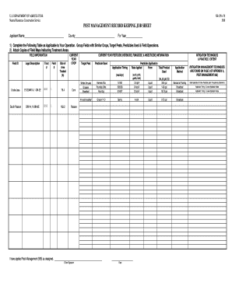
Navigating the world of chemical applications, whether in agriculture, pest control, facility management, or even specialized industrial settings, requires meticulous attention to detail. It’s not just about applying a substance; it’s about understanding when, where, how, and why it was used. This is precisely where a robust chemical application record template becomes an invaluable tool, ensuring everything is documented precisely for compliance, safety, and effectiveness. Without a clear and consistent method for logging these activities, you might find yourself facing operational inefficiencies or, more seriously, regulatory hurdles and safety risks.
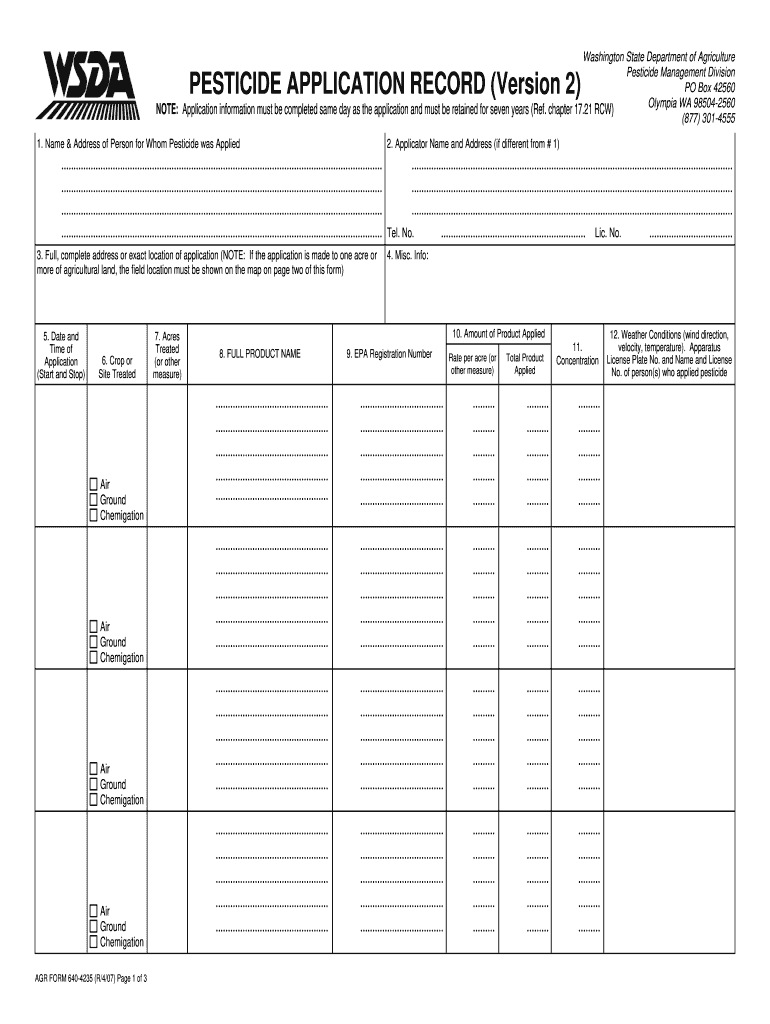
The importance of keeping accurate records extends far beyond simply jotting down notes. These records serve as a historical ledger, providing critical data for auditing purposes, demonstrating due diligence, and even aiding in troubleshooting if an application doesn’t yield the expected results. They are foundational for responsible chemical management, helping businesses and individuals maintain high standards of environmental stewardship and worker protection.
This article will delve into why detailed chemical application records are so crucial, what essential information should be captured, and how a well-designed template can streamline this vital process. We’ll explore the various benefits of consistent documentation and provide insights into creating or choosing a template that perfectly fits your operational needs, ensuring you are always prepared and compliant.
Why Keeping Detailed Chemical Records is Non-Negotiable
Maintaining comprehensive records of every chemical application isn’t just a good idea; it’s often a legal requirement and a fundamental component of responsible management. The reasons are multifaceted, spanning from regulatory compliance and safety protocols to operational efficiency and environmental protection. Overlooking this critical step can lead to significant headaches, including fines, legal disputes, and potential harm to people or the environment.
Navigating Regulatory Compliance
One of the primary drivers for detailed record-keeping is the vast array of regulations governing chemical use. Agencies like the Environmental Protection Agency (EPA), Occupational Safety and Health Administration (OSHA), and various state and local authorities mandate specific documentation for a wide range of chemicals and their applications. These regulations are designed to protect human health and the environment, requiring proof that chemicals are handled, applied, and disposed of correctly. Without accurate records, demonstrating compliance during an inspection or audit becomes incredibly challenging, potentially resulting in penalties or even the suspension of operating licenses.
Enhancing Workplace Safety
Chemical applications inherently carry risks. Detailed records provide essential information for ensuring the safety of applicators, nearby workers, and the general public. Knowing exactly what chemical was applied, its concentration, the date, and the specific location is crucial in case of an accidental exposure or spill. These records contain vital information for emergency responders, including product names and active ingredients, which are necessary for providing appropriate first aid or medical treatment. Furthermore, they help in tracking re-entry intervals, ensuring that areas are safe before personnel re-enter.
Optimizing Application Effectiveness
Beyond compliance and safety, thorough documentation plays a pivotal role in operational effectiveness. Imagine trying to replicate a successful pest control treatment or troubleshoot an ineffective one without knowing the exact parameters of the previous application. Records allow you to track which products, rates, and conditions yielded the best results, enabling you to refine your strategies over time. This data can save time and money by preventing over-application or repeated, ineffective treatments, leading to more sustainable and cost-efficient practices.
Supporting Environmental Stewardship
Responsible chemical use is integral to environmental protection. By meticulously recording application details, you contribute to better understanding and minimizing environmental impact. These records help monitor chemical runoff, potential impacts on non-target species, and overall ecological health. They provide a historical perspective that can inform future land management decisions and demonstrate a commitment to minimizing your ecological footprint.
Accurate Inventory and Cost Management
Detailed application records are also essential for robust inventory management and cost control. By knowing precisely how much of each chemical is used for every application, you can maintain accurate stock levels, predict future needs, and prevent unnecessary purchasing. This level of detail helps in budgeting, identifies areas of potential waste, and ensures that resources are allocated efficiently, contributing to the overall financial health of your operation.
In essence, a commitment to detailed chemical record-keeping is a commitment to safety, compliance, efficiency, and environmental responsibility. It’s an investment that pays dividends in reduced risk, improved outcomes, and peace of mind.
Key Elements to Include in Your Chemical Application Record Template
Creating an effective chemical application record template is about more than just listing a few details; it’s about systematically capturing all the data points necessary for safety, compliance, and operational analysis. A well-designed template will guide applicators to record critical information consistently, ensuring no vital piece of data is missed. The goal is to make the process straightforward while guaranteeing completeness.
The information you include might vary slightly depending on your specific industry and regulatory requirements, but there are several universal elements that every comprehensive template should feature. These elements collectively paint a complete picture of each application, serving as a reliable reference point for future audits, analysis, or emergency situations. Thinking ahead about what information might be needed later will help you design the most useful template.
To ensure your records are thorough and effective, consider incorporating the following key components into your chemical application record template:
- **Date and Time of Application:** Crucial for chronological tracking and establishing timelines for re-entry intervals.
- **Name(s) of Applicator(s):** Identifies who performed the application, vital for accountability and training records.
- **Location of Application:** Be specific (e.g., field number, specific room, outdoor area, GPS coordinates if applicable).
- **Chemical Product Name:** The full name of the product used, exactly as it appears on the label.
- **EPA Registration Number (if applicable):** Essential for demonstrating compliance with federal regulations.
- **Active Ingredient(s) and Concentration:** Provides specific chemical information for safety and efficacy analysis.
- **Application Rate and Total Quantity Used:** How much chemical was applied per unit area or volume, and the total amount dispensed.
- **Equipment Used:** Specify the type of sprayer, nozzle, or other tools to aid in replication or troubleshooting.
- **Target Pest or Purpose of Application:** What specific problem was being addressed (e.g., weed control, insect infestation, sanitation).
- **Weather Conditions at Time of Application:** Temperature, wind speed and direction, humidity, and rainfall can significantly impact efficacy and drift.
- **Pre-Harvest Interval (PHI) or Re-Entry Interval (REI):** Critical safety measures, indicating when it’s safe to harvest or re-enter the treated area.
- **Observations/Notes:** Any unusual occurrences, immediate effectiveness, or concerns observed during or immediately after application.
By consistently capturing these details, your chemical application records will become powerful assets, transforming raw data into actionable insights and solid proof of responsible practices. It’s a foundational step towards operational excellence and unwavering compliance.
Ultimately, a well-maintained system of chemical application records is a testament to an organization’s commitment to safety, compliance, and operational excellence. It transforms what could be a complex and risky endeavor into a managed, transparent, and auditable process. By embracing detailed documentation, you not only protect your team and the environment but also lay the groundwork for continuous improvement and sustainable practices.
The effort invested in setting up and consistently utilizing a robust record-keeping system will yield significant returns in peace of mind, operational efficiency, and legal protection. It empowers you to make informed decisions, respond effectively to unforeseen circumstances, and confidently navigate the intricate landscape of chemical management.