Ever found yourself in a situation where you wished you had a clear, written account of a conversation, decision, or event? Whether it is in your professional life outside of a military setting or even for personal matters, having a reliable document can be incredibly beneficial. This is precisely where a civilian memorandum for record template becomes an invaluable tool, providing a structured way to capture crucial details that might otherwise be forgotten or misremembered.
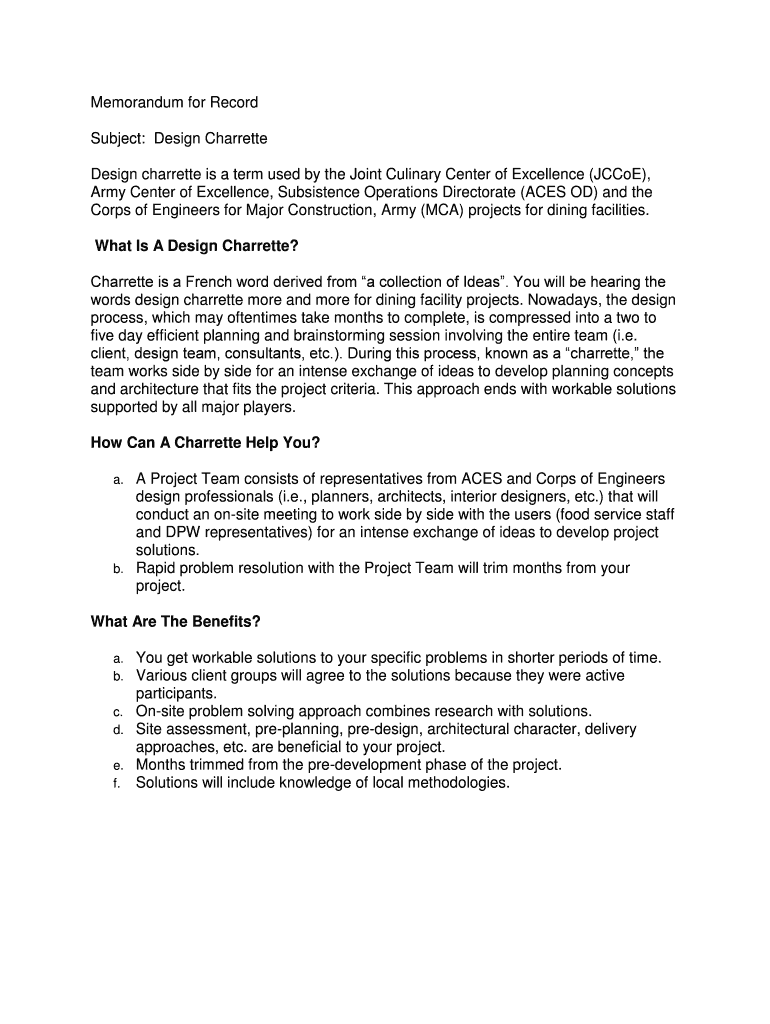
A Memorandum For Record, often abbreviated as MFR, serves as a concise, factual summary of a particular situation. It acts as a personal or professional documentation of events, decisions, meetings, or conversations. While the concept is widely used in government and military contexts, its principles are universally applicable to anyone needing a clear, objective record.
In a world that increasingly relies on accurate information and accountability, mastering the art of creating a good MFR can save you a lot of headaches down the line. It ensures clarity, reduces ambiguity, and provides a dependable reference point should questions or disputes arise. This article will guide you through understanding, creating, and effectively utilizing this powerful documentation method in your civilian life.
Understanding the Civilian Memorandum For Record
When we talk about a Memorandum For Record in a civilian context, we are essentially referring to a self-generated document that captures specific information for your own files or for sharing with relevant parties. Unlike formal reports or official letters that often follow rigid corporate guidelines, a civilian MFR offers more flexibility while still maintaining a professional and organized structure. Its primary goal is to ensure that important facts, decisions, and agreements are not lost to memory or misunderstanding.
Think of it as your personal logbook for significant interactions. Did you have an important phone call with a service provider about a billing issue? Did you discuss a project deadline with a colleague that has potential ramifications later? Perhaps you had a conversation with a landlord about a maintenance request. These are all perfect scenarios for creating an MFR. It is not about being overly formal or creating bureaucracy; it is about protecting your interests and promoting clear communication.
The beauty of an MFR lies in its objectivity. It should stick to the facts: who was involved, what was discussed, when and where it happened, and any agreed-upon actions or outcomes. By documenting these elements promptly, you create an unassailable record that can support your claims, refresh your memory, or serve as evidence if needed. It acts as a shield against “he said, she said” scenarios.
Key Components of an Effective Civilian MFR
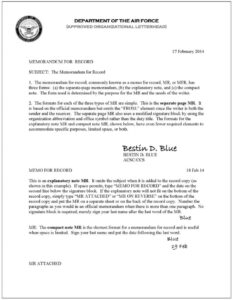
While there is no single mandated format for a civilian MFR, a generally accepted structure helps ensure all critical information is included. Starting with a clear header is essential. This typically includes “MEMORANDUM FOR RECORD” at the top, followed by the date, who the memo is “To” (often yourself or “File”), who it is “From” (you), and a concise “Subject” line that immediately tells the reader what the memo is about. For example, “Subject: Conversation with John Smith regarding project X deadline.”
The body of the MFR is where you detail the event. This section should be chronological and factual, avoiding emotional language or opinions. Describe the situation leading up to the event, the key points discussed, any decisions made, specific tasks assigned, and deadlines. If there were disagreements, state them objectively. It is helpful to include direct quotes if memorable or critical, noting who said what. Be precise with dates, times, and names.
Finally, a simple closing helps to wrap up the document. This usually involves your signature or name, indicating that you are the author and stand by the contents. If there are any supporting documents, such as emails or meeting minutes, you can reference them in the MFR and attach them. Remember, the goal is clarity and completeness, without being overly verbose.
The length of an MFR can vary greatly depending on the complexity of the event being documented. Some might be just a few sentences, while others could span a page or more. Always prioritize conciseness without sacrificing essential details. A well-written MFR is a powerful tool for clarity and accountability.
When to Use a Civilian Memorandum For Record
Understanding when to deploy a Memorandum For Record is just as important as knowing how to write one. Essentially, any time a conversation, decision, or event occurs that you anticipate might be relevant later, or that carries significant implications, an MFR is a good idea. This could be in the professional sphere, such as documenting performance discussions, client agreements, or project scope changes. It is equally useful for personal situations like agreements with contractors, important medical information, or even significant family discussions.
The benefits of habitually using a civilian memorandum for record template extend far beyond simply having a piece of paper. It creates a discipline of active listening and critical observation, encouraging you to pay closer attention to details during important interactions. It provides a reliable historical record that can jog your memory or clarify discrepancies weeks, months, or even years down the line. Moreover, it demonstrates a level of professionalism and thoroughness that can be highly regarded in any setting.
Consider using an MFR for situations such as:
- Documenting verbal agreements that lack other written confirmation.
- Summarizing key takeaways from meetings or phone calls.
- Recording significant events or incidents, especially those that might lead to future questions.
- Clarifying instructions or decisions given verbally.
- Creating a personal log of interactions for performance reviews or dispute resolution.
Incorporating this practice into your routine is simpler than it sounds. Many people find it easiest to draft an MFR immediately after the event occurs, while the details are still fresh in their mind. This immediate action reduces the risk of forgetting crucial information and ensures accuracy.
By adopting the discipline of creating clear, concise records, you empower yourself with verifiable information. It transforms vague recollections into concrete facts, offering peace of mind and a solid foundation for any future discussions or actions. This proactive approach to documentation is a hallmark of effective personal and professional management.