Managing a construction project can often feel like orchestrating a complex symphony, with countless moving parts, diverse teams, and tight deadlines all needing to perform in perfect harmony. Without a clear roadmap, even the most experienced project managers can find themselves navigating a maze of delays and unexpected challenges. The key to staying on track, managing resources efficiently, and ensuring timely project completion lies in robust and intelligent scheduling.
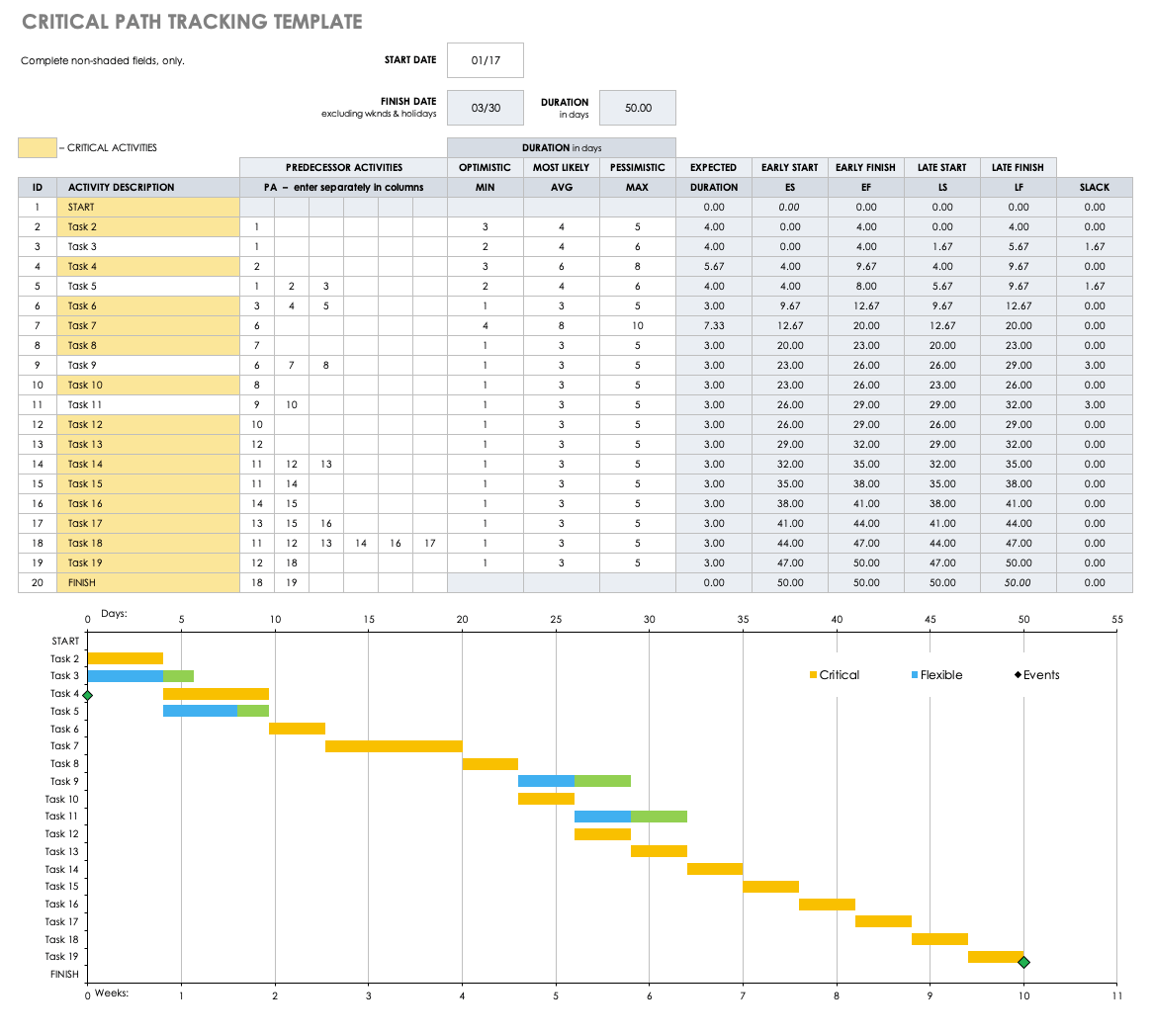
This is where the Critical Path Method, or CPM, steps in as an indispensable tool. It is a powerful project management technique that helps identify and manage the most crucial tasks that directly impact the overall project duration. By understanding which activities are “critical,” project managers can allocate resources more effectively, mitigate risks, and keep their projects moving forward. Developing or utilizing a well-structured critical path construction schedule template is often the first step towards mastering this method and achieving project success.
Understanding the Critical Path Method for Construction Projects
The Critical Path Method is essentially a step-by-step project management technique for process planning that defines critical and noncritical tasks with their deadlines to prevent time frame problems and bottlenecks. In construction, where projects are typically complex and involve a large number of interrelated activities, CPM helps in breaking down the project into individual tasks, determining the sequence of these tasks, and estimating the time required for each. This allows project managers to visualize the entire project timeline and pinpoint the series of tasks that, if delayed, will inevitably delay the entire project.
The benefits of applying CPM in construction are immense. It provides a clear picture of project dependencies, allowing managers to identify which tasks must be completed before others can begin. This clarity helps in optimizing resource allocation, as you can see where resources are most needed to keep the critical path on schedule. Furthermore, by highlighting potential bottlenecks and areas of high risk, CPM empowers teams to proactively address issues, thereby reducing the likelihood of costly delays and overruns. It essentially gives you a crystal ball to foresee potential problems and plan around them.
To effectively implement CPM, you first need to identify all the activities required to complete your construction project. Each activity should then be assigned an estimated duration. Crucially, you must also define the dependencies between these activities; that is, which tasks cannot start until another is finished. Once this data is gathered, it is charted out, often in a network diagram, to reveal the longest sequence of dependent activities, which is your critical path. Any delay to a task on this path will push back the project’s finish date.
A critical path construction schedule template can significantly streamline this entire process. Instead of starting from scratch every time, a template provides a pre-formatted structure where you can simply input your specific project data. This not only saves time but also ensures that no essential components of a robust CPM schedule are overlooked. It acts as a guide, ensuring consistency and thoroughness in your planning efforts from one project to the next.
Key Components of a CPM Schedule
- Task ID: A unique identifier for each activity.
- Task Name: A descriptive title for the activity.
- Duration: The estimated time needed to complete the task.
- Start Date: When the task is projected to begin.
- Finish Date: When the task is projected to end.
- Predecessors: Tasks that must be completed before this task can start.
- Successors: Tasks that can only start after this task is completed.
- Slack or Float: The amount of time a task can be delayed without affecting the project completion date. Critical tasks have zero slack.
Understanding and populating these components correctly within a template is vital for an accurate and actionable critical path analysis.
Crafting Your Own Critical Path Construction Schedule Template
While many commercial software solutions offer sophisticated scheduling capabilities, having a foundational critical path construction schedule template, whether in a spreadsheet program or a dedicated project management tool, can be incredibly empowering. It allows you to tailor the structure to the specific nuances of your projects, ensuring it’s not just a generic outline but a truly useful working document. The goal is to create a template that is flexible enough to adapt to various project sizes and complexities, yet robust enough to provide reliable insights.
When developing your template, think about the level of detail you typically need. For smaller projects, a simpler template with basic task identification and dependencies might suffice. For larger, more intricate construction endeavors, you might need to incorporate fields for resource allocation, budget tracking, and risk assessment directly within or linked to your schedule. The best templates are those that evolve with your experience and project requirements, becoming a living document that continually improves your planning process.
Consider using a template that visually represents the critical path clearly. Some templates automatically highlight tasks on the critical path, making it immediately obvious where your focus needs to be. This visual cue is invaluable for quick assessments and communicating project status to stakeholders who may not be familiar with the intricacies of CPM. Easy-to-read charts and graphs, often generated from the data entered into your template, can transform complex schedules into understandable overviews.
Utilizing your template effectively involves a continuous cycle of planning, execution, and monitoring. Once you input your initial project data, the template helps you identify the critical path. As the project progresses, you will need to update actual task durations and completion dates. This ongoing data entry is crucial because it allows the template to recalculate the critical path in real time, showing any shifts due to unexpected delays or accelerated task completion.
Here are a few steps to consider when populating and using your template:
- Identify all tasks: Break down your project into manageable, distinct activities.
- Determine dependencies: Figure out which tasks must precede others.
- Estimate durations: Provide realistic timeframes for each task.
- Plot the critical path: Use the template to calculate and visualize the critical path.
- Monitor and update: Regularly review progress and adjust the schedule as needed to reflect reality.
By consistently engaging with your critical path construction schedule template, you transform it from a static document into a dynamic management tool that guides your project team toward successful completion. It fosters proactive decision-making and ensures that the most important tasks receive the attention they deserve.
Ultimately, mastering project schedules, especially in the demanding world of construction, hinges on having the right tools and a clear strategy. By systematically applying the Critical Path Method and leveraging a well-designed template, you empower your team to navigate complexities with confidence, keeping projects on time and within budget. This foundational approach to planning lays a strong groundwork for efficient operations and paves the way for repeated success in future ventures.