Ever walked into a kitchen, a hospital, or even a factory floor and wondered about the invisible threats lurking around? Cross-contamination is one of those silent dangers that can have devastating consequences, from making someone seriously ill to causing massive product recalls and significant financial losses. It’s not just about hygiene; it’s about understanding how harmful agents can unintentionally transfer from one source to another, potentially compromising safety and quality.
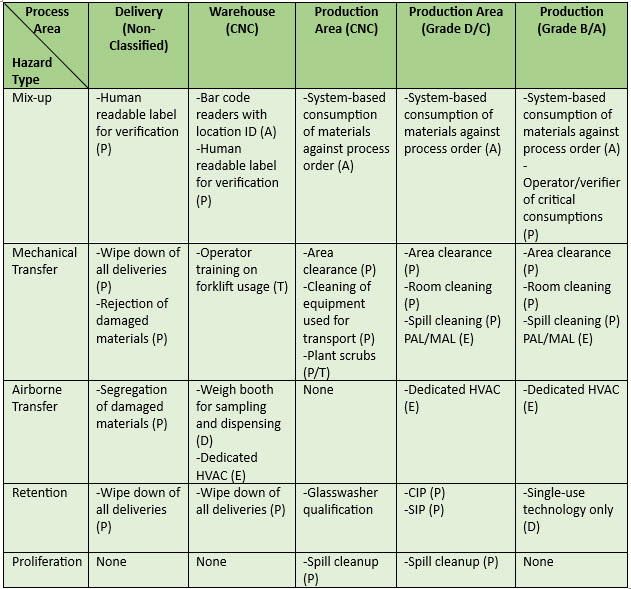
That’s where a systematic approach comes in. Proactively identifying, evaluating, and controlling these risks is absolutely crucial for any business or organization handling sensitive materials. Thinking about how to manage these potential pitfalls effectively can feel like a huge task, but having a clear, structured framework makes all the difference. Imagine having a ready-to-use tool that guides you through every step – that’s the power of a well-designed cross contamination risk assessment template.
Understanding Cross-Contamination and Why Assessment is Key
At its core, cross-contamination is the unwelcome transfer of microorganisms, allergens, or other harmful substances from one place or substance to another. Think about a chef cutting raw chicken on a board and then using the same board, unwashed, to slice vegetables for a salad. Or consider a pharmaceutical plant where traces of one active ingredient mistakenly mix with another batch. These scenarios, though seemingly simple, can lead to serious health issues, regulatory penalties, and a damaged reputation that’s hard to rebuild.
The imperative to assess these risks isn’t just about compliance; it’s about safeguarding lives and protecting your operational integrity. A thorough risk assessment isn’t just a tick-box exercise; it’s a deep dive into your processes, environments, and practices to uncover potential vulnerabilities before they become actual problems. It empowers you to implement targeted control measures rather than just reacting to incidents.
Without a clear understanding of where and how cross-contamination can occur, your efforts to prevent it might be misdirected or insufficient. This proactive stance helps you allocate resources effectively, train your staff appropriately, and build a culture of safety that permeates every level of your organization. It transforms potential threats into manageable risks, ensuring higher standards of safety and quality.
Common Pathways and Sources of Contamination
Understanding the common ways contaminants spread is the first step in prevention. It’s not always obvious, and sometimes, the smallest oversight can lead to the biggest problems. Identifying these pathways helps you pinpoint exactly where to focus your preventative measures and what specific controls you need to put in place. This detailed insight is precisely what a robust cross contamination risk assessment template helps you organize and document.
- **Direct Contact:** This is perhaps the most straightforward. Imagine a contaminated surface touching an uncontaminated one, like hands touching food after handling raw ingredients.
- **Indirect Contact:** Often overlooked, this involves an intermediate step. A utensil, a cleaning cloth, or even packaging materials can transfer contaminants from one item to another.
- **Airborne Transfer:** Tiny particles, aerosols, or dust carrying microorganisms can travel through the air, settling on surfaces or products some distance from the original source. Think about dust from flour spreading in a bakery.
- **Human Error:** People are often a significant source. Poor hand hygiene, improper use of personal protective equipment (PPE), or inadequate training can all contribute to contamination spread.
- **Equipment & Environment:** Machinery, ventilation systems, floors, and walls can harbor and spread contaminants if not properly cleaned, maintained, or designed with prevention in mind.
Developing a Robust Risk Assessment Framework
Once you grasp the ‘why,’ the ‘how’ becomes the next crucial step. Building an effective framework for risk assessment might sound complex, but it’s essentially a structured approach to identifying hazards, evaluating their potential impact, and then putting appropriate controls in place. It’s about moving from a general awareness to specific actions tailored to your unique operational environment.
Think of it as a methodical detective process for your business. You’re looking for clues, assessing the likelihood of something going wrong, and then deciding on the best strategy to prevent it. This isn’t a one-time activity; it’s an ongoing cycle of review and improvement. The world changes, processes evolve, and new risks emerge, so your assessment framework needs to be dynamic enough to keep up.
An excellent framework also considers both the probability of an event occurring and the severity of its potential consequences. A risk with a low probability but catastrophic consequences (like allergen contamination leading to anaphylaxis) might warrant more stringent controls than a high-probability, low-impact risk. Balancing these factors is key to efficient and effective risk management.
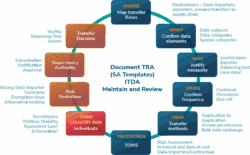
Implementing a clear, step-by-step process helps ensure consistency and thoroughness. It also makes it easier for different team members to contribute and understand their roles in maintaining safety standards. Here are the typical components you’d expect to find or develop when setting up your own assessment:
- **Identify Hazards:** Pinpoint all potential sources and pathways of cross-contamination relevant to your specific operations.
- **Assess Risks:** For each identified hazard, determine the likelihood of it occurring and the severity of its potential impact.
- **Evaluate Control Measures:** Look at your existing controls. Are they sufficient? What additional measures are needed to mitigate the risks to an acceptable level?
- **Implement Controls:** Put the new or improved control measures into practice, ensuring they are practical and effective.
- **Monitor and Review:** Regularly check the effectiveness of your controls and reassess risks. This ensures your system remains robust and responsive to change.
Regular training and clear communication are also vital to ensure that everyone involved understands the risks and their role in preventing them.
Effectively managing cross-contamination risks is more than just good practice; it’s a fundamental pillar of operational excellence and consumer trust. By adopting a proactive and systematic approach, businesses can significantly reduce the likelihood of costly incidents and uphold their commitment to safety and quality. It transforms potential vulnerabilities into strengths, ensuring resilience in the face of ever-present hazards.
The journey towards a safer, more compliant operation begins with a thorough understanding of potential risks and the implementation of robust control measures. Embracing structured tools and ongoing vigilance empowers organizations to navigate these challenges confidently, safeguarding both their reputation and the well-being of those they serve. It’s about continuous improvement and unwavering dedication to the highest standards.