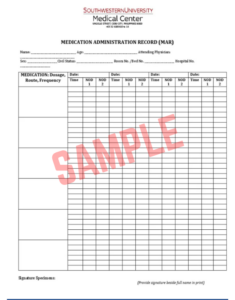
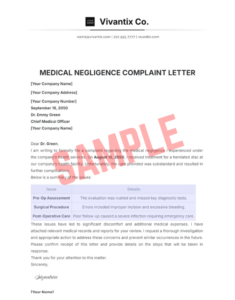
Every business, no matter how great its products or services, will encounter customer complaints. It’s an unavoidable part of doing business, and how you handle these situations can truly define your brand’s reputation and customer loyalty. That’s where a robust customer complaint record template comes into play, providing a structured approach to capture, track, and resolve customer issues efficiently and effectively. It’s more than just a form; it’s a vital tool for turning negative experiences into opportunities for growth and improvement.
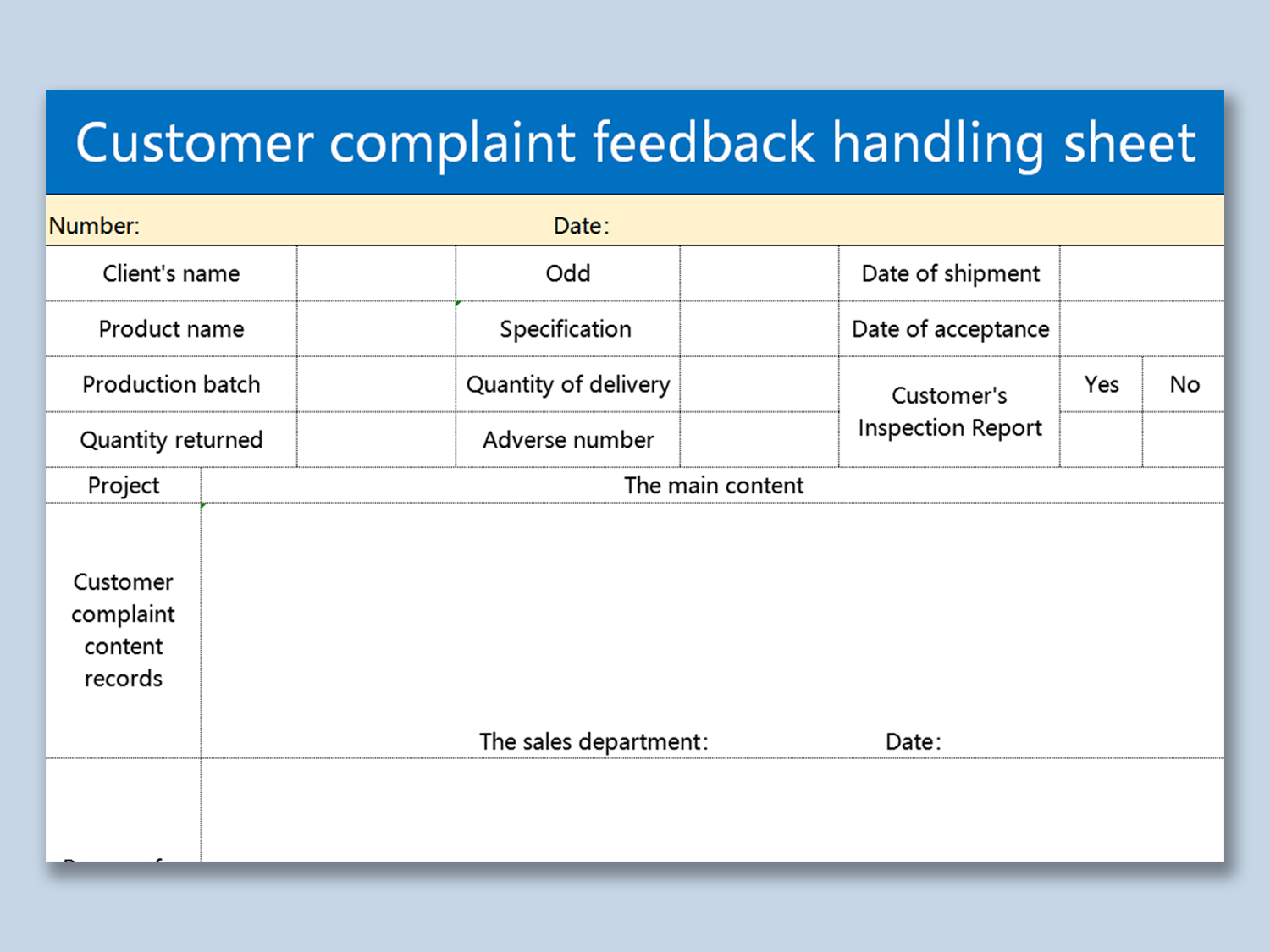
Let’s face it, a dissatisfied customer can quickly become a former customer, and in today’s digital age, their experience can be amplified across social media and review sites. Properly documenting each complaint ensures that no issue falls through the cracks, demonstrates your commitment to customer satisfaction, and helps you identify recurring problems that need addressing at a systemic level.
By adopting a standardized method for logging complaints, you empower your team to handle feedback consistently, conduct thorough investigations, and deliver resolutions that not only satisfy the individual customer but also contribute to the overall enhancement of your offerings. It’s about building trust and showing your customers that their voice truly matters.
The Essential Components of an Effective Complaint Record
Creating a system for managing complaints begins with understanding what key information needs to be captured. A well-designed customer complaint record template isn’t just a blank sheet; it’s a detailed framework that guides your team through the entire complaint resolution process, from initial contact to final resolution and beyond. This meticulous approach ensures consistency, accountability, and valuable data collection that can inform future business decisions.
Gathering Core Information
First and foremost, your template needs to collect the fundamental details about the customer and the complaint’s origin. This includes the customer’s full name, contact information (phone, email, preferred method of communication), the date the complaint was received, and the method by which it was submitted (e.g., phone call, email, in-person, social media). Knowing who to reach out to and how they prefer to be contacted is crucial for timely follow-up.
Documenting the Complaint Itself
Once you have the customer’s details, the next step is to accurately record the specifics of the complaint. This section should include the date the incident occurred (if different from the received date), a clear and concise description of the problem in the customer’s own words, and details about the product, service, or employee involved. Try to capture as much detail as possible, including any relevant reference numbers, order IDs, or dates of purchase, to provide a complete picture of the situation.
Tracking Investigation and Action
After documenting the initial complaint, the template should guide the team through the investigation phase. This involves noting who is assigned to handle the complaint, the steps taken during the investigation (e.g., reviewing records, interviewing staff, testing products), and any preliminary findings or proposed solutions. This section is vital for transparency and ensuring that due diligence is performed.
Recording the Resolution
The resolution section is where you document how the complaint was ultimately addressed. This includes the date the complaint was resolved, the specific actions taken to rectify the issue (e.g., refund, replacement, repair, apology, service credit), and any compensation provided. Importantly, it should also include notes on customer satisfaction with the resolution, ensuring their feedback on the outcome is recorded.
Internal Notes and Follow-Up
Beyond the immediate resolution, a comprehensive template will include a section for internal notes. This is where your team can document lessons learned, identify root causes of the complaint, and suggest preventative measures to avoid similar issues in the future. It’s also important to note any follow-up actions required, such as internal training or process adjustments, and track their completion. This transforms each complaint from an isolated incident into a valuable learning experience for the entire organization.
The effective use of a customer complaint record template ensures that every piece of customer feedback, whether positive or negative, contributes to a cycle of continuous improvement. It’s about being proactive, not just reactive, in maintaining high standards of service and product quality.
Beyond the Template: Implementing a Complaint Management System
While a well-designed template is the foundation, its true power lies in how it integrates into a broader complaint management system. Simply having a form isn’t enough; it’s about establishing clear processes, training your staff, and committing to using the data collected for meaningful change. This holistic approach elevates complaint handling from a necessary chore to a strategic asset for your business.
The Benefits of a Structured Approach
Implementing a robust system around your complaint record template offers numerous advantages that extend far beyond simply appeasing an upset customer. It’s about building resilience and reputation.
- Improved customer retention by consistently demonstrating care and effective problem-solving.
- Enhanced brand reputation as customers recognize your commitment to service excellence.
- Valuable insights for product or service improvement by identifying recurring issues and areas for innovation.
- Compliance and risk mitigation, ensuring you meet regulatory requirements and protect your business from potential legal challenges.
- Empowered and consistent staff who feel confident in handling complaints with a clear roadmap.
Regularly reviewing the data gathered from your templates allows you to spot trends, pinpoint weak spots in your operations, and proactively address systemic issues before they escalate. It provides actionable intelligence that can drive strategic decisions, improve staff training, and ultimately lead to a better customer experience for everyone. By embracing a comprehensive complaint management system, you’re not just solving problems; you’re continuously perfecting your business.
Maintaining a clear, systematic approach to handling customer feedback is an investment that pays dividends in customer loyalty and business growth. By utilizing a robust template and integrating it into your daily operations, you demonstrate a genuine commitment to your customers and a dedication to continuous improvement. This proactive stance ensures that every complaint, rather than being a setback, becomes a stepping stone towards building stronger relationships and a more resilient business.