Teaching is a calling, a passionate pursuit that shapes young minds and future generations. But let’s be honest, it’s also a whirlwind of activity, isn’t it? From lesson planning and classroom management to grading papers and professional development, a teacher’s day can feel like a marathon with no finish line in sight. It’s easy to feel overwhelmed, constantly juggling tasks and wondering if you’ve forgotten something important.
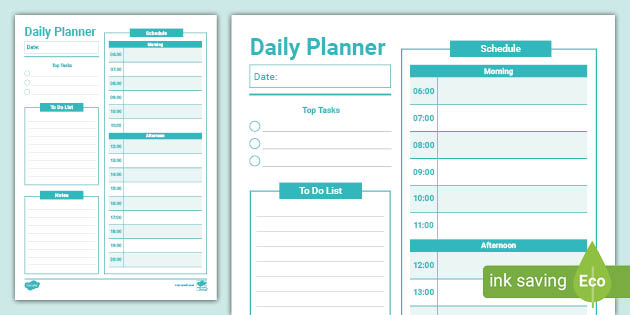
Imagine a world where your day flows more smoothly, where you feel in control, and where you actually have a moment to breathe. This isn’t a pipe dream; it’s an achievable reality with the right organizational tools. That’s where a well-designed daily schedule template for teachers comes into play, offering a roadmap to navigate the complexities of your profession with greater ease and efficiency.
The Untapped Power of a Well-Planned Teaching Day
Think of your teaching day as a complex orchestra. Without a conductor, each instrument might play beautifully, but the overall harmony would be lost. Your daily schedule acts as that conductor, guiding each segment of your day into a cohesive, productive flow. The benefits extend far beyond just knowing what comes next; they impact your stress levels, your teaching quality, and even your personal life.
One of the most significant advantages is the reduction of decision fatigue. When your schedule is laid out, you spend less mental energy deciding what to do next and more energy on the task at hand – teaching! It helps ensure that all critical tasks, from preparing materials to providing individualized student support, get the attention they deserve. This proactive approach prevents last-minute scrambling and helps you maintain a sense of calm amidst the usual classroom chaos.
Key Elements to Include in Your Teacher Schedule
While every teacher’s day is unique, certain common elements form the backbone of an effective daily schedule. Incorporating these ensures comprehensive coverage of your responsibilities and personal needs.
- Morning Arrival and Preparation: This is crucial time for getting your classroom ready, reviewing lessons, and mentally preparing for the day ahead.
- Instructional Blocks: Clearly define your teaching periods, specifying subjects, grades, and even particular activities.
- Transition Times: Don’t forget to account for student transitions between activities or classes.
- Breaks: Allocate specific times for your personal breaks, lunch, and any student recess periods.
- Planning and Collaboration: Dedicate uninterrupted blocks for lesson planning, grading, preparing resources, and collaborating with colleagues.
- Duty Periods: Include any assigned supervision duties, such as hall monitoring or bus duty.
- Afternoon Wrap-up: Time for tidying up, organizing materials for the next day, and reflecting on the day’s successes and challenges.
- Personal Time: Even a short block to step away from school work before heading home can make a huge difference.
Remember, a daily schedule template for teachers isn’t a rigid, unyielding cage; it’s a flexible framework. There will always be unexpected interruptions or impromptu needs. The goal isn’t perfect adherence every single minute, but rather having a robust baseline that you can return to, allowing you to adapt without completely derailing your entire day.
Crafting Your Personalized Daily Schedule Template: A Step-by-Step Guide
The beauty of a daily schedule template is its adaptability. While pre-made templates can offer a great starting point, the most effective one will be tailored precisely to your unique role, school environment, and personal preferences. Let’s walk through how you can create a schedule that truly works for you.
Begin by taking stock of your current routine. For a few days, simply observe and jot down how you spend your time. What tasks consistently get pushed aside? Where do you feel most rushed? What activities bring you the most joy or energy, and which drain you? This audit will provide invaluable insights into your natural rhythms and areas ripe for improvement. Don’t forget to factor in fixed appointments like bell times, meetings, and student pick-up or drop-off duties – these are your unmovable anchors.
Next, prioritize your tasks. Distinguish between urgent and important, and identify your “non-negotiables” – those critical activities that absolutely must happen each day or week. Then, start blocking out time for these. Use specific time increments that make sense for you, whether it’s 15-minute slots or hour-long blocks. Be realistic about how long tasks actually take. It’s better to overestimate slightly than to constantly run behind.
Don’t overlook the importance of buffer time. Life, especially in a school setting, rarely goes exactly according to plan. Build in small pockets of unscheduled time between activities or after major blocks to handle unexpected student questions, quick parent calls, or just to catch your breath. This flexibility is key to maintaining your sanity and making your schedule sustainable in the long run. Remember, this isn’t about fitting more in; it’s about making what you *do* fit more comfortably and effectively.
Embracing a structured approach to your daily routine can feel like unlocking a secret superpower. It’s not just about managing time; it’s about intentionally managing your energy and focus to make the biggest impact in your classroom and beyond. When you’re less stressed and more organized, you’re better equipped to be the inspiring, supportive educator your students deserve.
Taking the time to design and refine your ideal daily schedule isn’t just an investment in your productivity; it’s an investment in your well-being and the quality of your teaching. So, take that first step, experiment with what works best for you, and watch as your days transform from a chaotic scramble into a well-orchestrated symphony of learning and achievement.