Expecting a baby is an incredibly exciting time, filled with anticipation and joy. For teachers, however, planning for this new arrival also involves navigating specific school policies and formally communicating your leave plans. It’s a crucial step to ensure a smooth transition for both you and your students.
Crafting a clear and professional maternity leave letter is essential for managing your upcoming absence effectively. This letter serves as your official notification to the school administration, outlining your intentions and expected timeline. A well-prepared letter helps ensure that all necessary arrangements, from substitute teachers to benefits, are handled without last-minute stress.
This comprehensive guide will provide a robust teacher maternity leave letter template, guiding you through every essential component. We’ll explore key details, common school policies, and practical tips to help you prepare effectively for your time away. Understanding these elements will empower you to communicate confidently and ensure a well-managed maternity leave.
Understanding School Maternity Leave Policies and Timelines
Navigating maternity leave as an educator involves more than just writing a letter; it requires a good understanding of your school district’s specific policies. These guidelines often dictate everything from the length of your leave to how your benefits will be managed. Taking the time to research these policies early can save a lot of headaches later on.
It’s important to familiarize yourself with federal laws like the Family and Medical Leave Act (FMLA), which grants eligible employees up to 12 weeks of unpaid, job-protected leave. However, state laws, district policies, and even union contracts can offer additional or more generous provisions. Always check your district’s Human Resources handbook or contact your union representative for the most accurate information.
Navigating District-Specific Guidelines
Each school district, and sometimes even individual schools, may have unique procedures regarding maternity leave. These can cover aspects such as paid leave entitlements, the process for requesting an extension, and requirements for returning to work. Some districts might offer sick leave accruals that can be used for paid maternity leave, while others might provide short-term disability benefits.
Beyond federal and state laws, it is vital to consult your specific employment contract or collective bargaining agreement. These documents often contain crucial details about parental leave, including specific forms or notification periods. Understanding these details will help you tailor your teacher maternity leave letter template perfectly to your situation.
When to Submit Your Formal Notification
Submitting your maternity leave notification at the appropriate time is critical for proper planning. While FMLA requires at least 30 days’ notice for foreseeable leave, most school districts appreciate—and often require—earlier communication. This allows ample time to find and prepare a suitable substitute teacher, which is a complex task.
Many teachers aim to submit their formal leave request during the second trimester, around 3-4 months before their estimated due date. This proactive approach shows professionalism and gives the administration sufficient lead time to manage classroom continuity. Early notice also allows for discussions about your specific needs, such as a flexible return-to-work schedule.
Key Information to Include in Your Leave Request
Your maternity leave request should be clear, concise, and contain all necessary information for the school administration. This ensures there are no ambiguities and helps streamline the approval process. Missing crucial details can lead to delays or misunderstandings, which you want to avoid during such a significant personal event.
When drafting your official communication, consider including the following vital points. Using a well-structured teacher maternity leave letter template will help you organize these details effectively.
- Your Name and Position: Clearly state who you are and what you teach.
- Anticipated Due Date: Provide your estimated due date for planning purposes.
- Requested Leave Start Date: The exact date you plan to begin your leave.
- Anticipated Return-to-Work Date: Your expected date of return, understanding it might be an estimate.
- Type of Leave: Specify if you are requesting FMLA, disability leave, personal leave, or a combination.
- Contact Information During Leave: How you can be reached for essential matters.
- Offer of Assistance: A statement offering to help with the transition for your substitute.
- Reference to Policy: Mention your awareness of relevant school or district policies.
Crafting Your Effective Teacher Maternity Leave Letter Template
Writing your maternity leave letter doesn’t have to be daunting, especially when you have a clear framework to follow. A well-constructed letter reflects your professionalism and ensures that your request is taken seriously and processed efficiently. It also demonstrates your commitment to your students and the school, even as you prepare for your personal leave.
The goal is to create a formal yet courteous document that clearly communicates your intentions and helps the school plan for your absence. This section provides a structured approach to writing your letter, ensuring all vital components are included. Utilizing a specific teacher maternity leave letter template can significantly simplify this process.
Essential Sections of the Letter
A standard maternity leave letter should include several key sections to be comprehensive and professional. Each part serves a specific purpose, contributing to the overall clarity and effectiveness of your communication. Starting with proper recipient information and moving through the core request is paramount.
Ensure your letter is addressed to the appropriate individuals, typically your principal and a copy sent to the Human Resources department. A clear subject line immediately signals the letter’s purpose. The body of the letter then elaborates on your leave details, while a professional closing completes the message.
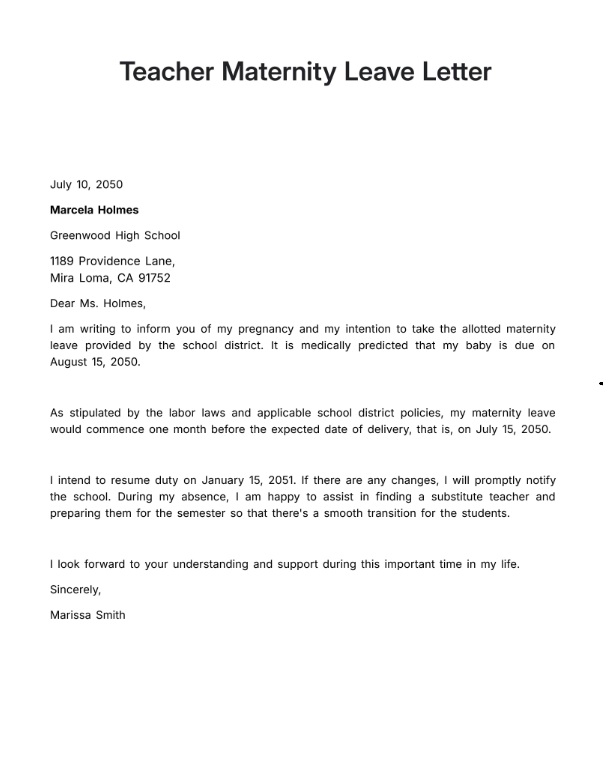
A Sample Teacher Maternity Leave Letter Template
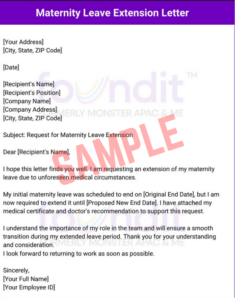
Below is a comprehensive teacher maternity leave letter template designed for educators. Remember to fill in the bracketed information with your specific details. This template ensures you cover all necessary aspects while maintaining a professional tone.
[Your Name]
[Your Address]
[Your City, State, Zip Code]
[Your Phone Number]
[Your Email Address]
[Date]
[Principal’s Name]
[Principal’s Title]
[School Name]
[School Address]
[School City, State, Zip Code]
[Human Resources Department (if applicable)]
[HR Address]
[HR City, State, Zip Code]
**Subject: Maternity Leave Notification – [Your Name]**
Dear Principal [Principal’s Last Name] and Human Resources Department,
Please accept this letter as formal notification of my request for maternity leave. I am expecting the birth of my child around [Estimated Due Date]. I intend to begin my leave of absence on or about [Proposed Start Date of Leave].
I anticipate returning to my teaching duties on approximately [Proposed Return Date]. I understand that this return date may be subject to change based on personal circumstances and medical advice, and I will keep you informed of any adjustments. I plan to utilize a combination of [e.g., FMLA, sick days, short-term disability] for my leave, as per district policy.
I am committed to ensuring a smooth transition for my students and colleagues during my absence. I am available to discuss lesson plans, classroom routines, and any other pertinent information to facilitate the onboarding of my substitute. I can be reached during my leave at [Your Phone Number] or [Your Email Address] for urgent matters.
Thank you for your understanding and support during this special time. I look forward to returning to [School Name] and my students.
Sincerely,
[Your Signature (if hard copy)]
[Your Typed Name]
Beyond the Letter: Preparing for Your Absence
While a strong teacher maternity leave letter template is a fantastic starting point, your preparation shouldn’t end there. Thoughtful planning for your classroom will greatly benefit your students and your substitute teacher. This proactive approach helps maintain educational continuity and minimizes disruptions.
Consider creating a detailed substitute binder that includes class rosters, seating charts, emergency procedures, and crucial contact information. Outlining your curriculum, grading policies, and ongoing projects will empower your substitute to step in with confidence. Preparing your classroom environment for a smooth handover will reduce stress for everyone involved.
Furthermore, communicating with parents about your upcoming leave is a professional courtesy. Inform them about your absence, the name of your substitute if known, and how classroom communication will be managed during your time away. This transparency builds trust and helps maintain a strong home-school connection throughout your leave period.
Final Preparations for a Smooth Maternity Leave
Preparing for maternity leave as a teacher involves more than just drafting a formal letter. It’s about strategic planning that ensures both your personal well-being and the seamless operation of your classroom. A well-executed plan minimizes stress for you, your colleagues, and most importantly, your students. This proactive approach helps foster an environment of stability, even in your absence.
Remember, a carefully prepared teacher maternity leave letter template is your official starting point. However, the comprehensive planning that follows truly sets the stage for a stress-free departure and a confident return. Embrace this opportunity to organize your professional life, allowing you to fully embrace the joyous journey of welcoming a new family member. We encourage you to use the provided template as a foundation and customize it to fit your unique circumstances and school policies. Start your preparations early, engage with your HR department, and ensure all necessary documentation is in order for a truly smooth transition.