Ever feel like you’re constantly battling clutter and dirt, only for your home to revert to its messy state seemingly overnight? You’re not alone! Many of us dream of a perpetually clean and organized living space, but the sheer thought of tackling it all can be overwhelming. The secret to a consistently tidy home isn’t about magical powers or endless hours of scrubbing; it’s about breaking down the big job into smaller, more manageable tasks that become part of your routine. This is where a well-structured cleaning schedule comes into play, transforming chaos into calm.
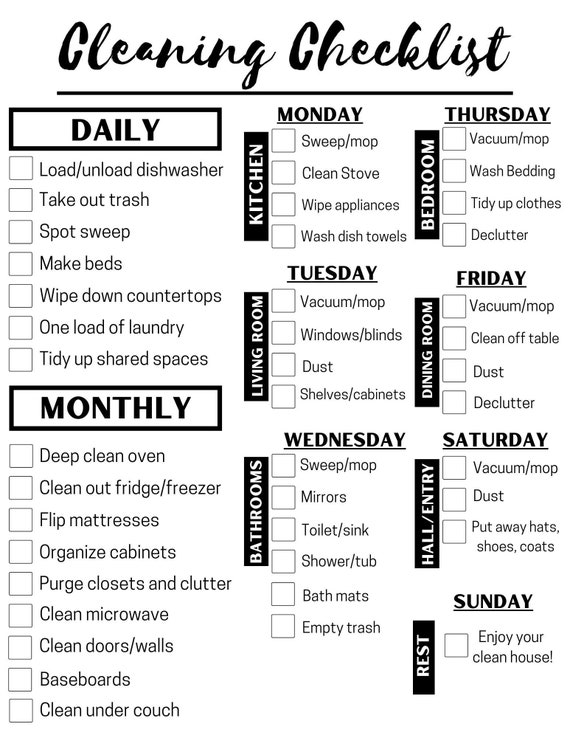
Imagine having a clear roadmap for what needs to be cleaned and when, without having to dedicate an entire weekend to spring cleaning every single month. By adopting a system that incorporates daily tidying, weekly deeper cleans, and monthly maintenance, you can keep your home sparkling without the stress. This approach not only makes cleaning less daunting but also ensures that no area is neglected for too long. Let’s explore how a thoughtfully designed daily weekly and monthly cleaning schedule template can revolutionize your home management.
Creating Your Daily Cleaning Habits
The foundation of a consistently clean home lies in consistent, small daily actions. Think of these as quick tasks that prevent mess from accumulating, making your weekly and monthly deep cleans much lighter. These aren’t meant to be exhaustive cleaning sessions; rather, they’re about maintaining a baseline level of tidiness that keeps your home feeling fresh and inviting. Incorporating these simple habits into your routine can drastically reduce the overwhelming feeling of a messy house and give you a sense of control over your environment.
Many of these daily tasks take mere minutes but yield significant results. For instance, wiping down kitchen counters after every meal prevents food residue from hardening, which makes subsequent cleaning much easier. A quick tidy-up before bed, putting things back in their place, ensures you wake up to a more organized space, setting a positive tone for your day. It’s about being proactive rather than reactive when it comes to household chores, tackling small spills or displaced items as they happen.
Morning Routine for a Tidy Start
Starting your day with a few simple cleaning actions can make a world of difference, setting the stage for a productive and organized day. These aren’t meant to be time-consuming; just a few moments can prevent clutter from taking root.
- Make your bed: A simple act that instantly makes your bedroom look tidier and more inviting.
- Wipe down bathroom counters: After brushing your teeth, a quick wipe removes toothpaste splatters and water marks.
- Quick kitchen tidy: Load the dishwasher or wash a few dishes, and wipe down the sink and stovetop after breakfast.
- Put away any stray items: Before leaving a room, quickly put away anything that’s out of place.
By making these small actions a part of your daily rhythm, you’ll find that your home remains in a much more presentable state without needing extensive effort. The goal is to integrate these tasks seamlessly into your existing routine, turning them into habits that require little thought or extra time. Consistency is key here; even if you miss a day, just pick up where you left off the next, without letting perfection become the enemy of good.
Evening routines are just as important for maintaining cleanliness. Before settling down for the night, take five to ten minutes to do a quick sweep of communal areas. Fluff pillows, fold blankets, put away books or toys, and give the kitchen a final wipe-down. This ensures that you wake up to a relatively clean slate, reducing morning stress and allowing you to start your day feeling refreshed. These mini-clean-ups are the backbone of preventing overwhelming messes.
Embracing Weekly and Monthly Cleaning Tasks
While daily habits keep things ticking over, weekly and monthly tasks are essential for a deeper level of clean and maintenance. These tasks address areas that don’t need daily attention but would quickly become grimy or dysfunctional if ignored for too long. Scheduling these bigger jobs ensures that every corner of your home receives the care it needs, preventing a build-up of dirt and grime that can be much harder to tackle later. Think of these as the deeper dives that refresh your living space.
Your weekly cleaning schedule will typically involve more thorough versions of your daily tasks, plus tackling specific rooms in more detail. This might include vacuuming or mopping all floors, cleaning bathrooms more comprehensively, and dusting surfaces throughout the house. Dedicating a specific block of time each week to these tasks makes them feel less overwhelming and helps you maintain a high standard of cleanliness without feeling constantly behind. It’s about allocating time efficiently rather than trying to fit it in haphazardly.
Monthly tasks are even less frequent but equally crucial for long-term home hygiene and maintenance. These are the jobs that might slip your mind if not explicitly scheduled, such as cleaning baseboards, washing curtains, or deep cleaning appliances. Incorporating these into your daily weekly and monthly cleaning schedule template ensures that these often-overlooked areas get the attention they deserve, extending the life of your home and its contents while contributing to a healthier environment. They are the strategic, less frequent tasks that keep your home truly sparkling.
Here’s a general idea of what weekly and monthly tasks might look like:
- Weekly:
- Clean all bathrooms: toilets, showers, sinks, floors.
- Vacuum or mop all hard floors.
- Dust all surfaces and furniture.
- Clean kitchen counters, stovetop, and sink thoroughly.
- Empty all trash cans.
- Monthly:
- Deep clean kitchen appliances: microwave, oven (as needed), refrigerator.
- Wash bedding and throws.
- Clean baseboards and trim.
- Wipe down light fixtures and ceiling fans.
- Clean windows and mirrors throughout the house.
- Vacuum upholstered furniture.
By breaking down your cleaning into these frequencies, you create a sustainable system that works with you, not against you. No longer will you dread the thought of cleaning your entire house from top to bottom; instead, you’ll have a clear, manageable plan that keeps your home consistently clean and comfortable. This systematic approach reduces stress and frees up your time for more enjoyable activities.
Adopting a structured cleaning routine doesn’t mean you have to become a slave to your house. Instead, it empowers you to maintain a clean and organized living space with minimal fuss and maximum efficiency. By integrating small daily habits, more thorough weekly tasks, and essential monthly deep cleans, you create a harmonious environment that supports your well-being and reduces everyday stressors. It’s about building momentum and making cleanliness a natural part of your life rather than an arduous chore.
Remember, your cleaning schedule should work for you, so feel free to customize any template to fit your unique lifestyle, home size, and personal preferences. The ultimate goal is to find a rhythm that feels sustainable and keeps your home a sanctuary you love to return to. With a little planning and consistent effort, you’ll be amazed at how easily you can maintain a sparkling home, leaving you more time to enjoy the things that truly matter.