Running a modern data center is a bit like being the conductor of a very complex, very high-stakes orchestra. Every component needs to be in tune, every section performing flawlessly, because even a minor misstep can lead to significant disruption. In today’s interconnected world, where data is the lifeblood of nearly every organization, the stakes couldn’t be higher. From financial transactions to critical healthcare records, the information housed within these digital fortresses demands uncompromising protection.
However, the reality is that data centers face a relentless barrage of potential threats. These aren’t just the dramatic cyberattacks you see in movies; they include everything from power outages and natural disasters to human error and equipment failures. The sheer volume and variety of these risks can feel overwhelming, making a structured approach not just helpful, but absolutely essential for maintaining operational continuity and data integrity.
Why a Data Center Risk Assessment Template is Non-Negotiable
Think about all the things that could go wrong in a data center environment. We’re talking about sophisticated cyber threats like ransomware and DDoS attacks, physical security breaches that could compromise sensitive equipment, and even environmental hazards such as flooding or extreme temperatures. Then there are the internal issues: human error during maintenance, software glitches, or hardware malfunctions. Without a methodical way to identify, categorize, and evaluate these potential problems, you’re essentially flying blind, reacting to crises rather than proactively preventing them.
This is precisely where a data center risk assessment template becomes an indispensable tool. It provides a standardized framework, a comprehensive checklist if you will, that guides you through the process of systematically evaluating every nook and cranny of your data center operations. Instead of ad hoc assessments that might miss critical vulnerabilities, a template ensures consistency, thoroughness, and repeatability across all your evaluations, whether you’re assessing a new facility or reviewing an existing one.
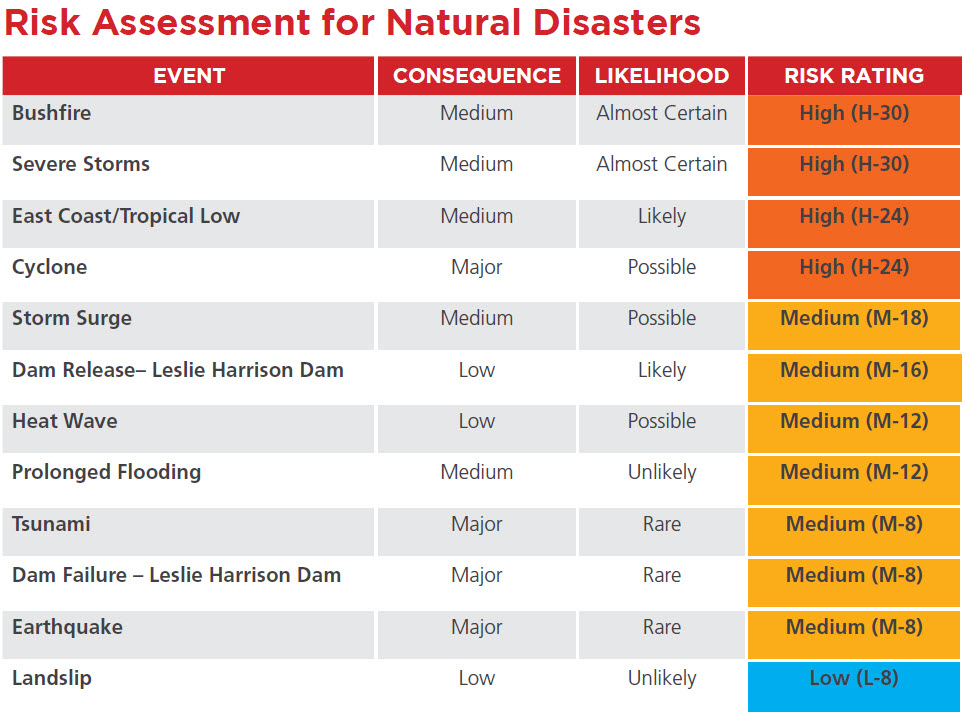
Beyond just identifying potential pitfalls, a robust risk assessment process, facilitated by a template, helps in prioritizing these risks. Not all risks are created equal; some pose a much higher likelihood of occurring and would inflict a far greater impact if they did. By systematically rating risks based on their probability and severity, you can allocate your resources more effectively, focusing your mitigation efforts where they will yield the greatest return on investment and provide the most robust protection.
Moreover, regulatory compliance is a major driver for many organizations. Industry standards like ISO 27001, PCI DSS, and HIPAA all mandate regular risk assessments. Using a well-structured data center risk assessment template helps you demonstrate due diligence, providing clear documentation of your risk management efforts. This not only keeps you in good standing with auditors but also fosters a culture of security and resilience within your organization, transforming security from a reactive burden into a proactive strategic advantage.
Key Areas a Robust Template Should Cover
- Physical Security: Unauthorized access, theft, vandalism, fire suppression systems, environmental controls (HVAC, cooling).
- Environmental Risks: Natural disasters (earthquakes, floods, storms), power outages, utility failures, extreme temperatures.
- Cyber Threats: Malware, ransomware, phishing, denial of service attacks, data breaches, insider threats.
- Operational Failures: Hardware malfunctions, software bugs, network outages, human error, inadequate change management.
- Compliance and Governance: Adherence to industry regulations, data privacy laws, internal policies, audit findings.
- Third-Party Risks: Vendor vulnerabilities, supply chain disruptions, cloud service provider risks.
Building Your Own Data Center Risk Assessment Template
So, you understand the “why” now it’s time to tackle the “how”. Creating an effective data center risk assessment template doesn’t have to be an intimidating task. It’s essentially about breaking down a huge problem into manageable, actionable steps. The goal is to develop a tool that is specific enough to be useful, yet flexible enough to adapt to the unique characteristics of your data center environment. Start by defining the scope of your assessment – are you looking at the entire facility, a specific system, or a particular service? Identifying key stakeholders, from IT managers to security personnel and business leaders, is also crucial, as their input will provide a holistic view of potential risks and their impact.
The core of your template should revolve around identifying assets, threats, vulnerabilities, and then assessing the likelihood and impact of each risk. Assets could be anything from servers and network equipment to critical data and intellectual property. Threats are what could potentially harm those assets, while vulnerabilities are the weaknesses in your defenses that a threat could exploit. Once you have these defined, you can assign scores for likelihood (how probable is it?) and impact (how bad would it be?). This systematic scoring allows you to quantify risks and objectively compare them.
Next, your template should guide you through the process of developing mitigation strategies for identified high-priority risks. This isn’t just about patching software or installing firewalls; it’s about creating comprehensive plans that include preventive measures, detection mechanisms, response protocols, and recovery procedures. For instance, if a power outage is a high-impact, medium-likelihood risk, your mitigation might involve redundant power supplies, backup generators, and a clear emergency shutdown procedure.
Finally, an often-overlooked but absolutely critical component of any risk assessment, and therefore your template, is the ongoing review and update mechanism. The threat landscape is constantly evolving; new vulnerabilities are discovered daily, and your operational environment changes over time. Your data center risk assessment template shouldn’t be a static document tucked away in a folder; it should be a living tool that is regularly reviewed, updated, and re-evaluated to ensure it remains relevant and effective in protecting your critical infrastructure.
- Define the scope of the assessment.
- Identify and categorize all critical data center assets.
- List potential threats (e.g., cyber, physical, environmental).
- Identify vulnerabilities associated with each asset and threat.
- Assess the likelihood of each threat exploiting a vulnerability.
- Evaluate the potential impact if a risk materializes.
- Develop specific mitigation strategies for high-priority risks.
- Assign owners for risk management and mitigation tasks.
- Establish a schedule for regular review and updates of the assessment.
In an era where digital disruptions can quickly escalate into existential threats for businesses, a proactive and structured approach to risk management is no longer a luxury but a fundamental necessity. Implementing a well-defined risk assessment process, underpinned by a comprehensive template, empowers organizations to systematically identify vulnerabilities, understand potential impacts, and deploy effective safeguards.
This commitment to continuous vigilance ensures that your data center remains a resilient fortress for your valuable information. By regularly evaluating and adapting your security posture, you not only protect against current threats but also build a robust foundation that can withstand the challenges of tomorrow’s evolving digital landscape, safeguarding operational continuity and maintaining stakeholder trust.