In today’s interconnected digital world, safeguarding personal data isn’t just a good practice; it’s a fundamental requirement. Organizations of all sizes are increasingly tasked with demonstrating their commitment to privacy and compliance, especially when introducing new projects, systems, or technologies that involve processing personal information. This landscape demands a proactive approach to identifying and mitigating potential risks before they materialize into costly breaches or regulatory penalties.
That’s where a Data Protection Impact Assessment, or DPIA, comes into play. It’s a systematic process for identifying and minimizing the data protection risks of a project. However, the thought of undertaking a comprehensive DPIA can feel daunting. This is precisely why having a robust data protection impact assessment template at your disposal is not just helpful, but often essential for streamlining the process, ensuring consistency, and effectively meeting your obligations.
Understanding the Core of a Data Protection Impact Assessment
A Data Protection Impact Assessment serves as a crucial foresight tool, designed to help organizations systematically analyze, identify, and minimize the data protection risks of a project or new technology. Imagine launching a new customer loyalty program, implementing a cutting-edge analytics platform, or even just updating your internal HR system. Each of these initiatives involves handling personal data, and a DPIA helps you understand the privacy implications before you’re too far down the road. It forces a critical look at how data will be collected, stored, used, and shared.
Legally, frameworks like the General Data Protection Regulation (GDPR) make DPIAs mandatory for processing operations that are “likely to result in a high risk to the rights and freedoms of natural persons.” This means it’s not just a recommendation; for many projects, it’s a legal obligation. Failing to conduct a DPIA when required, or doing so inadequately, can lead to significant fines and reputational damage. It truly underscores the importance of a structured approach to privacy by design.
Without a structured approach, the process of conducting a DPIA can become fragmented, with crucial steps potentially being overlooked. This is where a well-designed template proves invaluable. It acts as a roadmap, guiding you through each necessary stage, from describing the processing operation to evaluating the necessity and proportionality of the data processing, and finally, assessing and mitigating identified risks.
Key Components You’ll Find in an Effective Template
An effective data protection impact assessment template typically includes several key sections to ensure a thorough review:
- Project Description and Context: Detailing the purpose, scope, and nature of the processing.
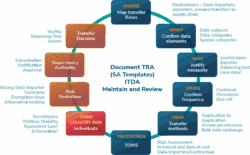
- Data Flow Mapping: Illustrating how personal data will be collected, stored, accessed, and transmitted.
- Identification of Risks: Pinpointing potential threats to individuals’ privacy, such as unauthorized access, data loss, or discriminatory practices.
- Risk Assessment and Evaluation: Analyzing the likelihood and severity of identified risks.
- Proposed Mitigation Measures: Outlining specific steps to reduce or eliminate the identified risks.
- Consultation and Approval: Documenting input from stakeholders, including data protection officers, and obtaining necessary sign-offs.
Each of these components is vital for building a comprehensive picture of your data processing activities and the associated risks. The strength of your DPIA lies in the detail and thoughtfulness applied to each section, ensuring that every angle of potential data protection impact is considered. A good data protection impact assessment template guides you through these steps, ensuring nothing is overlooked and that your organization can confidently demonstrate its commitment to data protection principles.
How to Effectively Utilize Your Data Protection Impact Assessment Template
The journey of effectively utilizing a data protection impact assessment template begins long before you even start filling it out. It starts with understanding that a DPIA is not a one-time compliance hurdle, but rather an ongoing process that should be integrated into your project lifecycle. The ideal time to initiate a DPIA is at the very early stages of any project involving personal data, during the concept and planning phases, rather than as an afterthought. This “privacy by design” approach allows you to bake data protection considerations into the core of your project, making it far more efficient and less costly to implement safeguards.
To get the most out of your template, foster a collaborative environment. A DPIA should not be completed in isolation by a single individual. Instead, it benefits immensely from the input of various stakeholders across your organization. This includes project managers, IT and security teams, legal counsel, marketing professionals, and crucially, your Data Protection Officer (DPO) or privacy specialist. Each department brings a unique perspective and understanding of how data flows and is used, contributing to a more comprehensive and accurate risk assessment.
When working through the template, be as detailed and specific as possible. Avoid vague descriptions or generalizations. For instance, when describing data flows, identify specific systems, vendors, and transfer mechanisms. For risk identification, think beyond technical vulnerabilities and consider operational and organizational risks. What if an employee makes a mistake? What if a third-party vendor experiences a breach? The more granular your analysis, the more robust your mitigation strategies will be. This systematic approach ensures that you’re not just checking boxes but genuinely understanding and addressing potential impacts.
Remember that a DPIA is a living document. It should be reviewed and updated periodically, especially if there are significant changes to the project, data processing activities, or the regulatory landscape. What might be deemed low risk today could become a high risk tomorrow with a shift in technology or policy. Maintaining an up-to-date DPIA demonstrates ongoing accountability and a commitment to data protection, which are key principles in modern privacy regulations. It helps ensure that your organization remains compliant and resilient against evolving threats and requirements.
Implementing a DPIA using a well-structured template empowers your organization to not only comply with regulatory requirements but also to build trust with your customers and stakeholders. It showcases a proactive stance on privacy, minimizing potential harm to individuals and safeguarding your organization’s reputation. This commitment to thorough assessment and continuous improvement transforms data protection from a legal obligation into a strategic advantage, fostering a culture of privacy awareness and responsibility throughout your operations.