In today’s unpredictable world, robust emergency preparedness is not just a best practice; it’s an absolute necessity for any organization. A cornerstone of effective crisis management is having a designated and clearly empowered individual to lead response efforts. This is where an emergency coordinator steps in, serving as the central figure during times of distress, ensuring safety, and coordinating critical actions.
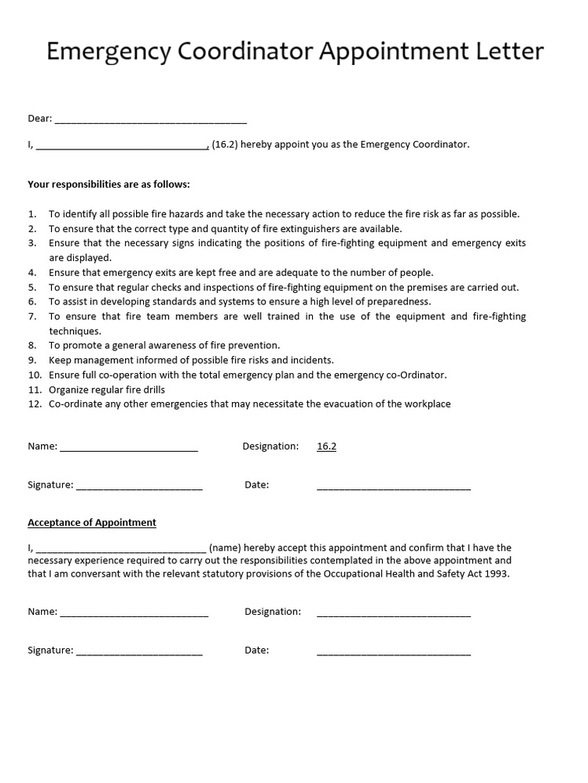
Formalizing this vital role through proper documentation is paramount. An official appointment letter provides clarity, authority, and a clear understanding of responsibilities for both the appointee and the wider organization. It ensures that when a crisis strikes, there is no ambiguity about who is in charge of emergency coordination.
Understanding the critical need for this formal designation, this article will guide you through the significance of such a role and provide insights into utilizing an effective emergency coordinator appointment letter template. By the end, you will understand the essential components of such a letter and how it contributes to overall organizational resilience.
The Vital Role of an Emergency Coordinator in Organizational Readiness
An emergency coordinator acts as the linchpin in an organization’s preparedness and response framework. This individual is responsible for a wide array of duties, all aimed at safeguarding personnel, assets, and operational continuity during unforeseen events. Their presence ensures a structured, calm, and efficient reaction when chaos might otherwise prevail. This formal designation is critical for establishing clear lines of authority and communication during high-stress situations.
Defining the Scope of Emergency Management Responsibilities
The responsibilities of an emergency coordinator are broad and encompass both pre-crisis planning and active response. They are often the first point of contact for emergency services and the primary liaison between management and response teams. Their role extends beyond merely reacting to an incident; it involves proactive measures to mitigate risks and prepare the organization.
These key responsibilities typically include:
- Developing and updating the organization’s emergency response plan.
- Conducting regular risk assessments and identifying potential hazards.
- Coordinating and scheduling emergency drills and training sessions for staff.
- Establishing communication protocols for internal and external stakeholders during an emergency.
- Managing emergency supplies and equipment inventory.
- Liaising with external emergency services, local authorities, and community organizations.
- Documenting incidents and leading post-incident reviews to improve future responses.
Effective execution of these duties ensures that the organization can respond swiftly and effectively, minimizing potential harm and disruption.
Why Formal Appointment is Crucial for Crisis Response
A formal appointment, conveyed through an official document like an emergency coordinator appointment letter template, lends significant weight and authority to the role. It eliminates any ambiguity about the individual’s mandate and ensures that all personnel recognize their leadership during an emergency. Without such formal recognition, an emergency coordinator’s directives might lack the necessary authority, especially in high-pressure situations.
This official notification also provides legal standing and clarity regarding accountability. It outlines the scope of authority, enabling the coordinator to make critical decisions and allocate resources efficiently. Moreover, a formal letter can also serve as a reference for external agencies, affirming the coordinator’s authorized position within the organization’s crisis management structure.
Crafting an Effective Emergency Coordinator Appointment Letter
Creating a well-structured emergency coordinator appointment letter is more than just a formality; it’s a strategic step towards enhancing your organization’s emergency preparedness. A carefully drafted letter provides clarity and sets expectations, empowering the appointee to perform their duties effectively. It ensures that all necessary information is conveyed in a professional and legally sound manner, reflecting the seriousness of the role.
Key Elements of a Comprehensive Appointment Letter
A robust emergency coordinator appointment letter should clearly outline all pertinent details, leaving no room for misunderstanding. It should communicate the purpose of the appointment, the duration of the role, and the expected duties. A clear and concise layout helps ensure that the recipient fully grasps their responsibilities and the importance of their new position.
Here are the essential components typically included:
| Element | Description |
|---|---|
| Official Letterhead | Company name, logo, and contact information. |
| Date | The date the letter is issued. |
| Recipient’s Details | Full name, title, and address of the appointee. |
| Salutation | Formal greeting to the recipient. |
| Appointment Statement | Clearly states the appointment as Emergency Coordinator. |
| Effective Date | When the appointment officially begins. |
| Reporting Structure | To whom the Emergency Coordinator will report. |
| Key Responsibilities | A brief overview of primary duties (or reference to a detailed job description). |
| Term of Appointment | Duration of the role (e.g., ongoing, for a specific project). |
| Authority & Support | Statement on the authority granted and organizational support. |
| Call to Action/Next Steps | What the appointee needs to do next (e.g., sign and return). |
| Closing | Professional closing (e.g., “Sincerely,”). |
| Sender’s Signature & Details | Signature, name, and title of the appointing authority. |
Customizing Your Template for Specific Organizational Needs
While an emergency coordinator appointment letter template provides a strong foundation, customization is key to its effectiveness. Every organization has unique risks, structures, and emergency protocols. Tailoring the template ensures that the letter accurately reflects your specific operational context and legal requirements. This personal touch makes the document more relevant and impactful.
Consider adapting sections to include industry-specific emergency scenarios or particular regulatory compliance points. For instance, a manufacturing plant might emphasize safety protocols for machinery, while a healthcare facility would focus on patient evacuation plans. Clearly reference any existing internal policies, training manuals, or specific emergency plans that the coordinator will be responsible for upholding. This level of detail reinforces the gravity and specialized nature of the role within your organization.
Ensuring Legal Compliance and Clear Communication
Legal compliance is a critical aspect when drafting any official appointment letter. Ensure that the letter aligns with local labor laws, safety regulations, and any industry-specific mandates. Consulting with legal counsel can help verify that the terms and conditions outlined are legally sound and protect both the organization and the appointee.
Beyond legalities, the language used must be clear, unambiguous, and professional. Avoid jargon where possible, or explain it if necessary. The objective is to convey absolute clarity regarding the role, responsibilities, and the authority granted. This clear communication fosters trust and ensures the emergency coordinator can operate confidently and effectively during critical times, contributing significantly to the organization’s resilience.
Establishing a well-defined emergency coordinator role and formalizing it with a comprehensive appointment letter is an indispensable step towards robust organizational preparedness. This official document not only clarifies responsibilities and grants necessary authority but also signals to the entire organization the serious commitment to safety and crisis management. By utilizing a meticulously crafted template, organizations can ensure they are ready to face unforeseen challenges with confidence and a clear chain of command, ultimately protecting their people and assets.
Organizations that invest in creating a clear and legally compliant emergency coordinator appointment letter template empower their emergency leaders and strengthen their overall crisis response capabilities. This proactive approach minimizes confusion during critical moments and allows for swifter, more effective action when it matters most. Take the time to implement this crucial piece of your emergency planning today.