Navigating the health and well-being of your horse can be a complex journey, filled with routine check-ups, unexpected bumps, and vital preventative care. To keep everything organized and ensure your equine companion receives the best possible attention, having a robust system for tracking their history is paramount. This is where an equine medical record template becomes an invaluable tool, simplifying the daunting task of logging every vaccination, deworming, farrier visit, and veterinary intervention, all in one accessible place.
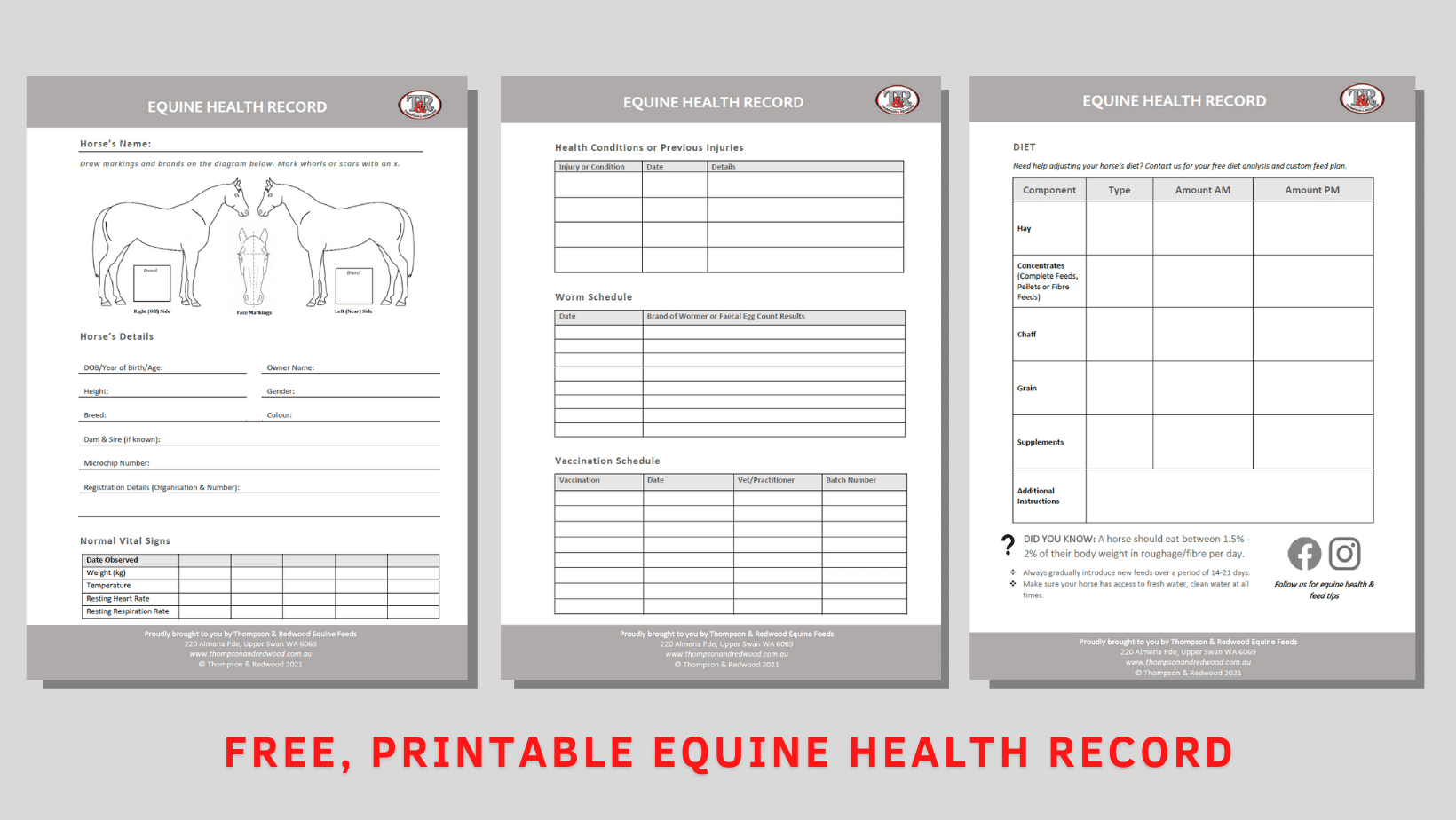
Think of it as your horse’s personal health passport, a comprehensive document that chronicles their entire medical narrative. From the smallest scratch to a significant lameness issue, every piece of information contributes to a complete picture of their health trajectory. Without such a system, crucial details can easily be forgotten, miscommunicated, or even lost entirely, potentially impacting future diagnoses and treatment plans.
Maintaining detailed records isn’t just about good organization; it’s about proactive horse care. It empowers you, your veterinarian, and any other caretakers with the immediate knowledge needed to make informed decisions. Whether you’re a seasoned equestrian, a busy barn manager, or a new horse owner, understanding the benefits and components of a well-structured medical record system is a game-changer for effective animal husbandry.
The Indispensable Role of a Detailed Equine Medical Record
A comprehensive medical record for your horse serves as much more than a simple log; it’s a living document that underpins every aspect of their health management. Imagine trying to recount every past medical event, vaccination date, or medication dosage from memory alone. It’s an impossible feat, and in the high-stakes world of equine health, relying on memory simply isn’t an option. Having everything meticulously documented means you’re always prepared, no matter the situation.
For routine care, a detailed record ensures that no preventative measure is missed. Vaccinations, for example, often follow specific schedules, and knowing exactly when the last tetanus shot was administered is critical. The same applies to deworming protocols, which are frequently tailored to individual horses and regional parasite risks. Without accurate dates and product information, you risk over or under-treating, both of which can have negative consequences.
When your horse falls ill or suffers an injury, immediate access to their medical history becomes even more vital. Your veterinarian can quickly review past conditions, previous treatments, and known allergies, allowing for a faster and more accurate diagnosis. This saves precious time during emergencies and can prevent the prescription of treatments that might conflict with past medications or existing sensitivities. It paints a clear picture of their health patterns, helping to identify recurring issues or subtle changes over time.
Furthermore, detailed records are essential for monitoring chronic conditions. Horses with conditions like laminitis, metabolic syndrome, or recurring respiratory issues require ongoing management. Tracking flare-ups, dietary changes, medication adjustments, and responses to treatment provides invaluable data for long-term health planning. You can see what worked, what didn’t, and adjust care strategies accordingly.
Beyond day-to-day management, these records hold significant legal and financial weight. If you ever need to sell your horse, a complete medical history provides transparency and confidence to potential buyers. In situations involving insurance claims or disputes, well-maintained documentation is often required and can be instrumental in demonstrating due diligence and proper care. It provides undeniable evidence of the horse’s health journey.
Ultimately, a structured record-keeping system, like that provided by an equine medical record template, removes guesswork and replaces it with data-driven insights. It facilitates better communication among all involved parties – you, your vet, your farrier, and any other care providers – ensuring a cohesive and informed approach to your horse’s welfare.
Essential Elements to Include in Your Horse’s Health Records
When setting up your equine medical record, thinking about what information is truly critical for day-to-day management and future reference is key. While templates offer a fantastic starting point, understanding the breadth of data you should be collecting will ensure nothing important is overlooked. It’s about creating a holistic profile that captures both the static identification details and the dynamic health events that unfold over your horse’s lifetime.
Start with the basics: identifying your horse clearly. This includes their full name, breed, age or birth date, sex, color, distinctive markings, and any identification numbers like microchip numbers or brand information. Also, make sure to include your contact information as the owner, along with primary veterinarian and farrier contact details. This foundational data ensures that anyone looking at the record can immediately identify the horse and know who to contact.
From there, you’ll want to track the recurring, preventative care that forms the backbone of equine health. This is an ideal place to incorporate a clear list to ensure consistency and completeness.
- **Vaccination History:** Dates of administration, vaccine type (e.g., Tetanus, EEE, WEE, Flu, Rhino, Rabies, West Nile), and lot numbers if available.
- **Deworming Schedule:** Dates of treatment, product used, dosage, and any fecal test results.
- **Dental Records:** Dates of dental exams, floatings, and any specific findings or procedures.
- **Farrier Schedule:** Dates of trims or shoeings, farrier’s notes on hoof health, and any special shoeing requirements.
- **Weight & Body Condition Scoring:** Regular recordings to monitor overall health and dietary effectiveness.
- **Dietary Notes:** Current feed type, quantity, supplements given, and any dietary restrictions or changes.
- **Injury and Illness Log:** Dates of injury/illness, detailed symptoms, veterinarian’s diagnosis, prescribed treatments, medications given (dosage, frequency), and outcome.
- **Medication Administration Log:** For ongoing or temporary medications, note the date, time, medication name, dosage, and administrator.
- **Coggins Test & Health Certificates:** Dates and results, vital for travel and showing.
- **Reproductive History (if applicable):** Breeding dates, foaling dates, and mare/foal health notes.
Remember, the goal is to create a living document that grows with your horse. Regularly updating these records, perhaps after every vet visit, farrier appointment, or significant event, will keep them accurate and truly useful. While a template provides the structure, your diligent input makes it an indispensable asset for your horse’s ongoing health and well-being.
Adopting a systematic approach to your horse’s health records provides an unparalleled sense of assurance. It transforms scattered pieces of information into a cohesive narrative, offering clarity and peace of mind to everyone involved in your horse’s care. With all crucial details readily available, you’re not just organizing data; you’re actively contributing to a proactive and responsive approach to equine health management, ensuring your companion thrives under the best possible care.
Ultimately, a well-maintained health record empowers you to be a more effective advocate for your horse. It means informed decisions are made based on concrete history, not guesswork. This level of dedication to detail reflects a true commitment to their welfare, fostering a stronger partnership built on understanding and comprehensive care, making every aspect of horse ownership smoother and more rewarding.