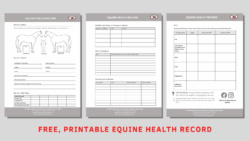
Taking care of a horse is a rewarding experience, but it also comes with significant responsibility. Just like with any cherished family member, keeping track of their health and well-being is paramount. That is where a reliable horse health record template becomes an indispensable tool for every horse owner, helping you stay organized and proactive in your equine companion’s care journey. It’s more than just a piece of paper; it’s a living document that tells your horse’s story and ensures nothing important gets overlooked.

Imagine trying to recall the exact date of your horse’s last tetanus shot, or the specific medication prescribed for a minor ailment six months ago, or even the subtle changes in their gait before a lameness issue arose. Without a systematic way to record this information, you’re relying on memory, which can be fallible, especially when managing multiple horses or busy schedules. Detailed records provide a clear, chronological account of every health event, big or small.
This organized approach not only offers immense peace of mind but also significantly enhances the quality of care your horse receives. It empowers you to make informed decisions alongside your veterinarian, ensuring timely preventative treatments and effective responses to any health challenges that may arise throughout your horse’s life.
Why Keeping Detailed Horse Health Records is Essential
Maintaining comprehensive health records for your horse isn’t just good practice; it’s a fundamental aspect of responsible horse ownership. These records serve as a historical timeline, offering invaluable insights into your horse’s past and guiding decisions for their future health. From routine check-ups to unexpected emergencies, a well-documented history can make all the difference.
Emergency Preparedness and Veterinary Consultation
In an emergency, every second counts. Having your horse’s complete medical history, vaccination dates, known allergies, and current medications readily accessible can literally be a lifesaver. When your veterinarian arrives, they can quickly review vital information, allowing them to make faster, more accurate diagnoses and treatment plans without relying on your potentially stressed memory. This immediate access to facts helps streamline critical care during stressful situations.
Tracking Routine Care and Preventative Medicine
Preventative care is key to long-term equine health. Detailed records ensure you never miss a crucial vaccination booster, a regular deworming dose, or a scheduled farrier visit. You can easily see when the last dental float was performed or when your horse is due for their next check-up. This proactive approach helps prevent many common health issues before they become serious, saving you both worry and potentially significant veterinary bills.
Identifying Patterns and Early Detection of Issues
Horses are masters at hiding discomfort, and subtle changes can often go unnoticed without a baseline for comparison. By regularly noting observations about your horse’s appetite, energy levels, manure consistency, or slight lameness, you can identify patterns or deviations from their normal behavior much more quickly. These documented patterns can be crucial clues for your veterinarian when investigating a potential problem, leading to earlier diagnosis and treatment.
Furthermore, these records become particularly useful when you have multiple horses under your care. Keeping individual records helps differentiate between each horse’s specific needs, ensuring that treatments and routines are tailored correctly. It removes the guesswork and allows for highly personalized care, reflecting your deep commitment to their welfare.
Breeding Considerations and Pre-Purchase Exams
For breeding animals, a detailed health history is indispensable. It provides potential buyers or breeders with a clear picture of the horse’s genetic health, past injuries, and reproductive history. Similarly, if you are considering purchasing a new horse, reviewing their health records is a critical part of the pre-purchase examination, offering transparency and helping you make an informed decision about your investment.
Beyond the immediate health benefits, maintaining thorough records also serves as proof of due diligence in case of any legal or insurance claims. It demonstrates your commitment to proper care and provides verifiable documentation should disputes arise. These records are not just for your horse; they protect you as an owner as well.
What to Include in Your Horse Health Record Template
Creating a comprehensive horse health record template involves systematically logging various aspects of your horse’s life, from their basic identification to intricate medical details. The goal is to capture all relevant information in an organized way, making it easy to reference whenever needed. Think of it as a personalized encyclopedia for your horse’s health.
Start with the basics, ensuring you can quickly identify the horse and retrieve your own contact information, along with your veterinarian’s details. This foundational data is crucial for any emergency or routine communication, providing immediate access to who needs to be called and whose horse is involved.
Beyond identification, the core of your record-keeping lies in the medical and maintenance history. This includes documenting every veterinary visit, every farrier appointment, and every treatment administered. A detailed and consistently updated record paints a complete picture of your horse’s health journey, highlighting trends and ensuring continuity of care.
- Horse Identification Details: Horse’s name, breed, age/DOB, sex, color, distinctive markings, microchip number, UELN (if applicable).
- Owner/Caregiver Information: Your name, contact number, emergency contact.
- Veterinary Contact Information: Primary vet’s name, clinic number, emergency vet number.
- Farrier Contact Information: Farrier’s name, contact number.
- Vaccination History: Date, type of vaccine, brand, lot number, next due date, administering vet.
- Deworming Schedule: Date, product used, dosage, fecal test results, next due date.
- Dental Care: Date of last float, work performed, vet/dentist’s name, next due date.
- Farrier Visits: Date, farrier’s name, type of trim/shoeing, notes on hoof condition or issues.
- Medical History: Dates of illness/injury, symptoms, diagnosis, treatment, medications (name, dosage, duration), recovery notes, vet visit details.
- Medications & Supplements: Ongoing medications, supplements given (name, dosage, reason).
- Diet & Weight Management: Feed type, quantity, changes in diet, notes on body condition score or weight.
- Exercise Routine: Regular activity, changes, notes on performance or soundness.
- Reproductive History (if applicable): Breeding dates, foaling dates, complications.
- Notes/Observations: Any unusual behavior, changes in temperament, environmental factors, or anything else you deem important.
Embracing the habit of meticulously updating your horse’s health records will undoubtedly lead to a deeper understanding of your equine partner. It fosters a proactive approach to their well-being, allowing you to anticipate needs and respond effectively to any health concern. This dedication to detailed record-keeping translates directly into a healthier, happier life for your beloved horse, reinforcing the bond you share.
The commitment to organizing this information creates a robust framework for managing your horse’s health throughout their lifespan. It ensures that every member of your horse care team, from the barn manager to the specialist vet, has access to the most accurate and up-to-date information, facilitating collaborative and highly effective care.