Navigating shared parenting arrangements can often feel like a complex puzzle, especially when trying to ensure stability and predictability for your children. Finding a rhythm that works for everyone involved is crucial, and that’s where a clear, agreed-upon schedule comes into play. It removes guesswork, reduces potential disagreements, and most importantly, provides a sense of routine and security for the little ones.
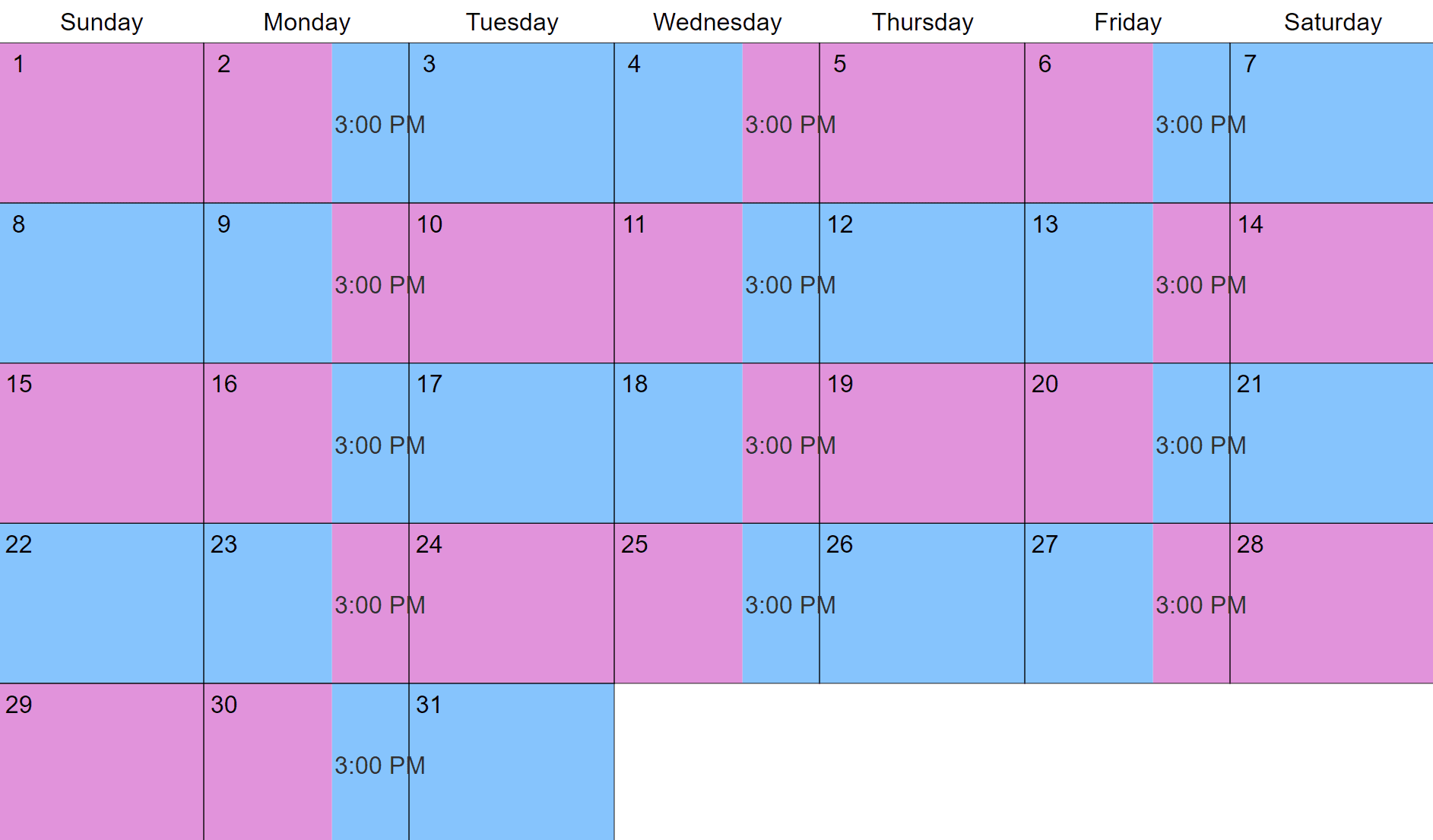
One of the most common and often effective arrangements that many families consider is the every other weekend schedule. This particular setup offers a straightforward approach to co-parenting, allowing both parents significant time with their children while maintaining a consistent pattern. When implemented thoughtfully, it can be a cornerstone of a harmonious post-separation family life.
Understanding the Basics of an Every Other Weekend Schedule
At its core, an every other weekend schedule typically means that one parent has the children for the majority of the time during the week, and the other parent enjoys time with them on alternating weekends. These weekends usually begin on Friday afternoon or evening, right after school, and conclude on Sunday evening or sometimes Monday morning before school. This pattern creates a predictable cycle that is easy for children to understand and anticipate, which is a huge benefit for their emotional well-being.
The beauty of this arrangement lies in its clarity. There’s less confusion about who is responsible for the children on a given day, reducing stress for both parents and kids. It provides a stable home base for the children during the school week, which can be particularly beneficial for their academic and social routines, while still ensuring they have consistent, quality time with their other parent. This balance is key to making shared parenting successful.
Key Components of a Successful Every Other Weekend Arrangement
When you’re looking to establish or refine your co-parenting plan, having a robust every other weekend schedule template can be incredibly helpful. It serves as a blueprint, guiding you through the essential elements that need to be decided upon and documented. Think of it as a living document that outlines the practicalities of your shared parenting journey.
While the basic premise is simple, a good every other weekend schedule template goes beyond just assigning weekends. It incorporates important details that prevent future misunderstandings.
* Clear Start and End Times: Define precisely when the weekend visit begins and ends, including specific pick-up and drop-off times.
* Designated Parent: Explicitly state which parent has the children on which specific alternating weekends.
* Holiday and Special Occasion Clauses: Outline how holidays, birthdays, and school breaks will be handled, as these often require deviations from the standard schedule.
* Communication Protocols: Establish how parents will communicate regarding the children’s needs, appointments, and any schedule changes.
Ultimately, even with a template, the success of any co-parenting schedule hinges on open communication and a willingness to cooperate. A template provides the structure, but your ongoing collaboration breathes life into it, ensuring it truly serves your family’s unique needs.
Tips for Implementing Your Every Other Weekend Schedule Effectively
Putting an every other weekend schedule into practice requires more than just a calendar. It calls for intention, consistency, and a shared commitment from both parents to make it work smoothly for their children. The goal is to create an environment where children feel loved and secure in both homes, understanding their routine without confusion or anxiety. Start by discussing expectations and boundaries with your co-parent, making sure you both fully understand and agree to the specifics of the every other weekend schedule template you’ve chosen or created.
Consistency is truly the secret ingredient here. When pick-up and drop-off times are adhered to, and the schedule is generally followed without frequent last-minute changes, children learn to trust the routine. This predictability helps them transition between homes with greater ease, knowing exactly what to expect. It also builds reliability between parents, fostering a more respectful and cooperative co-parenting relationship over time, which benefits everyone involved.
Of course, life is unpredictable, and there will be times when flexibility is necessary. A well-designed every other weekend schedule template anticipates these moments by having built-in clauses for adjustments or by encouraging open dialogue. It is important for parents to approach these situations with a child-focused mindset, discussing any needed changes calmly and respectfully. Having a clear plan in place for how to handle these exceptions can prevent minor hiccups from escalating into major conflicts.
To make managing your every other weekend schedule even easier, consider leveraging modern tools. Shared digital calendars, co-parenting apps, or even a simple physical calendar prominently displayed in both homes can help everyone stay on track. These tools can serve as a constant visual reminder, minimizing misunderstandings and ensuring that both parents are always aware of the upcoming schedule. A well-managed schedule provides a stable framework that allows children to flourish, knowing that their world, though split, is still firmly in place and well-organized.
Establishing a consistent and predictable schedule is one of the most powerful steps you can take to support your children through shared parenting. It offers them the comfort of routine, minimizes confusion, and allows them to thrive in both homes without unnecessary stress. When children feel secure in their routine, they are better equipped to focus on school, friendships, and simply enjoying their childhood.
By thoughtfully creating and consistently following an every other weekend schedule template, parents can foster a positive co-parenting relationship and provide their children with the stable foundation they need. This commitment to clear communication and mutual respect not only benefits the children in the present but also sets a strong example for how to navigate challenges and maintain healthy relationships in the future.