So, you’ve wrapped principal photography – congratulations! That’s a huge milestone. But as any seasoned filmmaker knows, the journey is far from over. In fact, some might argue the real magic, the shaping of your vision, truly begins in post-production. This phase, often underestimated in its complexity and time commitment, is where raw footage transforms into a polished, compelling story.

Without a clear roadmap, this intricate process can quickly spiral into chaos, causing delays, budget overruns, and immense stress. That’s precisely why having a robust strategy, a solid film post production schedule template, isn’t just a good idea – it’s absolutely essential. It’s your blueprint for bringing all the various creative and technical elements together efficiently, ensuring every frame and sound byte contributes perfectly to your final masterpiece.
Understanding the Phases of Post Production
Navigating post-production is like conducting a symphony, where numerous sections and instruments must play in perfect harmony. Each phase builds upon the last, and understanding these distinct stages is the first step in creating an effective schedule. Rushing one phase or starting another prematurely can lead to costly reworks and significant headaches down the line. A good template accounts for these interdependencies and allocates appropriate time for each.
Picture Editing
This is often the first major step after shooting. It involves assembling the raw footage into a coherent narrative. You’ll move from assembly cuts to rough cuts, then fine cuts, and finally, the picture lock. This stage requires meticulous attention to pacing, storytelling, and performance. Collaborating closely with your director is key here, as their vision for the film’s narrative rhythm comes to life. Don’t forget to factor in time for multiple review cycles and feedback implementation.
Sound Design and Mix
Once the picture is locked, the sound team takes over. This phase encompasses several crucial elements: dialogue editing (cleaning up spoken lines), Foley (creating realistic sound effects like footsteps or rustling clothes), sound effects (adding atmospheric sounds, impacts, etc.), and music scoring. Finally, all these elements are expertly blended during the sound mix, ensuring dialogue is clear, music enhances emotion, and effects immerse the audience without overwhelming the senses. A well-crafted soundscape can elevate a good film to a truly great one.
Color Grading
Color grading is the process of enhancing and correcting the color of your film. This isn’t just about making things look pretty; it’s about setting the mood, creating visual consistency, and guiding the audience’s eye. A professional colorist works to achieve a specific aesthetic, from vibrant and punchy to dark and moody, ensuring the film has a unified visual style that supports the story. This stage often comes towards the end, as it relies on the picture being finalized.
Visual Effects (VFX)
If your film includes any CGI, matte paintings, compositing, or other digital enhancements, the VFX pipeline needs careful scheduling. This can be a highly complex and time-consuming stage, often running concurrently with other post-production tasks. Managing assets, approvals, and iterations with VFX artists is critical to staying on track. Proper planning in your film post production schedule template will prevent bottlenecks and ensure these intricate elements integrate seamlessly.
Final Mastering and Delivery
The final stretch involves preparing your film for its intended distribution platforms. This means creating various master files, ensuring they meet specific technical specifications for cinemas, streaming services, or festivals. Quality control checks are paramount here to catch any last-minute glitches. This is also when all the final elements – picture, sound, and graphics – are brought together for the final, exportable versions of your film.
Crafting Your Own Film Post Production Schedule Template
Now that we’ve explored the individual components, let’s talk about building a practical framework for your project. No two films are exactly alike, so while a template provides a fantastic starting point, customization is paramount. Think of it as a living document that needs to evolve with your project, reflecting its unique demands and unexpected turns. The goal isn’t just to list tasks, but to create a dynamic tool that keeps your team aligned and motivated.
One of the most valuable aspects of any strong schedule is its ability to break down overwhelming tasks into manageable steps. Start by listing every single activity, no matter how small, that needs to happen after principal photography. Then, assign realistic timelines to each. It’s often helpful to work backward from your desired completion or delivery date. Don’t forget to build in buffer time; creative processes rarely run exactly as planned, and unexpected issues will undoubtedly arise.
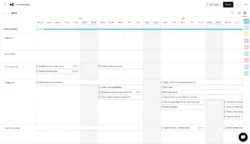
When developing your film post production schedule template, it’s crucial to consider personnel. Who is responsible for each task? Clear ownership prevents confusion and ensures accountability. Think about the dependencies between tasks as well. For example, sound mixing can’t truly begin until dialogue editing is complete, and color grading often waits for the picture lock. Mapping these relationships visually, perhaps with a Gantt chart, can be incredibly insightful.
Here are some key elements to include in your template:
- Detailed Task Breakdown: From logging footage to final export.
- Assigned Personnel: Who is responsible for each specific task.
- Start and End Dates: Realistic timelines for every activity.
- Dependencies: Which tasks rely on the completion of others.
- Buffer Time: Crucial wiggle room for unforeseen delays or creative revisions.
- Review and Approval Milestones: Specific points for director/producer feedback.
- Deliverables: What needs to be produced at the end of each phase.
- Budget Allocation (Optional but Recommended): How much is estimated for each phase.
Regular communication is the bedrock of a successful post-production. Schedule weekly check-ins with your core team to discuss progress, address roadblocks, and adjust the schedule as needed. Being flexible and proactive in adapting your template to real-world conditions will save you immense stress and keep your project moving forward smoothly. Remember, a template is a guide, not an unchangeable decree.
Bringing a film to life through post-production is a monumental effort, a true test of patience, collaboration, and meticulous planning. With a well-structured and adaptable schedule, you transform a potentially daunting sequence of events into a streamlined, efficient workflow. It empowers your team to focus on their creative tasks, knowing that the bigger picture is well-managed.
Ultimately, having a comprehensive plan in place allows you to navigate the complexities of editing, sound, color, and visual effects with confidence. It frees up mental space, letting you concentrate on the artistry and storytelling that will resonate with your audience, ensuring your vision shines brightly on screen.