Ensuring a safe and productive workplace is a top priority for any organization. This often involves navigating complex situations where an employee’s ability to perform their job duties might be called into question due to health concerns, injuries, or other incidents. Without a clear and consistent process, these situations can become challenging, leading to potential risks, misunderstandings, and even legal complications.
That’s where a well-designed framework comes into play. Having a structured approach, often guided by a comprehensive fitness for duty assessment template, helps employers make informed, fair, and legally compliant decisions. It’s about more than just checking boxes; it’s about supporting your employees while safeguarding your operations and the well-being of everyone on your team.
Understanding the Core of Fitness For Duty Assessments
A fitness for duty assessment is essentially a medical evaluation designed to determine if an employee can safely and effectively perform the essential functions of their job role. These assessments are not punitive; rather, they are a critical tool for risk management, ensuring that employees are not placed in situations that could harm themselves or others, particularly in safety-sensitive positions. They might be triggered by a workplace injury, a noticeable change in behavior, a prolonged absence due to illness, or as part of a return-to-work protocol after a medical leave.
The primary purpose of conducting such an assessment is multifaceted. It aims to protect the employee by ensuring they are not working in conditions that exacerbate a health condition, and it protects the employer and other staff by preventing incidents caused by an impaired ability to perform critical tasks. It’s also a vital step in complying with various labor laws and regulations that mandate safe working environments and require employers to consider reasonable accommodations for employees with disabilities.
Consider, for example, a heavy machinery operator who reports experiencing dizziness, or a healthcare worker returning after a serious hand injury. In these scenarios, the stakes are high, and a thorough evaluation is indispensable. The assessment helps determine if any limitations exist and what, if any, modifications or accommodations might be necessary to allow the employee to continue contributing to the team safely.
Key Components of a Robust Fitness For Duty Assessment Template
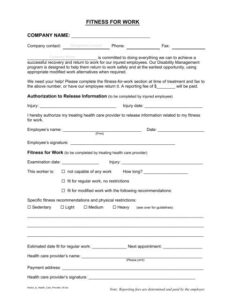
A truly effective fitness for duty assessment template isn’t just a simple form; it’s a comprehensive guide that ensures all necessary information is gathered and considered. It brings clarity and consistency to a process that could otherwise be subjective and prone to error. A well-structured template will guide you through the various stages, from initial referral to final determination.
- Employee Information and Referral Details: This section clearly identifies the employee and the specific reason or incident that prompted the assessment. It details who initiated the referral and why, providing crucial context for the medical professional.
- Job Description and Demands: A thorough outline of the employee’s specific job duties, including physical, mental, and environmental demands. This helps the medical examiner understand the context in which the employee needs to perform.
- Medical Professional’s Findings: The core of the assessment, where the examining physician details their findings regarding the employee’s health status, any functional limitations, and how these might impact their ability to perform job tasks.
- Recommendations for Accommodation or Restrictions: Based on the medical findings, this section suggests any temporary or permanent restrictions, or reasonable accommodations that could enable the employee to perform their duties safely.
- Action Plan and Follow-up: Outlines the next steps, including communication with the employee, implementation of accommodations, and any scheduled re-assessments to monitor progress.
Implementing and Benefiting from a Structured Approach
Adopting a standardized fitness for duty assessment template offers significant advantages for any organization. It transforms what could be an ad-hoc, inconsistent, and legally risky process into a transparent, fair, and defensible system. This consistency not only protects the company from potential litigation but also fosters trust among employees, knowing that their well-being is handled with due diligence and impartiality.
When implementing such a template, it’s crucial to involve key stakeholders, including human resources, legal counsel, and occupational health professionals. Their collective expertise ensures that the template adheres to all relevant legal requirements, such as the Americans with Disabilities Act (ADA) and Family and Medical Leave Act (FMLA), while also being practical for real-world application. Employee communication is also paramount; individuals undergoing assessment should understand the process, its purpose, and their rights.
Many organizations struggle with subjectivity and the potential for perceived bias when evaluating an employee’s fitness for duty. A well-designed template minimizes these risks by ensuring that every assessment follows the same objective criteria, based on medical evidence and job requirements. It provides a clear audit trail and helps to document every step taken, which can be invaluable should questions arise later.
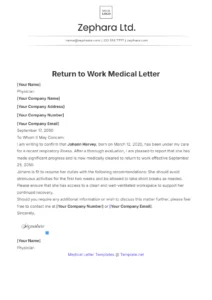
Ultimately, the utilization of a robust fitness for duty assessment template streamlines decision-making, promotes early intervention, and supports the development of effective return-to-work plans. It’s not about finding reasons to remove an employee; it’s about finding solutions that enable them to continue contributing to the workforce in a capacity that is safe for them and for their colleagues. This structured approach underpins a resilient and empathetic workplace culture.
Establishing a clear and consistent process for evaluating an employee’s fitness for duty is a foundational element of responsible workplace management. It’s about creating an environment where safety is paramount, fairness is inherent, and every individual’s capacity to contribute is supported and understood. This proactive approach benefits everyone, from the individual employee to the organization as a whole, fostering a more secure and productive atmosphere.
Investing in a comprehensive framework for these assessments not only mitigates risks but also reinforces a company’s commitment to the well-being of its workforce. By diligently applying a structured process, organizations can confidently navigate complex health-related employment matters, ensuring operational continuity while upholding ethical and legal obligations, thereby building a foundation of trust and reliability.