Navigating the complexities of workplace safety can feel like a daunting task, especially when it comes to something as critical as fire prevention. Ensuring your premises are safe from fire isn’t just a good practice; it’s a legal obligation that protects lives, property, and your business’s continuity. A well-executed fire risk assessment is the cornerstone of any effective fire safety strategy, identifying potential hazards and outlining the necessary steps to mitigate them.
However, many businesses, particularly small and medium-sized enterprises, find themselves overwhelmed by where to start. The process requires a systematic approach to identify, evaluate, and control fire risks. This is where having a clear, structured guide becomes invaluable, helping to demystify the process and ensure all crucial aspects are covered thoroughly and compliantly.
Understanding Your Fire Risk Assessment Responsibilities
A fire risk assessment is fundamentally an organized look at your premises, the activities carried out there, and the likelihood that a fire could start and cause harm to those in and around the building. It’s not just about ticking boxes; it’s about proactively identifying risks and putting measures in place to eliminate or reduce them to an acceptable level. Everyone has a role to play in fire safety, but the ultimate responsibility often falls on the “responsible person” or “duty holder” for the premises, who must ensure a suitable and sufficient assessment is carried out.
This assessment isn’t a one-time event; it’s a dynamic process that needs regular review and updates, especially after any significant changes to the building, its layout, or the activities within it. Ignoring this crucial duty can lead to severe consequences, including fines, imprisonment, and, most importantly, the potential loss of life. That’s why having a robust framework to guide you through each step is essential for both legal compliance and genuine safety.
A comprehensive assessment follows a logical flow to ensure nothing important is overlooked. While the specifics can vary, the core principles remain constant. This systematic approach is designed to provide clarity and ensure that all potential risks are thoroughly evaluated, and appropriate control measures are put in place.
Key Steps in a Fire Risk Assessment
- Identify fire hazards: Look for sources of ignition (heaters, cooking equipment, electrical faults), sources of fuel (paper, wood, flammable liquids), and sources of oxygen (air, oxygen cylinders).
- Identify people at risk: Consider all individuals who might be in the premises, paying special attention to those who may be particularly vulnerable, such as people with disabilities, young children, or visitors unfamiliar with the building.
- Evaluate, remove, or reduce the risk: Assess the likelihood of a fire starting and the potential harm it could cause. Implement measures to eliminate or reduce hazards and protect people.
- Record your findings, prepare an emergency plan, and provide training: Document everything. Create a clear emergency plan, including evacuation routes and assembly points, and ensure everyone knows what to do in case of fire.
- Review and revise: Periodically review your assessment to ensure it remains valid, especially after any changes to the premises or processes, or if there has been a fire incident.
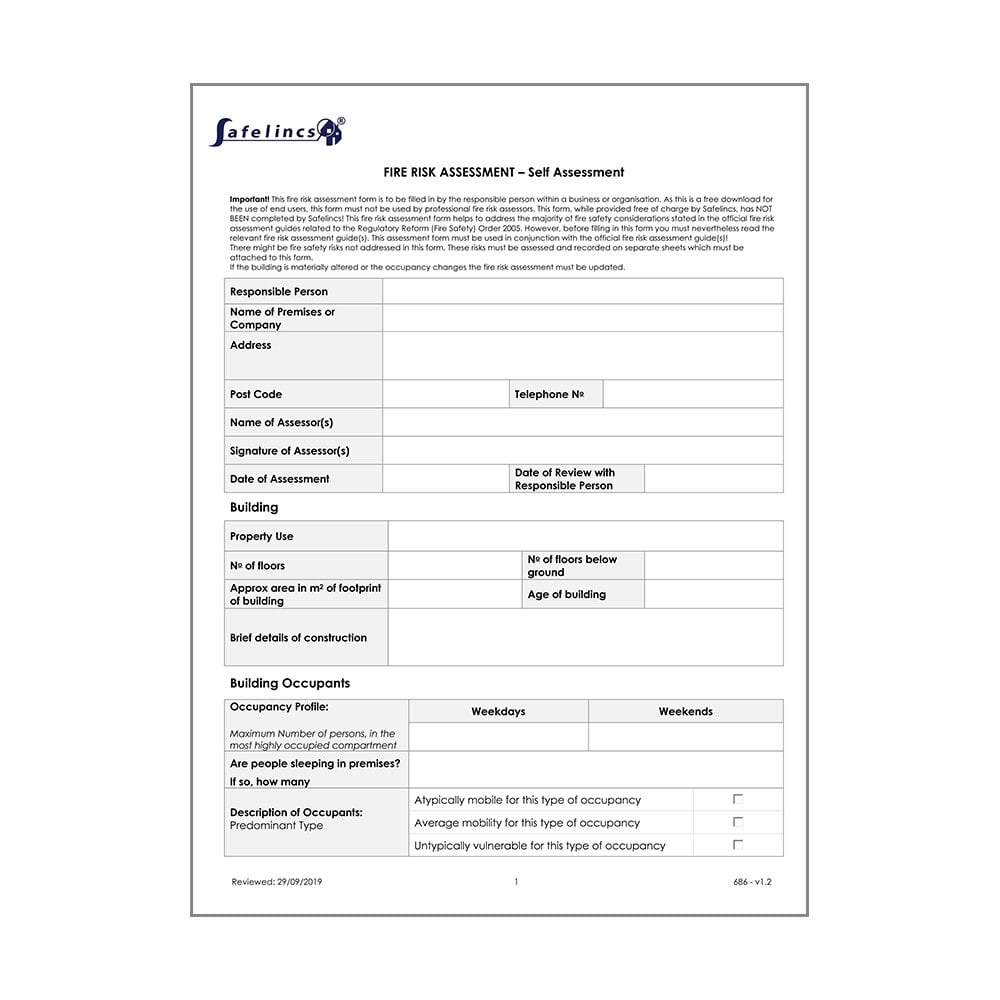
A well-structured health and safety fire risk assessment template can be an invaluable tool throughout this entire process, guiding you through each of these critical steps. It ensures consistency, helps you record your findings accurately, and provides a clear audit trail of your efforts to maintain a safe environment.
Benefits of Using a Structured Fire Risk Assessment Template
Adopting a structured health and safety fire risk assessment template offers numerous advantages beyond simply fulfilling legal requirements. It brings a systematic approach to fire safety, ensuring that all necessary areas are covered, from identifying potential ignition sources to planning effective evacuation routes. This consistency is vital, particularly for organizations with multiple sites or those that undergo frequent changes, as it standardizes the assessment process across the board.
Templates simplify what can often feel like an overwhelming task. Instead of starting from scratch, you have a pre-defined framework that prompts you with relevant questions and categories, ensuring that no critical aspect of fire safety is overlooked. This not only saves considerable time and resources but also helps to build confidence that your assessment is thorough and complete. It acts as a checklist, ensuring compliance with current fire safety legislation and best practices.
Furthermore, a good template facilitates better communication and training within your organization. Once completed, it serves as a clear, concise document that can be easily shared with employees, emergency services, and other stakeholders. This transparency helps everyone understand their roles and responsibilities in the event of a fire, fostering a stronger culture of safety and preparedness. It also simplifies the process of reviewing and updating the assessment, allowing for quick adjustments as circumstances change.
Moreover, using a template aids in creating a comprehensive record of your fire safety measures. This documentation is crucial not only for demonstrating compliance during inspections but also for internal audits and incident investigations. It provides a historical overview of your efforts, highlighting areas of improvement and demonstrating a proactive commitment to safety. A well-maintained template becomes an integral part of your overall risk management strategy.
A robust template will typically include sections for:
- Premises details and responsible person information
- Identification of fire hazards and fuel sources
- Identification of people at risk, including vulnerable persons
- Evaluation of risks and existing fire precautions
- Action plan for improvements and deadlines
- Emergency procedures and evacuation plans
- Fire safety training records
- Testing and maintenance schedules for fire safety equipment
- Review dates and amendments log
By systematically working through these sections, you can build a detailed and effective fire safety strategy tailored to your specific environment.
Implementing a thorough fire safety strategy, anchored by regular and comprehensive risk assessments, is a continuous journey. It safeguards not only the physical assets of an organization but, more importantly, the well-being of every individual who steps foot on the premises. Proactive engagement with fire safety practices fosters an environment where potential hazards are identified and addressed before they can escalate, minimizing risk and maximizing peace of mind.
Ultimately, dedication to maintaining robust fire safety measures reflects a commitment to operational excellence and social responsibility. It ensures that businesses are not only compliant with legal requirements but are also actively contributing to a safer community. Embracing systematic tools and consistent review processes is paramount in achieving and sustaining high standards of fire prevention and emergency preparedness.