Maintaining beautiful grounds is a rewarding task, but it often involves a variety of activities that carry inherent risks. From operating heavy machinery to handling chemicals and working at heights, the potential for accidents and injuries is always present. Ensuring the safety of your team, visitors, and the public isn’t just a matter of good practice; it’s a legal and ethical responsibility that requires a proactive approach.

That’s where a well-structured risk assessment comes into play. It’s not about creating unnecessary paperwork; it’s about systematically identifying potential dangers, evaluating their likelihood and severity, and putting measures in place to mitigate them. By doing so, you create a safer working environment, prevent costly incidents, and demonstrate due diligence. Let’s explore why this is so crucial and how you can effectively implement it.
Why a Grounds Maintenance Risk Assessment is Non-Negotiable
Thinking about a grounds maintenance risk assessment might seem like another item on a long to-do list, but its importance cannot be overstated. Beyond the moral obligation to protect people from harm, there are significant legal, financial, and operational implications for neglecting this vital step. Accidents can lead to serious injuries, lost work time, damage to property, and even fatalities, all of which carry profound human and financial costs.
Consider the diverse nature of grounds maintenance tasks. One day your team might be pruning tall trees, the next they could be operating powerful mowers or applying pesticides. Each task presents its own set of hazards, from slips and trips on uneven terrain to cuts from sharp tools, exposure to harmful substances, or even stress and fatigue from demanding physical labor. A comprehensive risk assessment helps you anticipate these dangers before they become problems.
Furthermore, failing to conduct proper risk assessments can result in legal repercussions. Health and safety regulations in many regions mandate that employers identify risks and implement control measures to protect their employees and anyone else affected by their work. Non-compliance can lead to hefty fines, legal action, and a damaged reputation, making it clear why this foundational element of safety management is absolutely essential.
Ultimately, a robust risk assessment process not only prevents harm but also contributes to a more efficient and productive operation. When your team feels safe and knows that their well-being is a priority, morale improves, and they can focus on their tasks with greater confidence. It’s an investment in your people and the longevity of your business.
Common Hazards in Grounds Maintenance
- Operating machinery (mowers, strimmers, chainsaws)
- Working at height (tree pruning, roof gutter cleaning)
- Manual handling (lifting heavy loads, repetitive tasks)
- Exposure to chemicals (pesticides, herbicides, fertilizers)
- Slips, trips, and falls (uneven ground, wet surfaces, obstacles)
- Electrical hazards (faulty equipment, working near power lines)
- Environmental factors (extreme weather, insects, poisonous plants)
Crafting Your Own Grounds Maintenance Risk Assessment Template
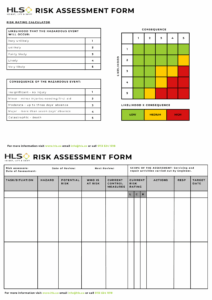
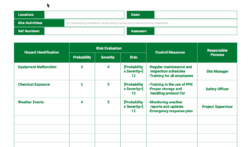
Developing your own grounds maintenance risk assessment template doesn’t have to be a daunting task. It’s essentially a systematic way to think through potential problems and plan solutions. The goal is to create a living document that guides your safety practices, ensures consistency, and can be easily updated as your tasks or environment change. Start by breaking down your operations into individual tasks, then consider what could go wrong at each stage.
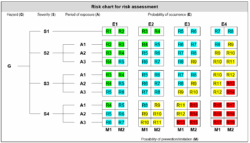
Your template should encourage a proactive approach, rather than a reactive one. Instead of waiting for an incident to occur, you’re identifying potential issues beforehand. This involves not just listing hazards, but also detailing who might be harmed, how likely it is, and what you’re already doing or need to do to reduce that risk to an acceptable level. Remember, some risks can never be entirely eliminated, but they can almost always be controlled.
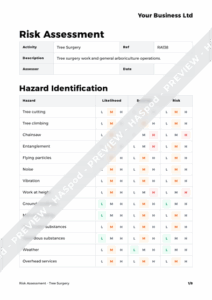
When building your template, think about including sections for different types of work or specific equipment. For example, a section dedicated to “Chainsaw Operation” would list specific hazards like kickback, cuts, or noise exposure, and then detail the necessary controls such as personal protective equipment (PPE), training, and safe operating procedures. A good grounds maintenance risk assessment template is thorough yet easy to understand and implement.
Regular review is also a critical component of any effective risk assessment. Your template should include a section for review dates, ensuring that assessments aren’t just completed once and forgotten. As new equipment is introduced, staff changes occur, or the grounds themselves evolve, your risk assessments need to be updated to remain relevant and effective. This continuous improvement cycle is key to maintaining a high standard of safety.
Here are key elements your template should cover:
- Task/Activity: Clearly define the specific grounds maintenance task being assessed.
- Hazards: Identify what could cause harm (e.g., sharp blades, unstable ladders, toxic chemicals).
- Who Might Be Harmed: Specify employees, visitors, public, etc.
- Existing Controls: List current safety measures already in place.
- Further Controls Needed: Detail additional steps required to reduce risk.
- Risk Level (Before & After Controls): An assessment of likelihood and severity.
- Responsible Person: Assign who is accountable for implementing controls.
- Completion Date & Review Date: Ensure actions are taken and revisited regularly.
Taking the time to develop and implement a comprehensive risk assessment system for your grounds maintenance operations is a foundational step towards a safer, more compliant, and more efficient working environment. It demonstrates your commitment to the well-being of everyone involved and protects your organization from potential liabilities. By systematically addressing potential hazards, you build a culture of safety that benefits everyone.
Embrace this process as an opportunity to enhance your operational standards and empower your team with the knowledge and tools to perform their duties safely. A well-considered approach to risk management not only minimizes the chance of accidents but also fosters a more professional and responsible image for your grounds maintenance services.