Crafting a master schedule for a high school is arguably one of the most intricate puzzles an administrative team faces each year. It is a monumental task that requires balancing student needs, teacher availability, facility constraints, and a myriad of academic requirements. The process often feels like trying to fit irregularly shaped pieces into a constantly shifting jigsaw puzzle, all while aiming for optimal learning environments and operational efficiency.

This complex endeavor can be streamlined significantly, however, with the right foundational tools. Imagine starting with a clear, organized framework instead of a blank page. That is precisely where a well-designed high school master schedule template comes into play, offering a much-needed structure to guide you through the maze of decisions and data points.
The Blueprint for Success: What Goes Into a Master Schedule
Building a high school master schedule is far more than just assigning classes to rooms; it is about orchestrating the entire learning environment for hundreds, if not thousands, of students and staff members. Every decision impacts student access to courses, teacher workloads, and the overall flow of the school day. Without a systematic approach, it is easy for crucial details to be overlooked, leading to conflicts, underutilized resources, or even frustrated students and teachers.
The master schedule serves as the operational backbone of the school. It determines when classes meet, who teaches them, which students attend, and where they take place. This intricate web of assignments must align with district policies, state regulations, and the unique educational philosophy of the school itself. It is a testament to careful planning and foresight, aiming to create an equitable and effective learning landscape for everyone involved.
Key Elements to Consider
- Student Enrollment Data: Understanding student demand for courses and managing class size limits.
- Teacher Availability and Certifications: Matching qualified educators to the necessary subjects and grade levels.
- Course Offerings and Prerequisites: Ensuring students can access the classes they need to graduate and pursue their interests.
- Facility Capacity: Efficiently utilizing classrooms, labs, and specialized spaces.
- School Bell Schedule: Defining the length of periods, passing times, and lunch breaks.
- Special Programs and Individualized Education Programs IEPs: Accommodating the unique needs of all learners.
Each of these elements interacts with the others, creating a dynamic system that requires careful calibration. A change in one area, such as an increase in student enrollment for a particular subject, can ripple through the entire schedule, necessitating adjustments in staffing, room assignments, or even the overall bell schedule. It is a truly iterative process that demands attention to detail and a holistic perspective.
Maximizing Efficiency with a high school master schedule template
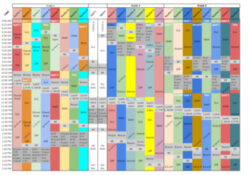
While the sheer scope of master scheduling can feel overwhelming, adopting a structured approach can transform this daunting task into a manageable project. This is where the power of a high school master schedule template truly shines. It provides a pre-organized framework, allowing administrators to focus less on building the structure from scratch and more on populating it with accurate data and making informed strategic decisions.
A template acts as a powerful guide, ensuring that all critical pieces of information are considered from the outset. Instead of wondering what data you need to collect or how to organize it, the template prompts you with predefined fields and sections. This significantly reduces the chances of oversight, which can save countless hours of troubleshooting later in the process. It also fosters consistency across different scheduling iterations or when multiple individuals are collaborating on the project.
Utilizing a template also brings several practical advantages to the table:
- Pre-defined structure: Helps organize thoughts and data systematically.
- Standardized fields: Ensures all necessary information is captured consistently.
- Adaptability: Can be customized for the unique needs and complexities of any school.
- Collaboration: Easier for multiple team members to work on the same scheduling project.
- Error reduction: Promotes a systematic approach, minimizing potential conflicts and omissions.
Whether you opt for a digital spreadsheet, a specialized software solution with built-in templates, or a customizable online document, the core benefit remains the same: a streamlined process. These templates often come with pre-set categories for courses, teachers, rooms, and time slots, providing a logical flow for data entry and manipulation. They are designed to be flexible, allowing schools to adapt them to their specific block schedules, rotating schedules, or traditional seven-period days.
Ultimately, a good high school master schedule template empowers schools to create a highly functional and equitable schedule more efficiently. It frees up valuable time for administrators to analyze data, engage stakeholders, and refine the schedule for optimal student success and staff well-being, rather than spending endless hours on basic organizational tasks. It is about working smarter, not just harder, to build the foundation of a thriving school year.
Implementing an effective master schedule is a cornerstone of a well-functioning school environment. It directly impacts the quality of education students receive and the daily experience of both students and staff. By carefully considering all the variables and utilizing smart tools, schools can create a schedule that truly supports their educational mission.
Embracing structured approaches, like starting with a comprehensive template, transforms a complex annual challenge into a more manageable and successful endeavor. This strategic foresight ensures that every student has the opportunity to thrive academically and every educator can perform their best, setting the stage for a productive and engaging academic year.