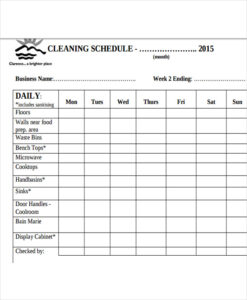
Keeping a home clean and tidy can often feel like a never-ending battle, especially with the hustle and bustle of modern life in the UK. Between work, family commitments, and trying to squeeze in some personal time, the idea of a consistently sparkling home can seem like a distant dream. Without a clear plan, it’s easy for tasks to pile up, leading to weekend marathons of cleaning that zap your energy and enthusiasm.
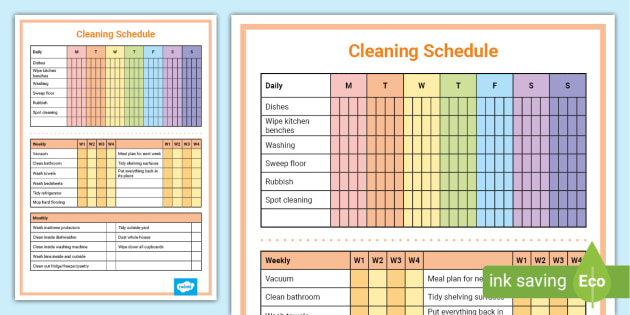
But what if there was a simpler way? Imagine a system that takes the guesswork out of cleaning, breaking it down into manageable chunks that fit seamlessly into your week. That’s precisely what a well-designed house cleaning schedule template can offer – a roadmap to a cleaner, more organised home without the overwhelming feeling of a monumental chore. It’s about working smarter, not harder, to maintain a comfortable living space.
Why a Structured Cleaning Schedule is a Game-Changer
The thought of creating a cleaning schedule might sound like just another thing to add to your already packed to-do list, but in reality, it’s a tool designed to lighten your mental load. We’ve all been there: staring at a messy room, wondering where to even begin, or forgetting that the skirting boards haven’t seen a duster in months. A structured approach eliminates this decision fatigue and ensures that no area of your home gets overlooked for too long.
By having a clear, visual plan, you transform vague intentions into actionable steps. This not only makes cleaning more efficient but also less daunting. Instead of dedicating an entire Saturday to scrubbing every surface, you distribute tasks throughout the week, making them quicker and less disruptive. It builds a sense of routine and accomplishment, contributing to a more serene home environment.
Daily Cleaning Rituals for a Tidy Home
The key to preventing overwhelming build-up is embracing small, consistent efforts. These are the quick wins that keep your home feeling fresh and prevent minor messes from escalating. They take minimal time but make a significant impact on daily tidiness.
- Make your bed: A neatly made bed instantly makes the bedroom feel more organised.
- Wipe down kitchen counters: After meals, a quick wipe prevents food residue from hardening.
- Spot-clean bathroom sink: A quick rinse and wipe after use keeps it sparkling.
- Quick tidy of living areas: Put away stray items, fluff cushions.
- Empty small bins: Prevents odours and keeps waste managed.
Weekly Chores to Keep Things Sparkling
These tasks are the backbone of a consistently clean home. They tackle the areas that require a bit more attention but don’t need daily intervention. Spreading these out over the week or dedicating a specific block of time can be incredibly effective.
- Vacuuming or mopping floors: Tackle high-traffic areas and collect dust and debris.
- Cleaning bathrooms: Toilets, showers, baths, and sinks get a thorough scrub.
- Dusting surfaces: Wipe down furniture, shelves, and electronic screens.
- Cleaning kitchen appliances exteriors: Wipe down the hob, microwave, and fridge doors.
- Mirror and window spot cleaning: Address smudges and streaks in key areas.
These daily and weekly tasks aren’t just about cleanliness; they’re about maintaining a sense of order and calm. When you know what needs to be done and when, the whole process becomes less stressful and more ingrained into your routine, leading to a consistently well-kept home.
Tailoring Your House Cleaning Schedule Template UK to Your Lifestyle
While a generic cleaning schedule template provides an excellent starting point, the real magic happens when you adapt it to fit your unique household, your living space, and your personal commitments. Every home in the UK is different – from a bustling family home with pets to a quiet flat for one – and a one-size-fits-all approach simply won’t cut it for long-term success. Think of the template as a flexible guide, not a rigid rulebook.
Consider the layout and size of your home, how many people live there, whether you have pets, and your general work-life balance. Do you have a spare room that rarely gets used? It won’t need the same attention as your main living area. Are you out of the house for most of the day? Perhaps evening tasks are more practical for you. The goal is to create a routine that feels natural and sustainable, not one that adds another layer of stress.
One effective way to customise is to break down larger tasks into smaller, more manageable chunks. For example, instead of “clean the whole bathroom,” you could have “clean toilet on Monday” and “clean shower on Wednesday.” This approach makes each task seem less daunting and easier to fit into short gaps in your day. Involving all members of the household is also crucial; even young children can help with tidying their rooms or putting away toys, fostering a sense of shared responsibility.
When you’re fine-tuning your house cleaning schedule template UK, don’t forget about those less frequent but still important tasks. These might include washing curtains, cleaning ovens, descaling kettles, or deep-cleaning carpets. While they don’t appear weekly, assigning them a monthly or quarterly slot prevents them from becoming overwhelming. Flexibility is key – if life throws a curveball, don’t be afraid to adjust your schedule for that week and simply pick it up again when you can.
Embracing a tailored cleaning schedule can truly transform your home environment, moving it from a source of stress to a sanctuary of calm. By investing a little time upfront to plan, you’ll gain countless hours back, enjoying a consistently clean home without the need for frantic last-minute tidies. It’s about creating a sustainable system that supports your lifestyle rather than dictating it, leaving you more time for the things that truly matter.