Ever wondered why even the most robust systems sometimes fail, or why accidents happen despite stringent safety protocols? Often, the answer lies in the human element. Our actions, decisions, and even our physiological and psychological states play a massive role in the safety and efficiency of any operation. Understanding these human factors is not just about pointing fingers; it is about building safer, more resilient environments.
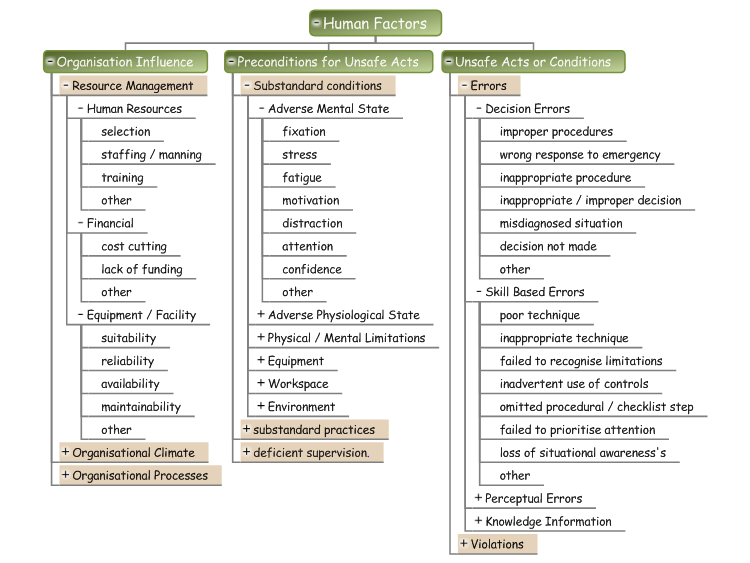
That’s where a structured approach comes in handy. It helps us systematically identify, analyze, and mitigate risks that stem from human interaction with systems, equipment, and other people. Without such an approach, we are often just reacting to incidents rather than proactively preventing them.
Understanding Human Factors in Risk Assessment
Human factors are all about how people interact with their work environment, tools, and processes. It encompasses a vast array of considerations, from the design of user interfaces and the clarity of procedures to an individual’s physical capabilities, cognitive load, and even their emotional state. When these elements aren’t aligned or are poorly managed, they can introduce significant risks, leading to errors, near misses, or even catastrophic accidents.
Think about a pilot in a cockpit, a surgeon in an operating room, or an engineer managing a complex industrial plant. Their performance is influenced by countless factors beyond just their technical skill. Fatigue from long shifts, stress from high-pressure situations, distractions from the environment, and even poorly designed controls can all contribute to a lapse in judgment or an incorrect action. Recognizing these influences is the first step towards creating a safer system.
A thorough human factors risk assessment goes beyond simply asking “who made the mistake?” and instead delves into “why did the mistake happen?” It looks at the wider context, including organizational culture, training effectiveness, communication breakdowns, and the physical and psychological demands placed on individuals. This holistic view is crucial because human errors are rarely isolated incidents; they are often symptoms of deeper systemic issues.
By examining these underlying conditions, we can implement more effective and sustainable solutions. It is about designing systems that are error-tolerant, providing adequate support and training, and fostering a culture where safety is genuinely prioritized and continuously improved. Without this understanding, any risk assessment will be incomplete, leaving critical vulnerabilities unaddressed.
Key Human Factors Categories to Consider
Building Your Human Factors Risk Assessment Templat
Creating a practical human factors risk assessment templat is essential for any organization serious about proactive safety management. This isn’t just a theoretical exercise; it is a vital tool that helps standardize the process of identifying human-related risks, ensuring consistency across different projects, departments, or even sites. A well-designed templat guides users through the necessary steps, prompts them to consider key areas, and facilitates the documentation of findings and proposed actions.
Your templat should be user-friendly and comprehensive, allowing for both qualitative and quantitative assessments where appropriate. It needs to be adaptable enough to suit various contexts while maintaining a core structure that ensures all critical human factors are considered. Think of it as a roadmap for systematically uncovering those often-hidden risks that traditional assessments might overlook.
When you develop your own human factors risk assessment templat, start by outlining the specific phases of an operation or task. For each phase, consider the human roles involved, the interactions they have with technology and other people, and the environmental conditions. This granular approach helps pinpoint exact moments where human performance could be compromised or where an error might occur.
The real value of a robust human factors risk assessment templat comes from its ability to drive meaningful change. It should not just be a static document but a living tool that informs design improvements, training programs, and procedural updates. By consistently using and refining your templat, you build an institutional memory of identified risks and the effectiveness of mitigation strategies, leading to continuous improvement in safety and operational efficiency.
Essential Components for Your Templat
Embracing a human factors perspective is a fundamental shift in how we approach safety and operational excellence. It acknowledges that people are not just sources of error but also critical assets, whose capabilities and limitations must be understood and respected within any system design. By doing so, we move beyond blame and towards creating truly resilient and safe working environments.
Ultimately, investing time and effort into this systematic approach empowers organizations to not only prevent accidents but also to optimize performance and foster a culture of continuous improvement. It is a proactive step towards building a future where human ingenuity and safety go hand in hand, ensuring that operations are not just efficient, but inherently safer for everyone involved.