Navigating the unique and diverse needs of students in a special education classroom can often feel like a complex puzzle. Each student arrives with their own set of strengths, challenges, and individualized education program (IEP) goals, making the task of creating an organized and effective learning environment both crucial and demanding. Without a clear structure, days can quickly become chaotic, impacting not only student learning and behavior but also teacher efficacy and well-being.
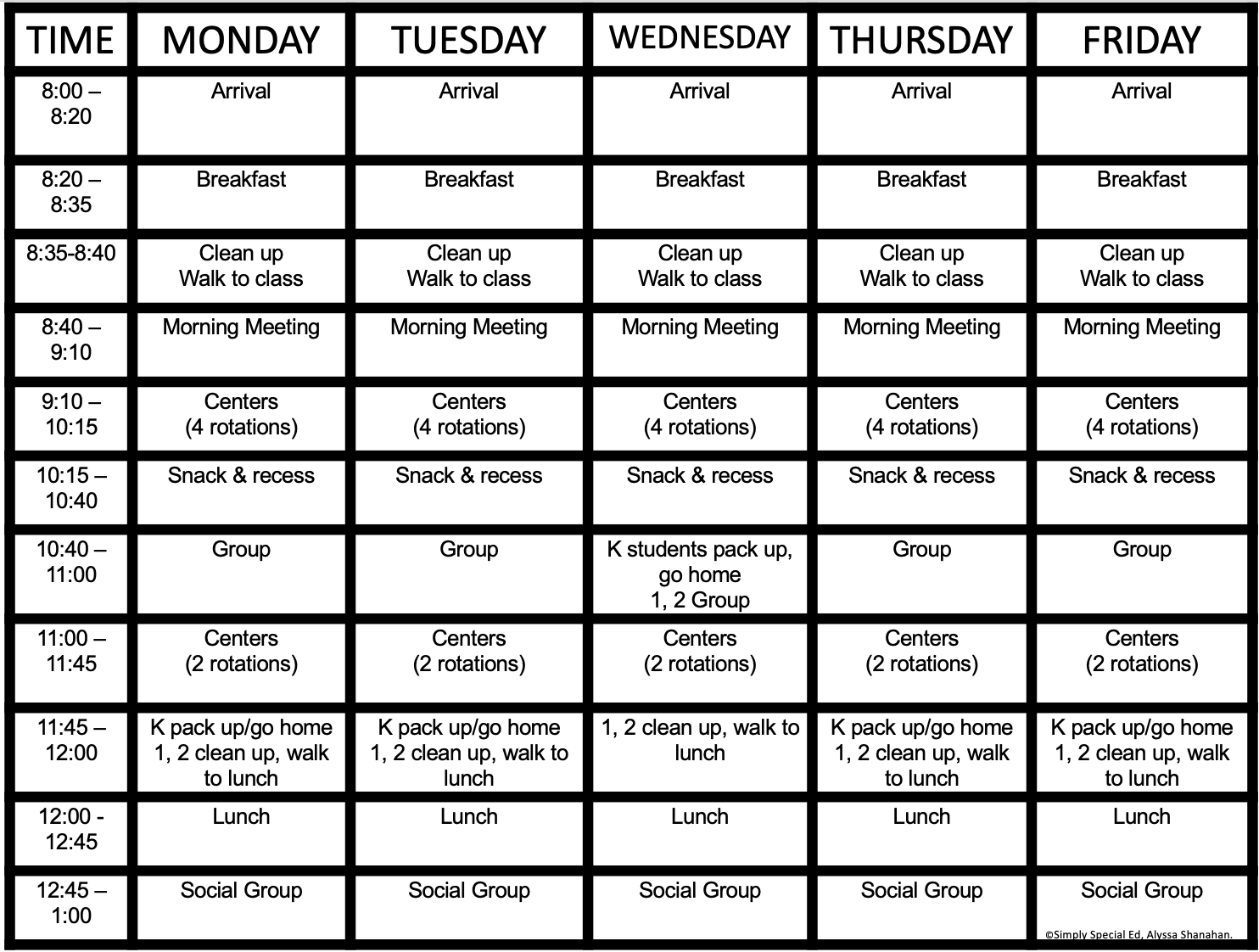
This is precisely where the power of a well-designed special education classroom schedule template comes into play. It acts as the backbone of your classroom, providing predictability, consistency, and a visual roadmap for both students and staff. Far more than just a simple timetable, a thoughtfully constructed schedule is a foundational tool that can transform a busy environment into a harmonious, productive, and supportive space where every student has the opportunity to thrive.
Why a Tailored Schedule is a Game-Changer for Special Education Classrooms
For many students in special education, predictability and routine are not just beneficial; they are absolutely essential. A consistent schedule helps to reduce anxiety, provides a sense of security, and allows students to anticipate what comes next, thereby promoting greater independence and participation. When students know what to expect, they can better regulate their emotions and focus their energy on learning rather than on navigating uncertainty.
Beyond just routine, a tailored schedule is instrumental in ensuring that individualized education program (IEP) goals are consistently addressed. It provides dedicated blocks of time for academic instruction, therapies such as speech or occupational therapy, social-emotional learning, and life skills development. This intentional allocation of time means that no critical area is overlooked, and students receive the targeted support they need to make meaningful progress toward their personal objectives.
From a classroom management perspective, a robust schedule can significantly improve the flow of the day. Transitions, which can often be challenging for students with special needs, become smoother when they are clearly defined within the schedule. A visual representation of the day helps students understand changes in activities, reducing unexpected behaviors and allowing educators to anticipate and proactively address potential stressors. It creates a rhythm for the classroom that minimizes disruptions.
Furthermore, a well-thought-out schedule empowers teachers and support staff. It streamlines planning, ensures that all curriculum areas and mandated services are covered, and helps coordinate efforts among multiple professionals working with the same students. This reduces teacher stress, enhances collaboration, and ultimately allows educators to be more present and effective in their interactions with students, knowing that the day’s structure is firmly in place.
Key Elements to Consider When Building Your Template
- Student Needs and IEPs: Always start with the unique requirements and goals of each student to ensure the schedule is truly individualized.
- Transition Times: Plan ample time for transitions between activities, allowing for movement, preparation, and winding down.
- Visual Supports: Incorporate visual schedules, first-then boards, or choice boards to enhance understanding and independence for students.
- Flexibility and Contingency: Build in some flexibility for unexpected events or spontaneous learning opportunities, and have backup plans.
- Collaboration with Support Staff: Coordinate with therapists, paraprofessionals, and other specialists to integrate their services seamlessly into the daily flow.
Crafting Your Ideal Special Education Classroom Schedule Template: Practical Steps
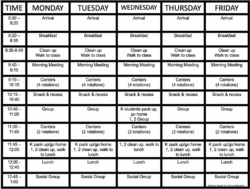
When you set out to create your special education classroom schedule template, begin by mapping out the entire school day, considering fixed points like lunch, recess, and school-wide events. Understand the non-negotiables first, then start to layer in the specific needs of your classroom. It is important to think about the overall energy curve of your students – when are they most alert for academic tasks, and when might they benefit from more active or sensory-based activities?
Next, break down the day into manageable, purposeful blocks. Instead of thinking of individual subjects, consider activity types. For example, you might have a “Morning Meeting” block, followed by “Academic Rotations,” then “Life Skills Practice,” and so on. Grouping similar activities helps maintain focus and reduces the number of transitions, which is often beneficial for students who require consistency. Varying the pace and type of activity throughout the day also helps prevent fatigue and maintains engagement.
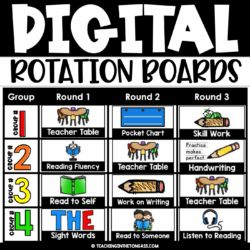
Integrating individualized support seamlessly is one of the most significant challenges, and triumphs, of a well-designed schedule. This is where a robust special education classroom schedule template truly shines. Plan specific times for one-on-one instruction, small group work, or pull-out services by therapists. Consider how these supports can be delivered with minimal disruption to other students, perhaps by rotating students through different centers or having support staff provide services within the classroom environment during specific blocks.
Finally, think about the visual presentation and daily communication of the schedule. How will the schedule be displayed for students? For many students in special education, a visual schedule with pictures, words, or even objects is critical for comprehension and independence. Review the schedule at the beginning of each day, or before major transitions, to help students mentally prepare. Regularly communicate the schedule to all staff members involved so everyone is aware of the day’s plan and can support its implementation consistently.
The careful construction of a daily schedule lays a robust foundation for learning, behavior, and overall well-being in a special education classroom. It fosters a predictable and supportive environment where students can feel safe, understand expectations, and fully engage in their educational journey. This structure provides the necessary scaffolding for students to build essential skills and grow with confidence.
Embracing the process of creating and refining your classroom schedule is an investment in your students’ success and your own effectiveness as an educator. Remember that an effective special education classroom schedule template is a living document, one that should be reviewed, adjusted, and adapted as your students’ needs evolve and as you discover what works best for your unique learning community.