Ever embarked on a learning project, only to find halfway through that it wasn’t quite hitting the mark? Perhaps the content felt irrelevant, or the learners weren’t as engaged as you’d hoped. It’s a common scenario, and often, the root cause lies in skipping or rushing a crucial initial step: the needs assessment. This foundational process is where we truly understand what problem we’re trying to solve before we even think about solutions.

A thorough needs assessment is the compass that guides the entire instructional design journey, ensuring that every resource, every activity, and every piece of content is purposefully aligned with genuine learner and organizational needs. Without it, you’re essentially building a house without a blueprint. That’s why having a robust instructional design needs assessment template isn’t just a good idea; it’s an essential tool for creating impactful and effective learning experiences that truly make a difference.
Understanding the Core of Instructional Design Needs Assessment
At its heart, an instructional design needs assessment is about identifying the gap between what is currently happening and what ought to be happening. It’s not just about asking people what training they want; it’s a systematic inquiry into performance issues, skill deficits, knowledge gaps, and the environmental factors that might be contributing to them. We delve deep to uncover the true underlying causes of performance problems, rather than just treating the symptoms. This deep dive prevents us from developing expensive, time-consuming solutions that ultimately fail to address the real challenges.
Think of it this way: if a company’s sales are down, simply offering a “sales training” course might not be the answer. A needs assessment could reveal that the issue isn’t a lack of sales skills, but rather an outdated product, poor lead generation, or even a problematic compensation structure. Without this assessment, valuable resources would be poured into the wrong solution. It’s about ensuring relevance and maximizing the return on investment for any learning intervention.
To conduct a truly effective assessment, we need to gather a diverse array of information. This isn’t a one-size-fits-all approach; different situations call for different data points.
Types of Data to Gather
- Performance Data: What are people currently doing or not doing? What are the measurable outputs?
- Knowledge Data: What do people know or not know that is critical for their role?
- Skill Data: What can people do or not do effectively? Are there specific tasks they struggle with?
- Attitude Data: How do people feel about their work, the proposed changes, or the learning process itself? Their motivation and buy-in are crucial.
- Contextual Data: What are the environmental factors? This includes available resources, technology, organizational culture, and any constraints like budget or time.
Once all this data is collected, it’s not just a pile of information. The true art lies in analyzing it to pinpoint the specific root causes of the performance gap. This analysis directly informs the learning objectives and the overall instructional strategy, ensuring that whatever solution is designed, it directly addresses the identified needs in a meaningful and measurable way. It’s the difference between guessing and truly knowing.
Crafting Your Own Instructional Design Needs Assessment Template
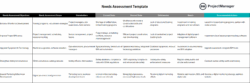
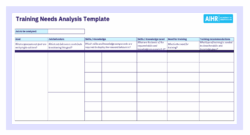
While every project is unique, having a structured instructional design needs assessment template provides an invaluable framework. It ensures you don’t overlook critical areas, helps standardize your approach, and acts as a consistent guide across different projects or team members. Think of it less as a rigid form to fill out and more as a detailed checklist and prompt system that keeps your inquiry comprehensive and focused. It’s a living document that evolves with your understanding of the situation.
A robust template will typically guide you through several key sections, each designed to systematically uncover different facets of the learning problem and its potential solutions.
- Project Overview: Clearly define the initial problem statement, project scope, key stakeholders, and the overall business goal.
- Target Audience Analysis: Go beyond demographics. Who are the learners? What are their current skills, prior knowledge, learning preferences, and motivations?
- Performance Gap Analysis: Document the current state versus the desired state, quantifying the gap where possible, and exploring the potential root causes.
- Learning Objectives: Based on your analysis, what specific, measurable, achievable, relevant, and time-bound outcomes do you aim for?
- Data Collection Methods: Detail how you plan to gather information – through surveys, interviews, observations, focus groups, or reviewing existing performance data.
- Resources and Constraints: Outline available budget, time, technology, personnel, and any organizational limitations that might impact the design or delivery.
- Recommendations: Propose potential instructional solutions or other interventions based on your findings, complete with a rationale for each.
Using this template isn’t just about ticking boxes; it’s about fostering a systematic and iterative process. You might fill out parts of it, conduct initial data gathering, and then revisit and refine other sections as new insights emerge. It facilitates clear communication with stakeholders, ensuring everyone is on the same page regarding the problem and the proposed solutions. This collaborative approach builds buy-in and helps align expectations from the outset.
The benefits of utilizing a well-designed instructional design needs assessment template are manifold. It significantly reduces the risk of creating ineffective training, saves time and resources by focusing efforts correctly, and provides a clear audit trail of the decision-making process. By formalizing this critical first step, you lay a solid foundation for developing learning solutions that are not only engaging but also genuinely solve real-world problems and drive measurable improvements for individuals and organizations alike.
Embarking on any learning initiative without first conducting a thorough needs assessment is like setting sail without a map – you might eventually reach a destination, but it’s unlikely to be the one you truly intended or the most efficient path. The insights gained from this critical preliminary phase are what transform generic content into powerful, targeted learning experiences.
By meticulously understanding the true needs, challenges, and context of your learners and organization, you equip yourself with the knowledge to craft solutions that resonate, engage, and ultimately deliver tangible results. A well-executed needs assessment isn’t just a step in the process; it’s the strategic cornerstone of all successful instructional design.