Embarking on a journey of mental health support often begins with a crucial first step: the intake assessment. This initial conversation is more than just a formality; it is the cornerstone upon which a compassionate and effective treatment plan is built. For both the client and the practitioner, it sets the stage, gathering vital information while also beginning to establish a trusting therapeutic relationship.

Understanding how to structure this initial interaction effectively is paramount. A well-designed intake mental health assessment template serves as an invaluable guide, ensuring that all necessary areas are covered systematically without making the process feel rigid or impersonal. It helps mental health professionals gather comprehensive data efficiently, allowing them to gain a holistic understanding of a clients needs, history, and present circumstances.
The Core Components of an Effective Intake Mental Health Assessment Template
When creating or choosing an intake mental health assessment template, think about it as a comprehensive roadmap for understanding a person in their entirety. It is designed to go beyond surface-level symptoms, delving into the various facets of a clients life that contribute to their current mental health picture. From administrative details to the most intimate personal histories, each section plays a vital role in piecing together the puzzle.
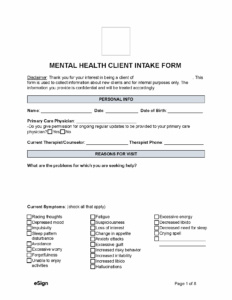
Initially, the template will cover basic demographic information such as name, contact details, date of birth, and preferred pronouns. While seemingly straightforward, this administrative data is crucial for record-keeping, communication, and understanding the clients identity. Following this, the focus shifts to the heart of the matter: the clients presenting problems or chief complaint. This section allows the client to articulate in their own words what brings them to therapy, their primary concerns, and what they hope to achieve.
Key Information Areas to Cover
The most effective templates are structured to progressively uncover layers of a clients experience. This systematic approach ensures no critical areas are overlooked, laying a robust foundation for diagnosis and treatment planning. Imagine having all the puzzle pieces before you start putting them together.
- Demographic Information
- Presenting Problems and Chief Complaint
- History of Present Illness
- Past Psychiatric History
- Substance Use History
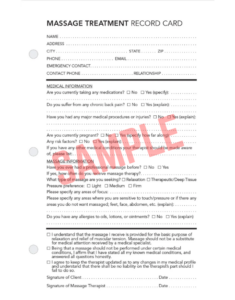
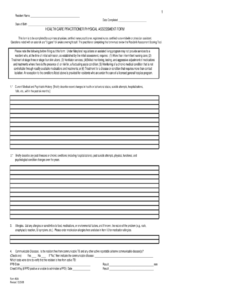
- Medical History and Medications
- Social and Developmental History
- Family Psychiatric History
- Risk Assessment Suicide, Homicide, Self Harm
- Current Functioning and Strengths
Beyond the immediate concerns, a good intake mental health assessment template will explore the history of the present illness, tracing its onset, duration, and any previous attempts at coping or treatment. This naturally leads into a review of past psychiatric history, including any prior diagnoses, hospitalizations, or medications, offering valuable insights into patterns and responses to treatment. Its also crucial to understand substance use history, as this can significantly impact mental health and treatment outcomes.
Furthermore, medical history and current medications are essential to identify any physiological factors that might influence mental health symptoms or interact with psychiatric treatments. Social and developmental history provides context for the clients upbringing, relationships, education, and career, shedding light on potential stressors or protective factors. Family psychiatric history helps identify genetic predispositions or environmental influences. Finally, a thorough risk assessment for suicide, homicide, or self-harm is non-negotiable for client safety, followed by an exploration of current functioning and the clients inherent strengths and resources.
Best Practices for Utilizing Your Intake Mental Health Assessment Template
Having a comprehensive intake mental health assessment template is undoubtedly a powerful tool, but its true value lies in how it is utilized during the actual client interaction. It is not merely a checklist to be mechanically completed; rather, it is a framework that guides a meaningful conversation, helping you connect with the client while gathering essential information. The art of using a template lies in balancing structure with genuine human connection.
One of the most important best practices is to approach the assessment with empathy and a client-centered perspective. While the template ensures you cover all necessary areas, remember that the client is a person sharing their vulnerability. Prioritize building rapport and creating a safe space where they feel comfortable opening up. This means actively listening, validating their experiences, and allowing for moments of silence when needed. The template serves as your compass, but the client is the one charting the course of the conversation.
It is also beneficial to remain flexible. A template provides a suggested order for questions, but sometimes a clients narrative will naturally diverge. Be prepared to follow their lead and return to the template items later if necessary. For instance, if a client begins to discuss a traumatic event while you are still on medical history, it is often more therapeutic to acknowledge and explore that emergent topic before gently guiding them back to other template sections.
Documentation throughout the intake process should be thorough and objective. Record key details, direct quotes when appropriate, and your observations. This meticulous documentation not only aids in accurate diagnosis and treatment planning but also serves as a valuable record for future reference and for communicating with other healthcare providers if needed. Remember, the notes you take during this initial assessment will form the foundation of the clients clinical file.
Finally, think about the intake mental health assessment template as a living document. As you gain more experience and your practice evolves, periodically review and update your template. Are there new areas you wish to explore? Are certain questions no longer relevant or could they be phrased more effectively? A template that adapts to your growing understanding and to best practices will continue to be an invaluable asset in providing high-quality care.
The initial intake process, guided by a thoughtful template, is much more than data collection; it is the beginning of a therapeutic alliance. It systematically gathers the information needed to formulate an accurate understanding of a clients challenges and strengths. This organized approach ensures that treatment plans are tailored, evidence-based, and most importantly, truly responsive to the individuals unique circumstances.
Ultimately, a well-executed intake assessment provides clarity and direction for both the client and the clinician. It empowers mental health professionals to make informed decisions, fostering a path towards healing and growth. For the client, it marks the first confident step on their journey to improved well-being, knowing they have been heard and understood from the very beginning.